












News
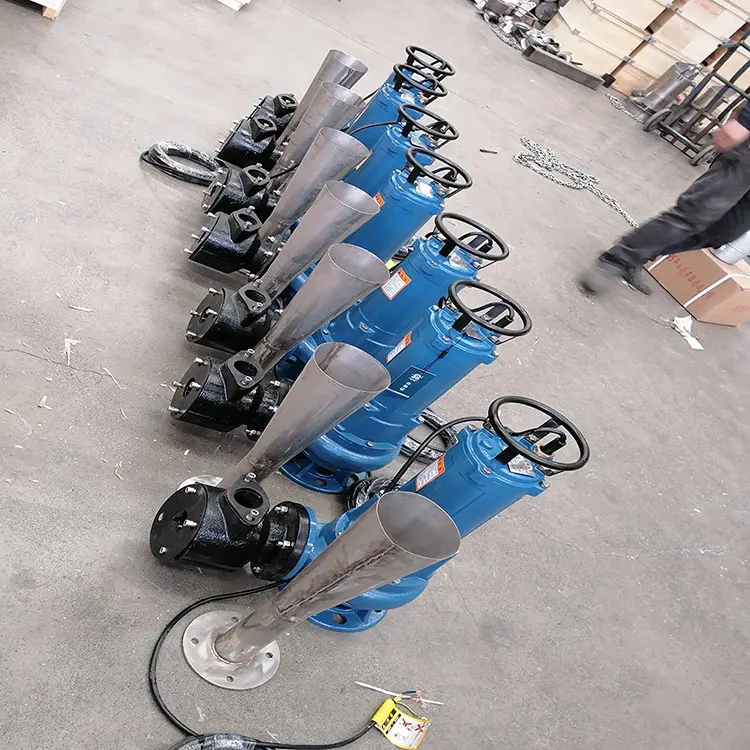
How to Calculate Oxygen Demand for Wastewater Aeration? A Practical Engineering Guide
2026-09-20
In biological wastewater treatment, aeration is both the most critical operational process and the largest consumer of energy, often accounting for 50% to 70% of a plant’s total electricity usage.
Accurately calculating biological oxygen deman...
view
detail
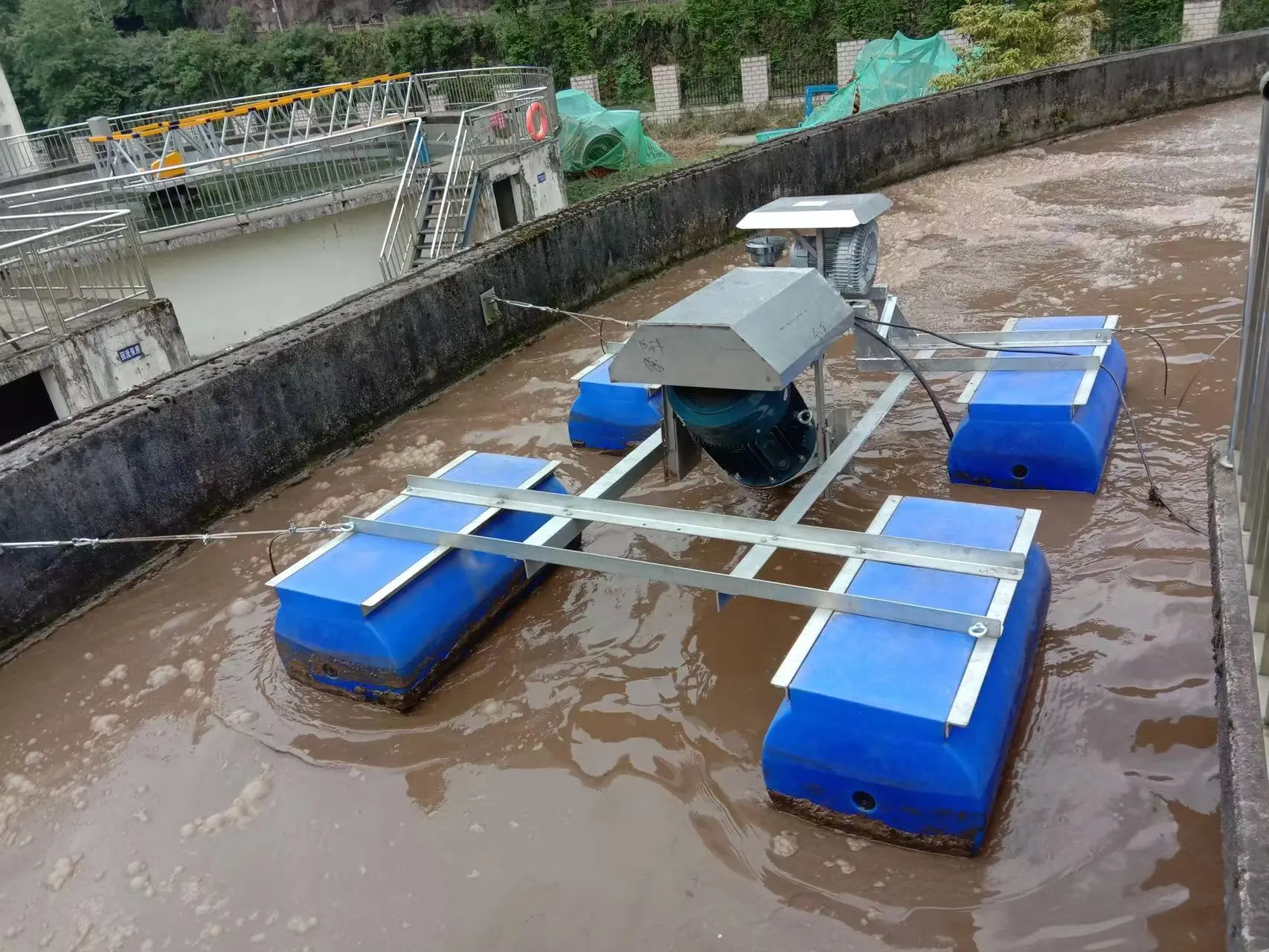
How does the capacity of the aerator affect the effectiveness of wastewater treatment?
2026-09-18
In this context, "aerator capacity" generally refers to the oxygen transfer rate (or oxygen supply capacity)—that is, the amount of oxygen delivered to the water body per unit of time. This is the most critical parameter for biochemical treatment, rath...
view
detail

How to Calculate Aerator Capacity?
2026-09-16
How to Calculate Aerator Capacity?
An aerator's capacity determines whether a wastewater treatment system, aquaculture pond, or industrial aeration basin maintains optimal dissolved oxygen levels or suffers from anaerobic dead zones. Sizing an aerator cor...
view
detail
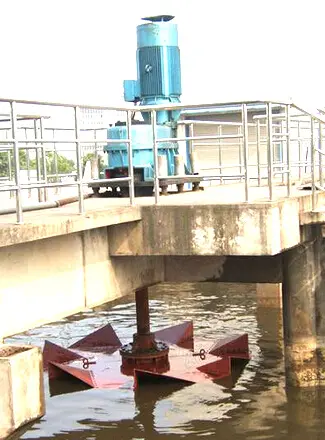
How to determine if the bubbles in a biochemical tank are too large.
2026-09-14
I
I. Visual Assessment (Fastest on-site method)1. Bubble CharacteristicsNormal, high-quality aeration: Fine bubbles creating a milky-white mist; most bubble diameters range from 1–3 mm; slow ascent; fine ripples on the water surface; no large bubbles ...
view
detail
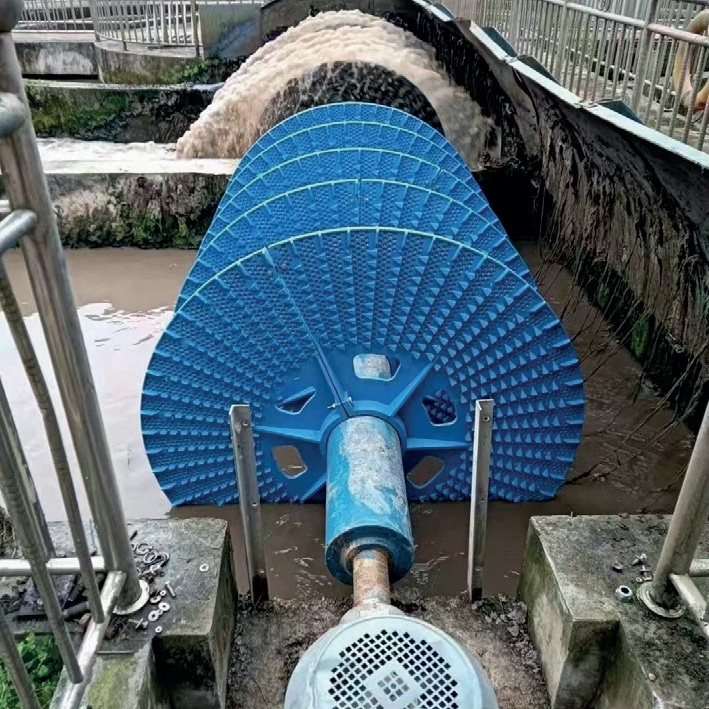
How Deep Can a Submersible Aerator Be Installed? Engineering Limits & Submergence Depth Selection
2026-09-10
Introduction
When designing biological wastewater treatment basins, equalization tanks, or industrial oxidation lagoons, determining the precise installation depth of aeration equipment is critical. Plant operators and environmental engineers frequen...
view
detail
What Is the Best Aerator for Wastewater Treatment?
2026-09-11
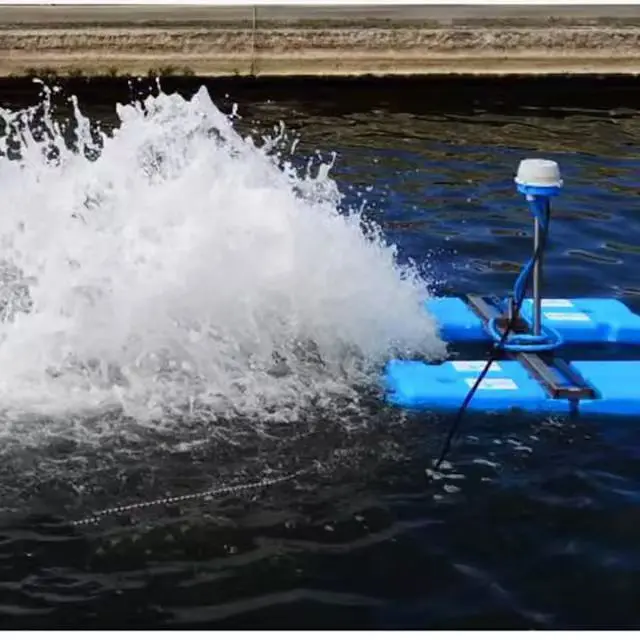
Aeration is the single most critical and energy-intensive stage in biological wastewater treatment. Accounting for 40% to 60% of a plant's total electricity consumption, selecting the right aerator directly impacts biological oxygen demand (BOD) removal ...
view
detail
Why does the aeration in some biochemical tanks appear to be boiling vigorously, yet the dissolved oxygen reading remains low?
2026-09-09
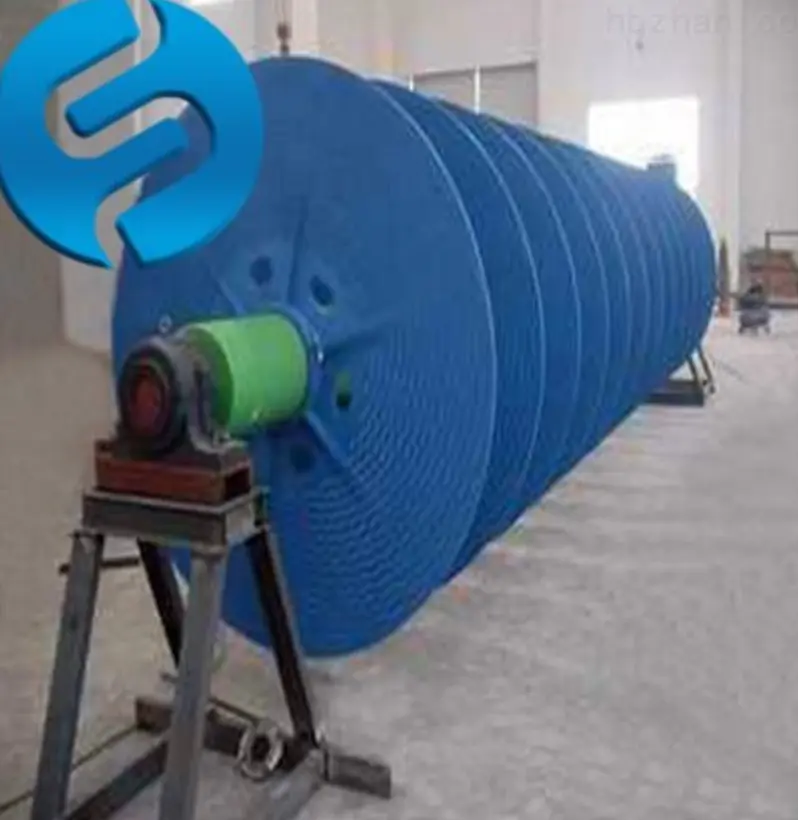
Symptom: Bubbles are churning and the water surface is boiling—visually indicating vigorous aeration—yet the dissolved oxygen (DO) meter reads low. This is a common occurrence in wastewater treatment.
Core PrincipleAeration simply injects air ...
view
detail
How does the oxygen utilization rate of an aerator affect the energy consumption of the blower?
2026-09-07
Relationship between Aerator Oxygen Utilization Rate and Blower Energy Consumption
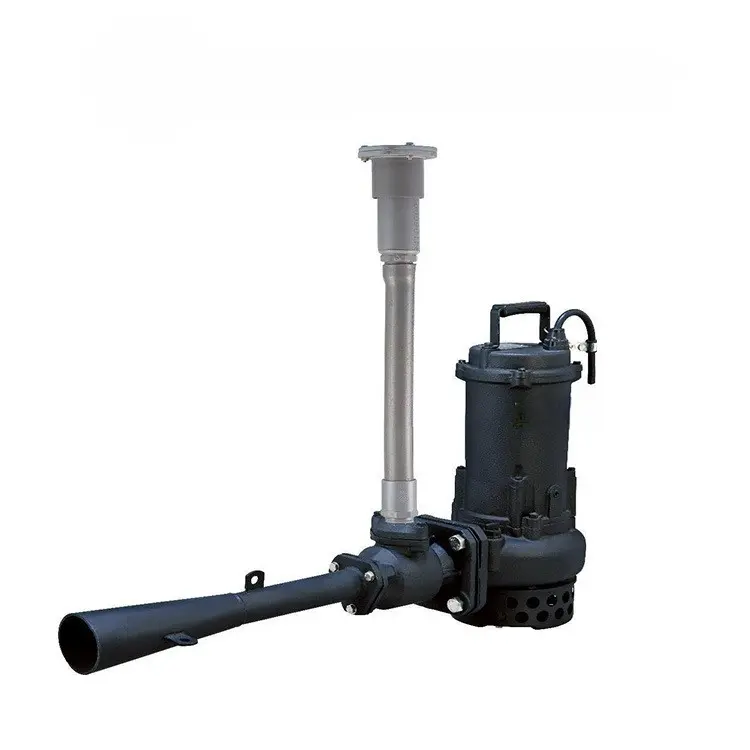
Oxygen Utilization Rate: The percentage of oxygen in the air supplied by the blower that is actually dissolved in the wastewater and utilized by microorganisms.
Simple Logic...
view
detail
What Is a Wastewater Aerator? How It Works and Why It Matters in Biological Treatment
2026-09-04
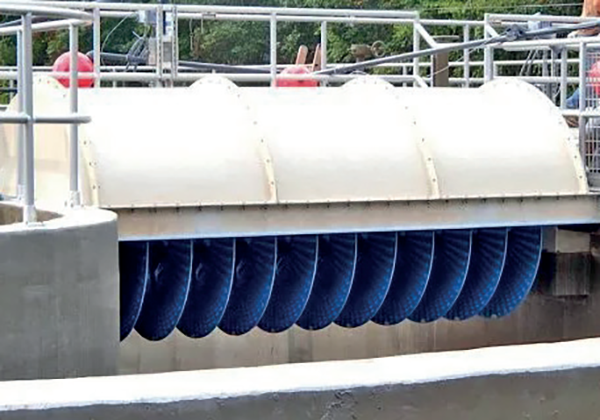
In industrial and municipal wastewater treatment facilities, biological degradation is the single most important stage for removing organic pollutants. At the heart of this process lies a critical piece of mechanical equipment: the wastewater aerator.
...
view
detail
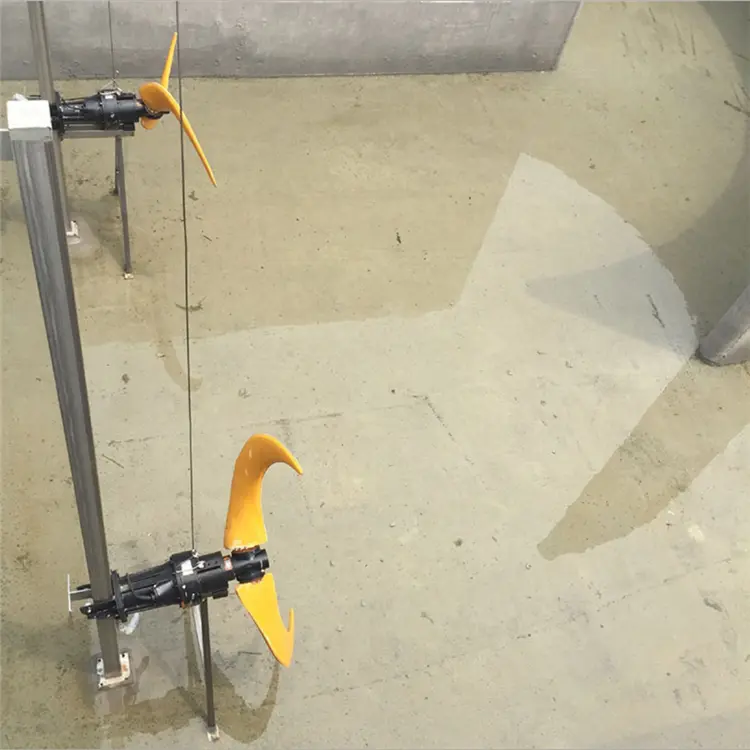
Submersible mixers and submersible jet mixers: the core differences between two major underwater devices for wastewater treatment.
2026-09-04
In wastewater treatment processes, submersible mixers and submersible flow boosters are both key underwater equipment. While their appearance is similar, they can easily be confused during project selection. However, their application scenarios and functiona...
view
detail