











News

How Does a Wastewater Aerator Work? Fundamentals & Operational Mechanics
2026-08-31
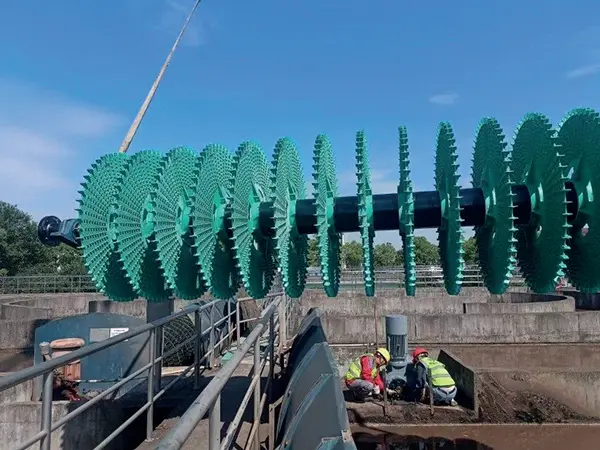
In municipal and industrial wastewater treatment plants, secondary treatment relies heavily on biological decomposition. Beneficial aerobic microorganisms consume dissolved organic pollutants, converting harmful organic loads into carbon dioxide, water, an...
view
detail
What Size Aerator Do I Need for My Wastewater Treatment Plant?
2026-08-27
Choosing the correct aerator size is one of the most critical engineering decisions in wastewater treatment plant (WWTP) design and operational optimization. Whether you are upgrading an existing municipal activated sludge system, managing high-strength ...
view
detail
Which has a higher oxygenation efficiency: an inverted umbrella aerator or a surface aerator?
2026-08-26
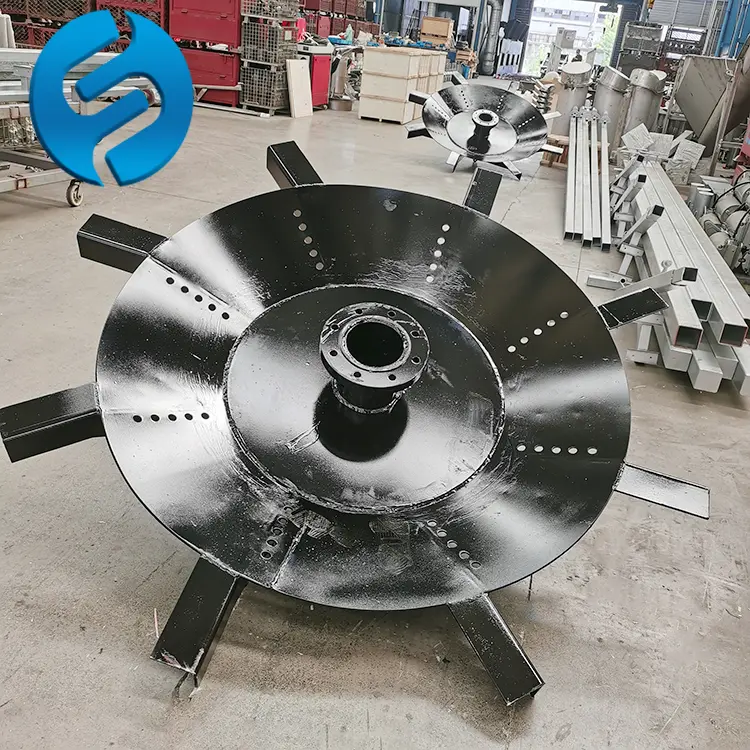
The inverted‑umbrella aerator is one type of surface aerator. Under the same motor power, the inverted‑umbrella aerator delivers higher oxygen transfer efficiencySage Journ
1. Inverted Umbrella AeratorOxygen efficiency: 2.8‑3.75 kgO₂/kW·h. ...
view
detail
Key Considerations for Scientific Selection of Chemical Dosing Systems
2026-08-21
Key Considerations for Scientific Selection of Chemical Dosing Systems
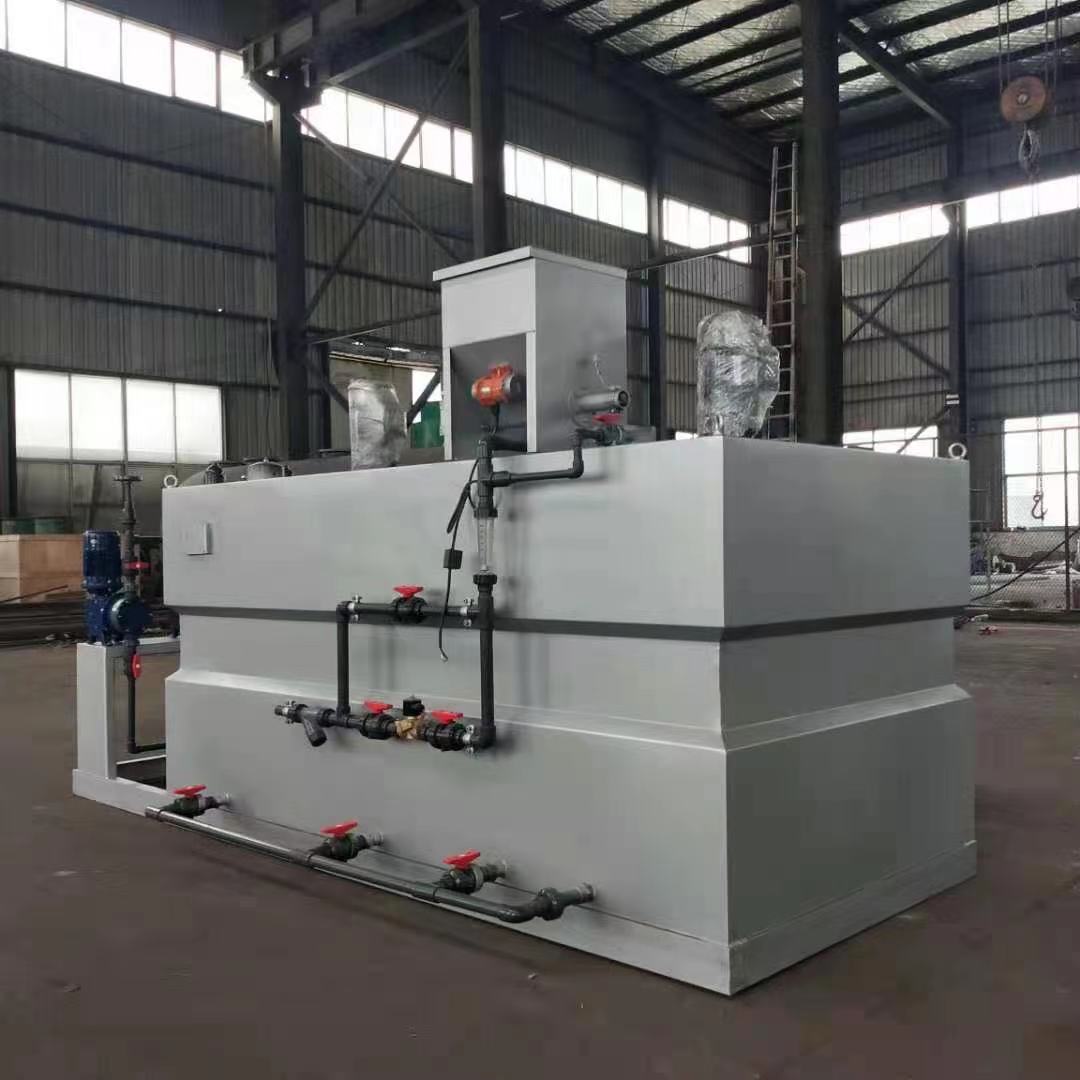
1. Chemical dosing systems are widely used in municipal sewage, industrial wastewater, waterworks, circulating cooling water, and chemical industries. They primarily perform the dissolut...
view
detail
How Much Does a Wastewater Aerator Cost? A Complete Pricing & Equipment Guide
2026-08-18
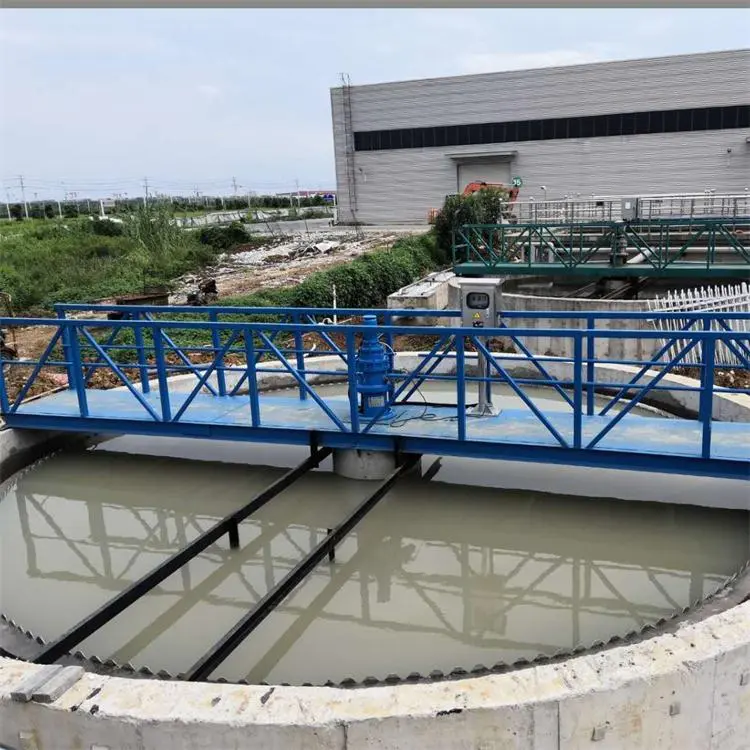
Whether you are upgrading a municipal sewage treatment plant, optimizing an industrial effluent lagoon, or designing a commercial aquaculture farm, biological aeration is typically the single largest capital investment—and ongoing energy cost&mdash...
view
detail
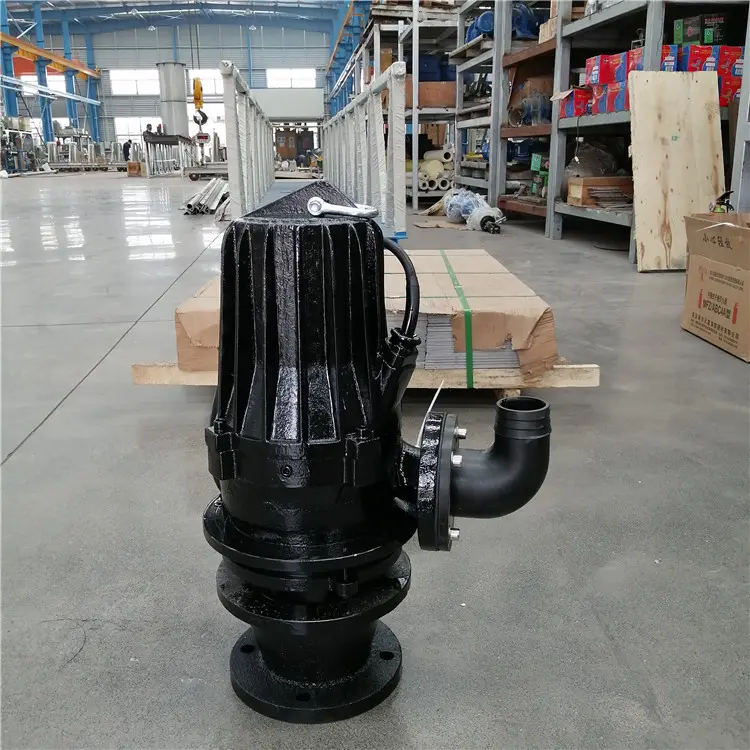
2026 Submersible Mixer Brand Strength Review: A Complete Guide from Source Factories to Wastewater Treatment Scenarios
2026-08-18
Submersible mixers in wastewater treatment plants are not simply components that can be "placed in and run." They directly control the hydraulic dead zones, activated sludge floc integrity, and denitrification homogenization levels in anaerobic, anoxic, equa...
view
detail
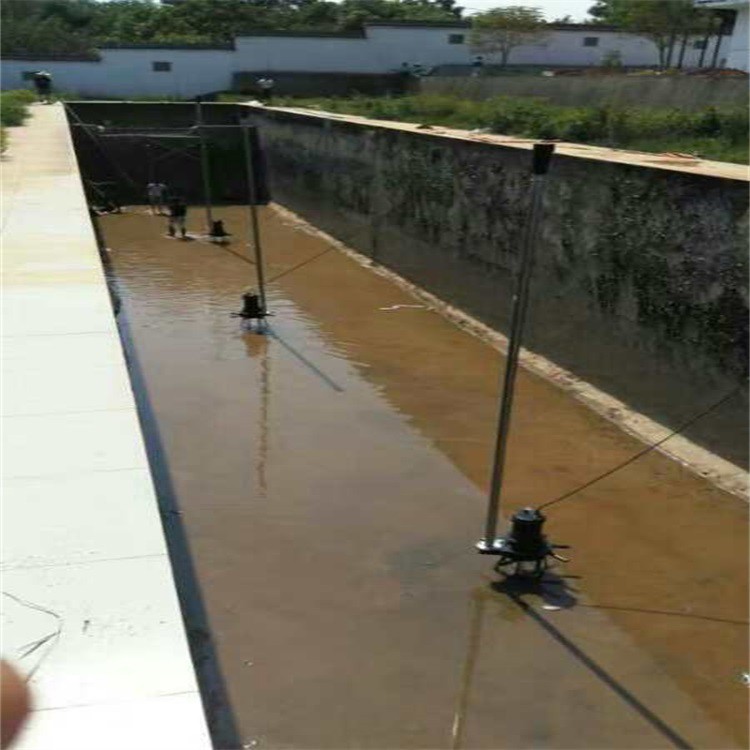
Surface Aerator vs. Submersible Aerator: Which One Is Best for Your Wastewater Project?
2026-08-13
Aeration is the single largest energy consumer in most biological wastewater treatment facilities, often accounting for 50% to 70% of total plant electricity usage. Because of this high operational stake, choosing the right aeration equipment isn't jus...
view
detail
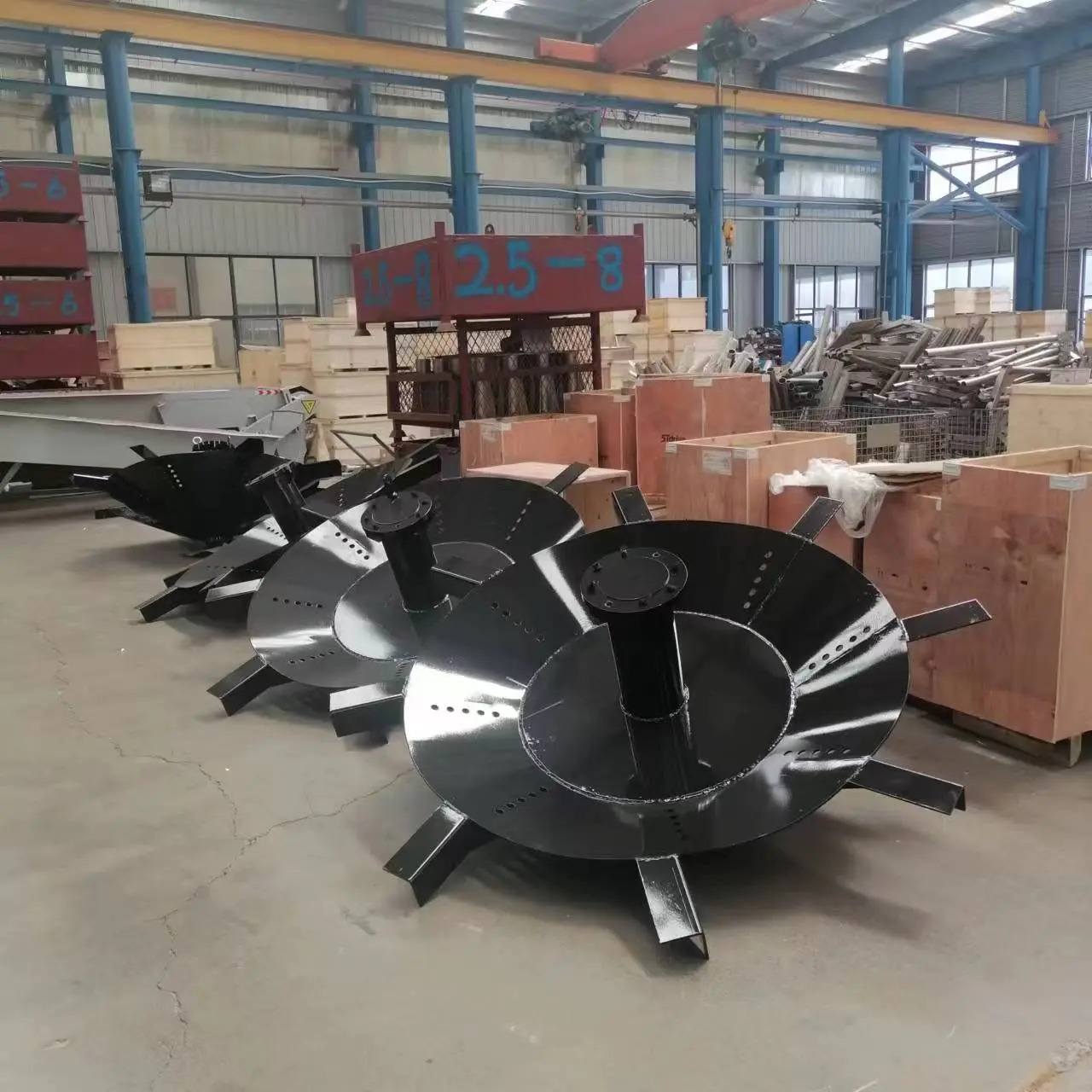
How to Choose the Right Aerator for Wastewater Treatment
2026-08-10
In municipal and industrial wastewater treatment, aeration is the operational core of secondary biological treatment. It supplies the dissolved oxygen (DO) necessary for aerobic microorganisms to metabolize organic pollutants, nitrify ammonia, and keep...
view
detail
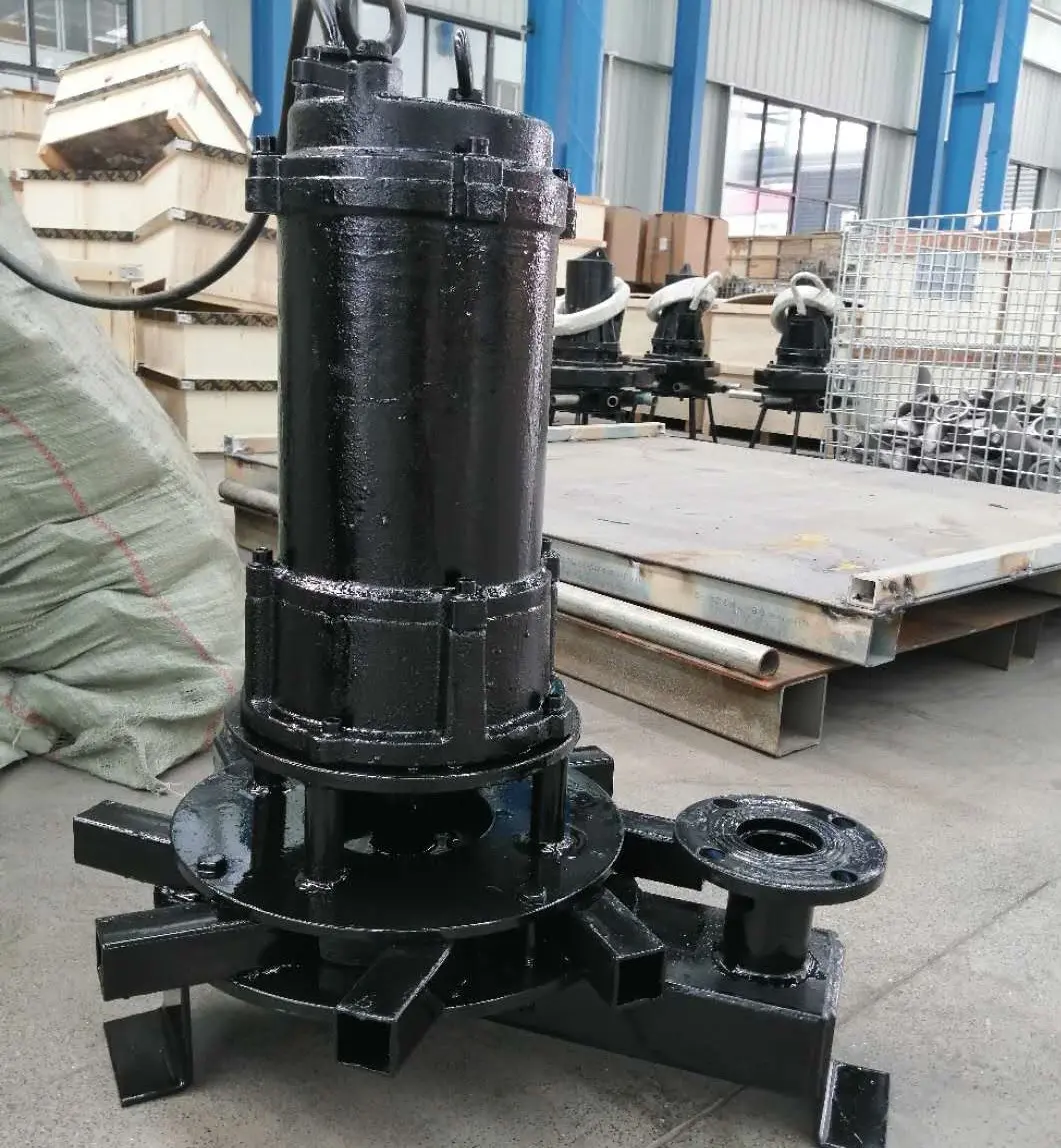
What are the limitations on the installation depth of an aerator? What problems might occur if it's installed too deep?
2026-08-07
I. Installation Submersion Depth Range
1. Minimum Submersion Depth: 0.6-1.0m The equipment must not be above the water surface to prevent air short-circuiting and splashing, ensuring the impeller is completely submerged. Too low a water level will attract a...
view
detail
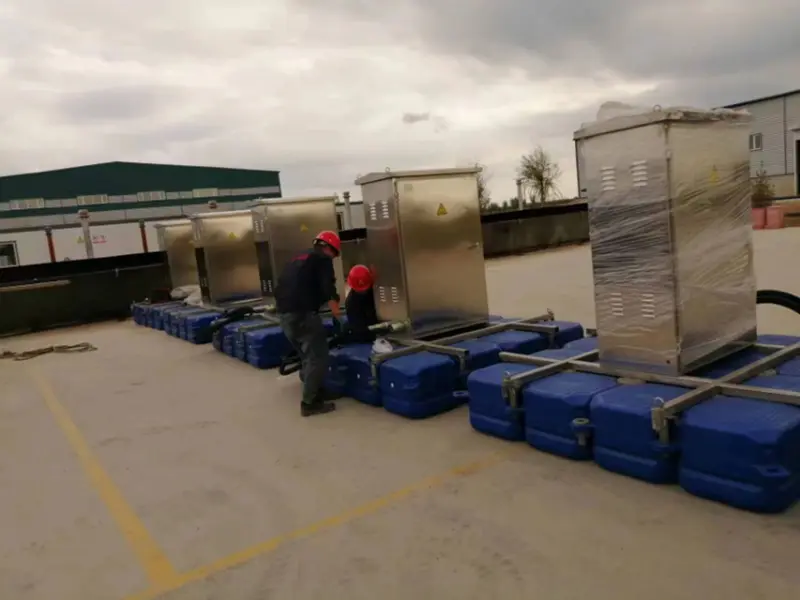
Different Types of Aerators Used in Wastewater Treatment
2026-08-04
Aeration is the single most critical and energy-intensive stage in biological wastewater treatment. By introducing dissolved oxygen into aeration basins, it drives the metabolic breakdown of organic contaminants by aerobic microorganisms while keeping su...
view
detail