0102030405

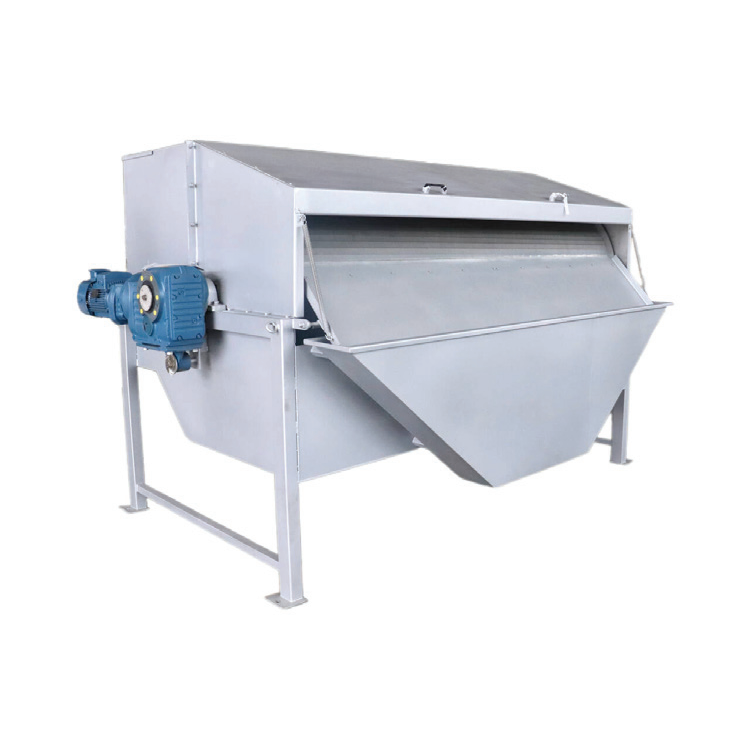
External-Fed Rotary Drum Screen
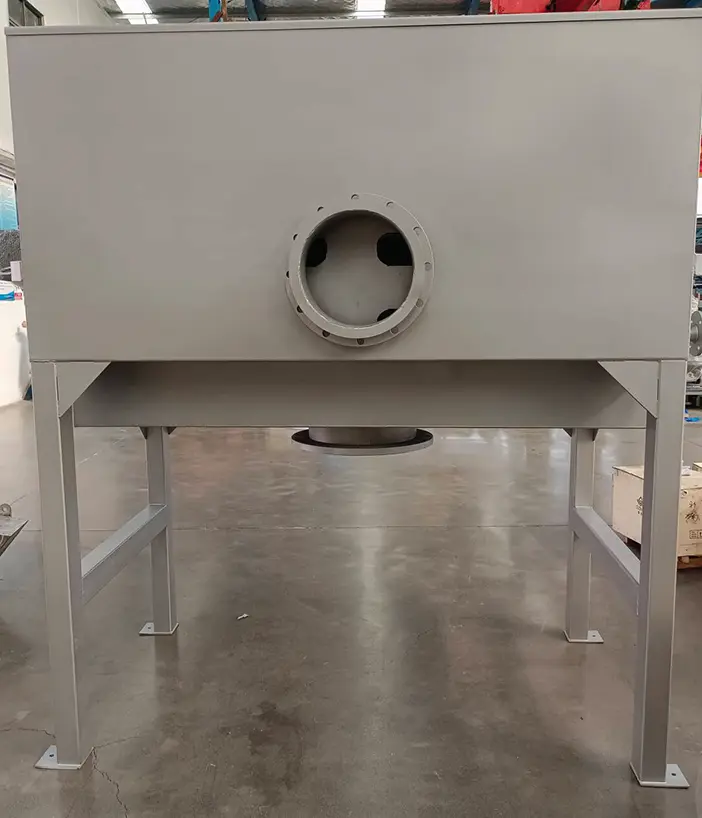
Working Principle
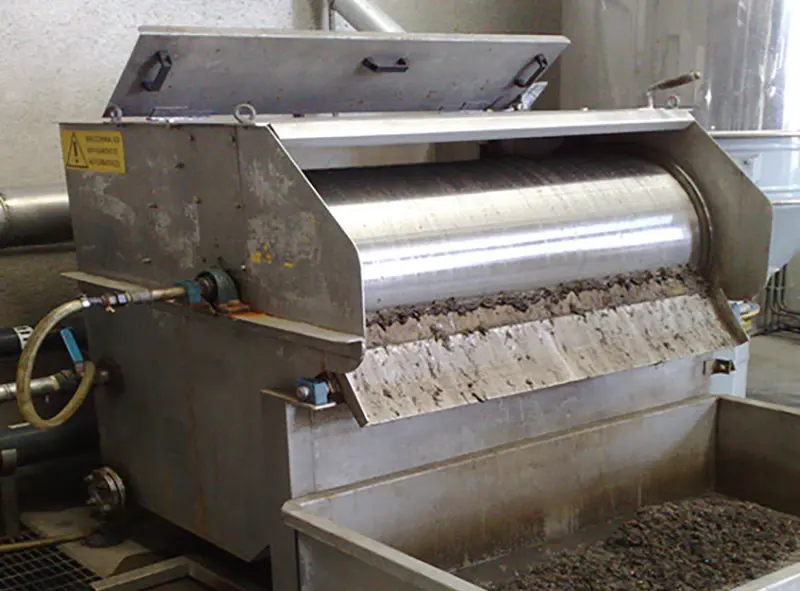
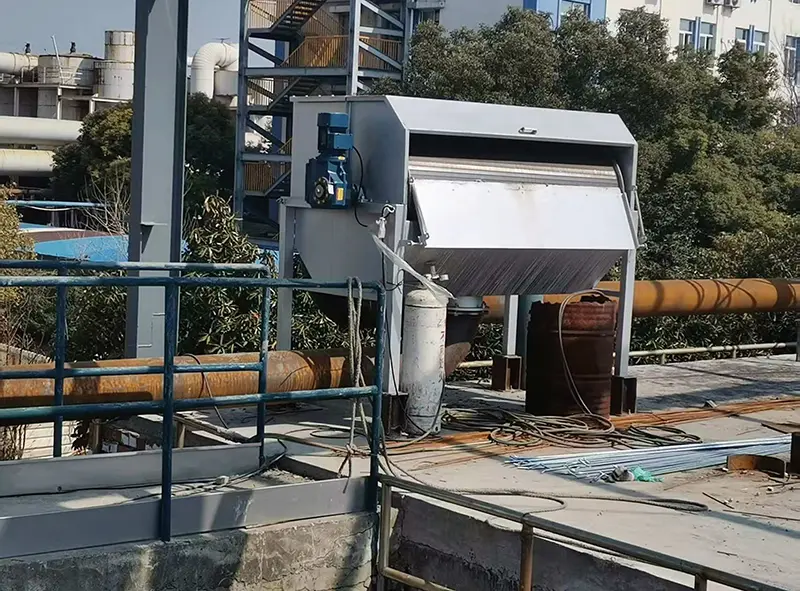
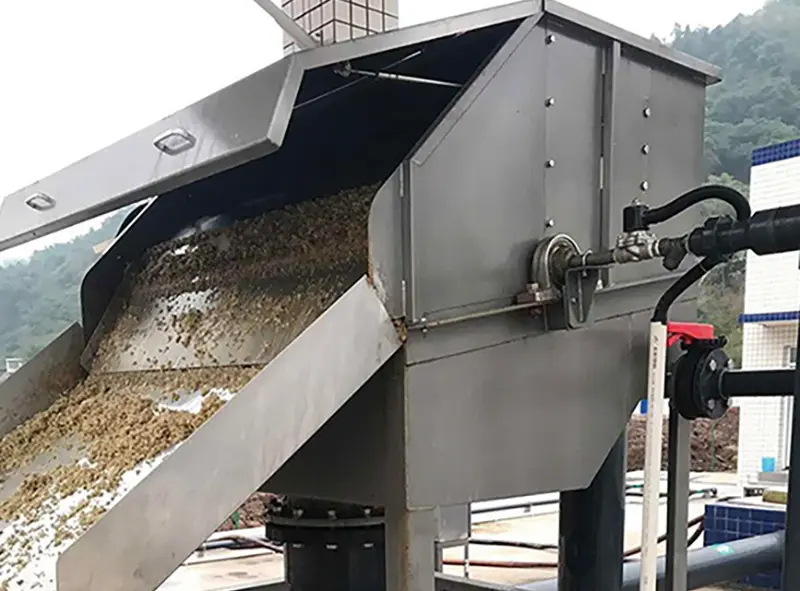
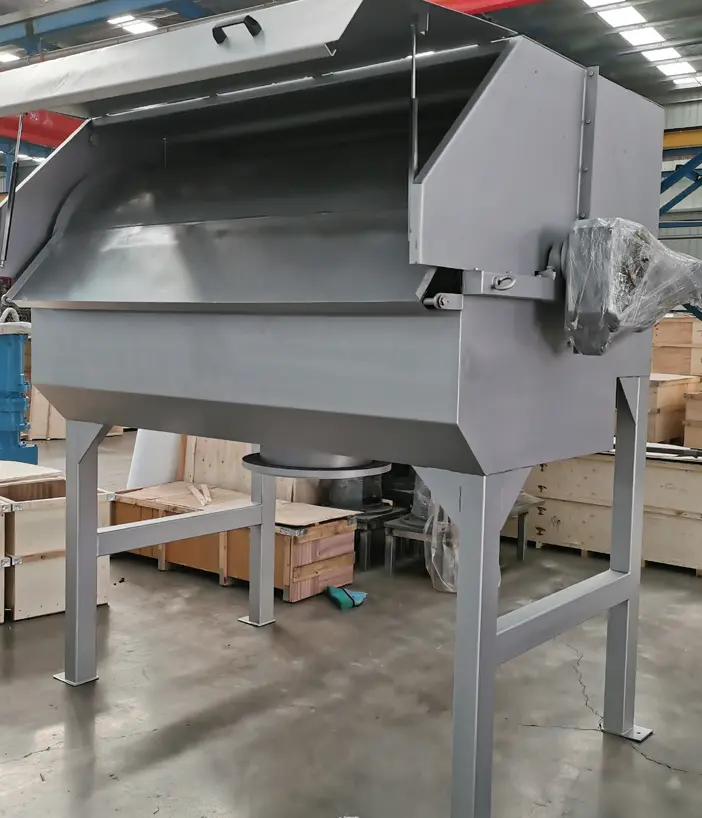
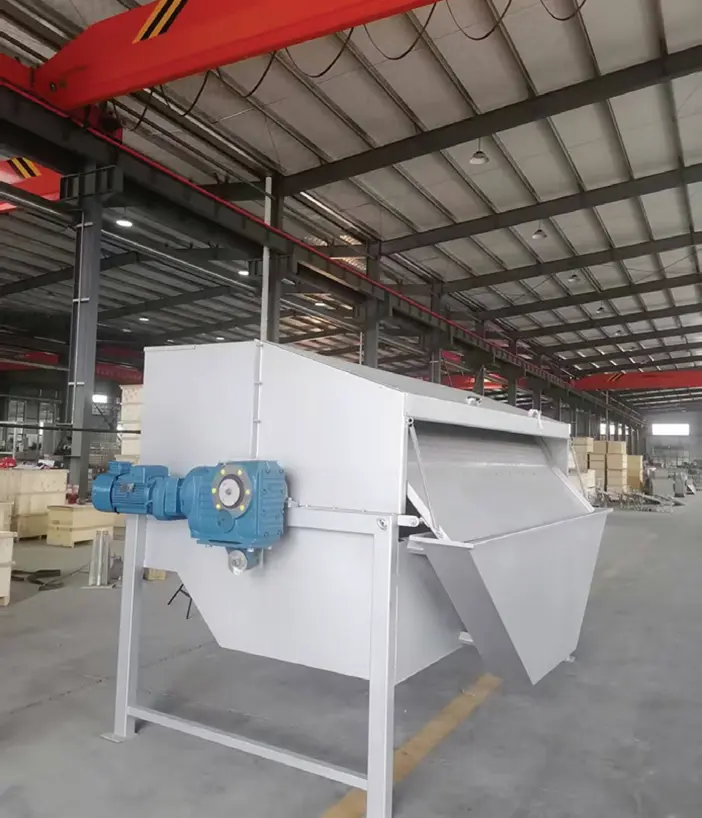
During operation, wastewater is pumped from the inlet pipe into the inlet tank of
the rotary drum screen. After being distributed by baffles (or distribution pipes), it
flows evenly to the front of the drum surface. It then flows through the drum surface
and finally exits from the bottom. Suspended solids in the wastewater remain on the
rotating drum surface and are transported from the inlet end to the discharge end on
the other side, where they are scraped off by the discharge mechanism.
Features
- Simple structure, stable operation, convenient maintenance, and long service life.
- High filtration capacity and efficiency; generally, the fiber recovery rate of wastewater is greater than 80%.
- Small footprint, low cost, low-speed operation, automatic protection, easy installation, water and energy saving.
- Fully automatic continuous operation, automatic backwashing device, no need for dedicated personnel to supervise.
- Can replace thickeners and rotary screen dewatering machines by changing the filter screen with different mesh sizes.