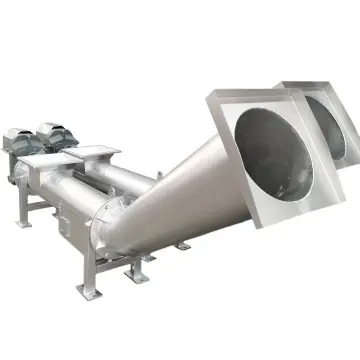
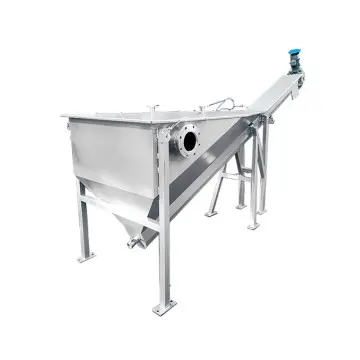

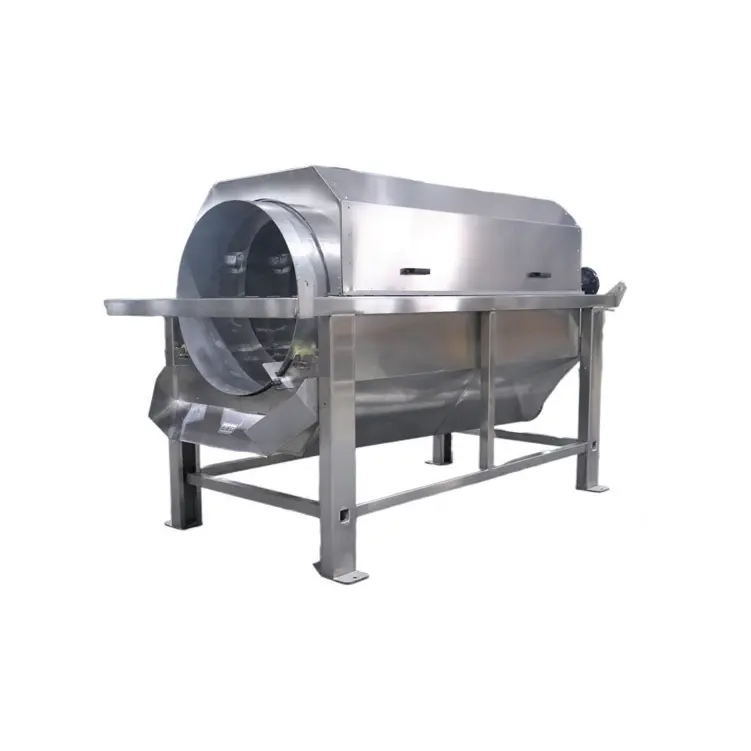
Internally-Fed Drum Screen
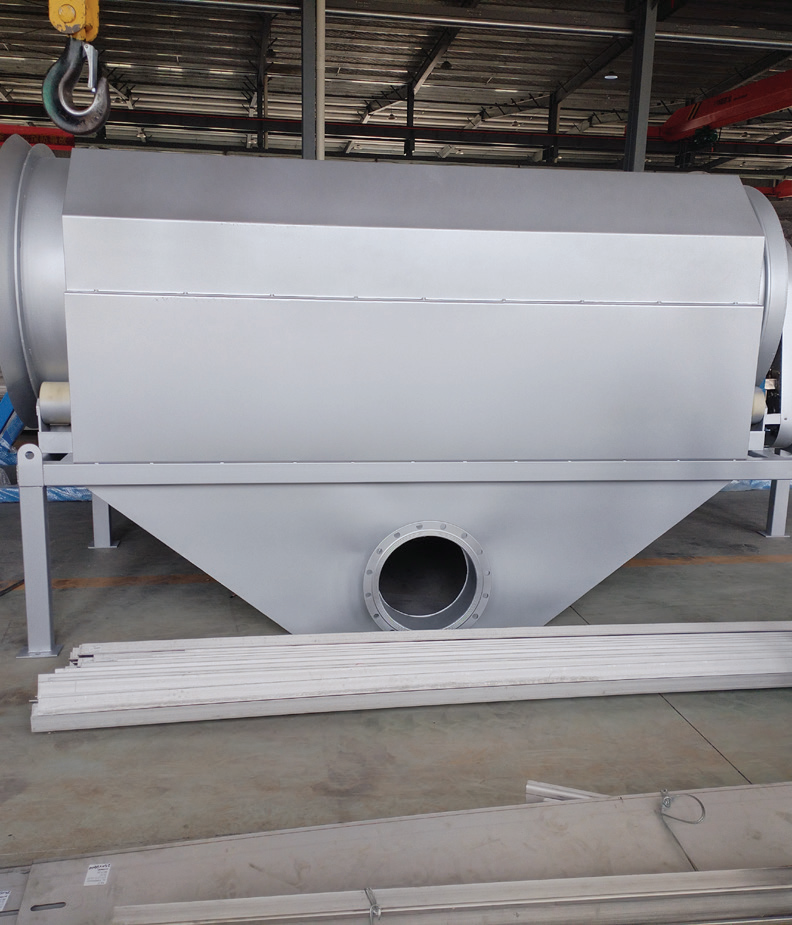
Working Principle
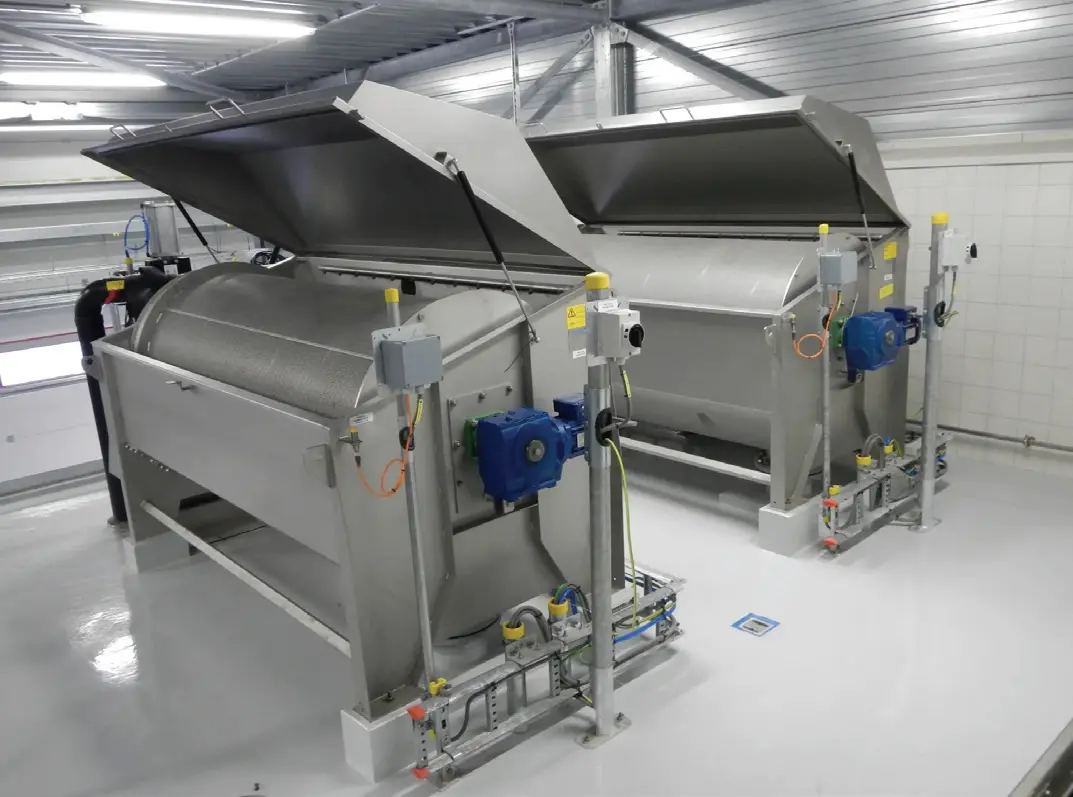
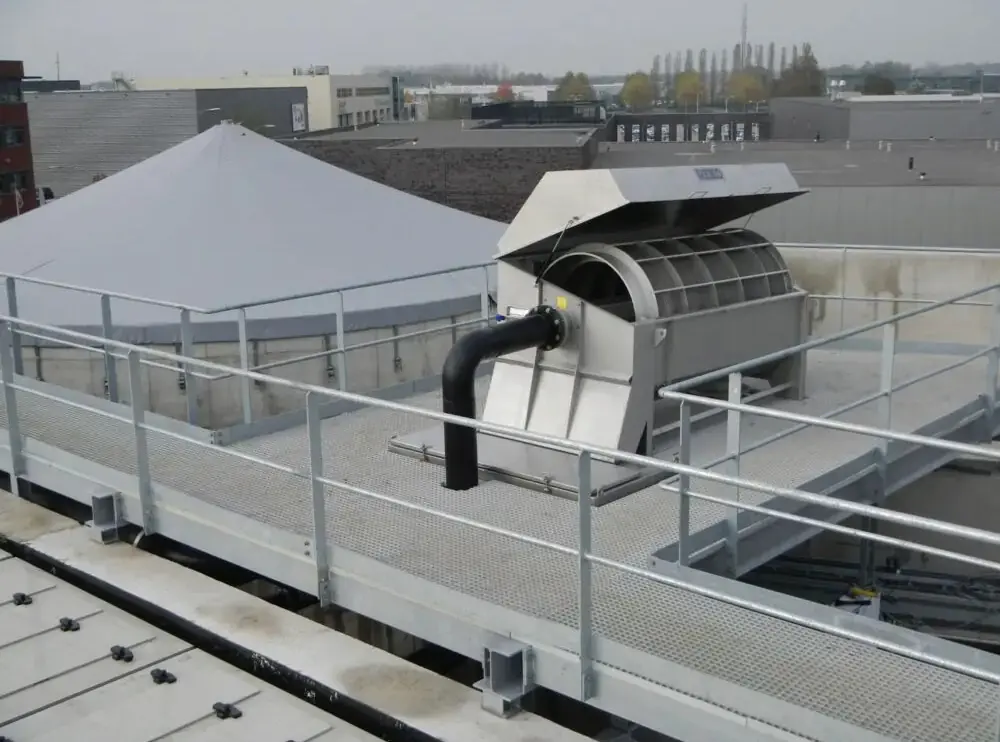
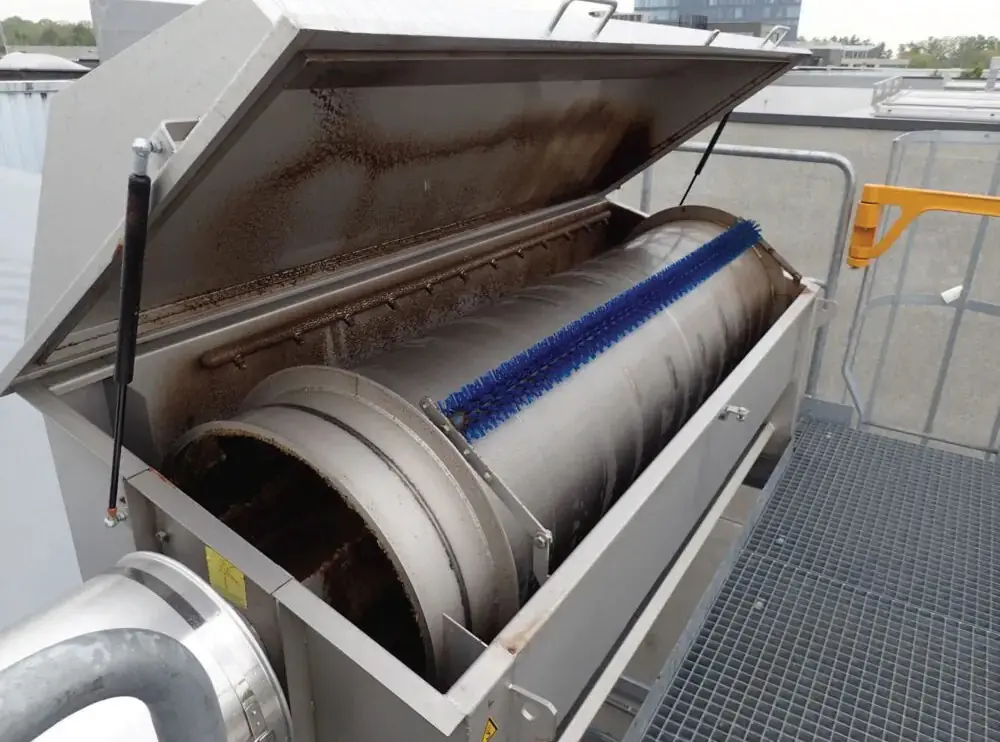
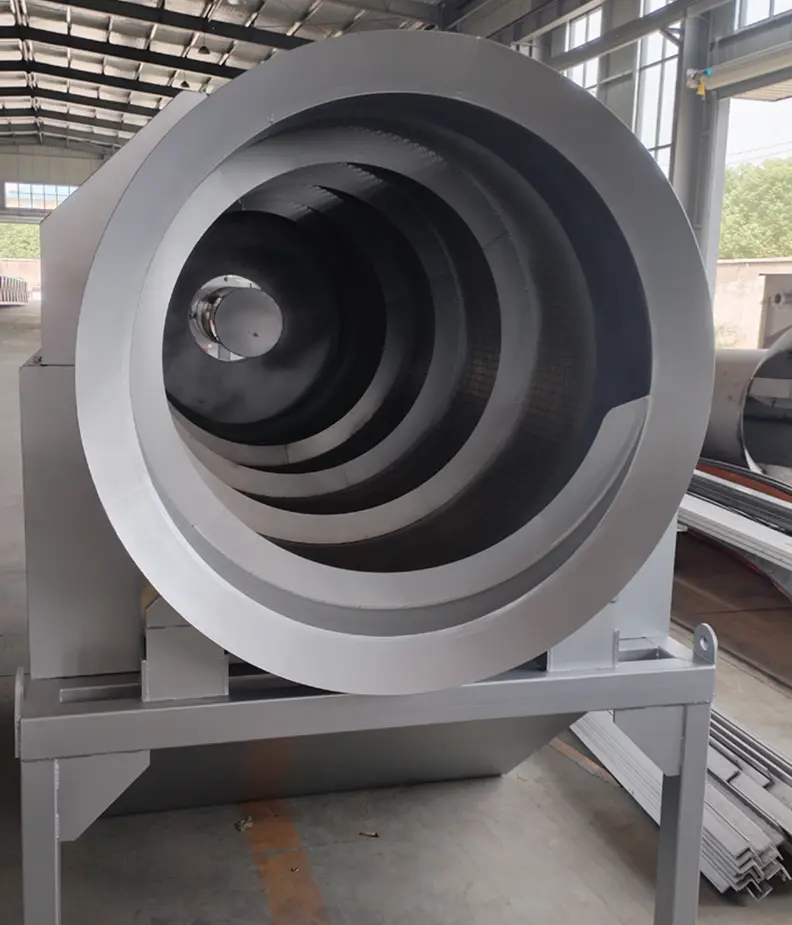
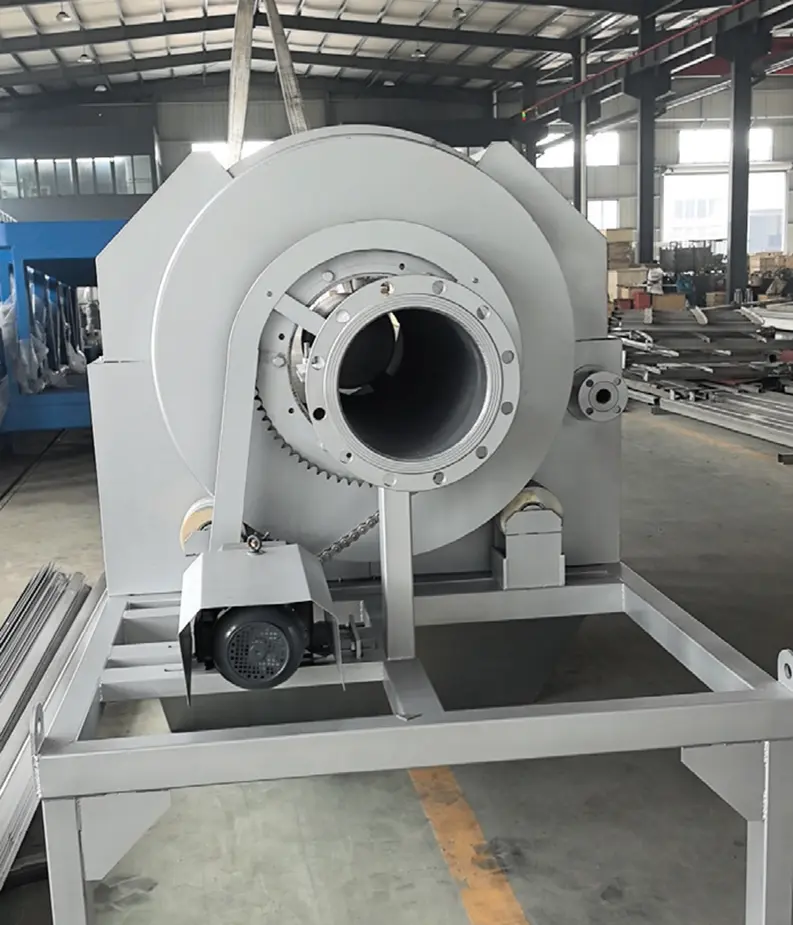
The wastewater to be treated enters smoothly and evenly into the horizontally placed rotating drum (roller) through a buffer inlet or inlet pipe. The drum surface is equipped with filter screens with specific pore sizes (e.g., 15-20 micrometers or larger than 0.2 mm). As the drum rotates, the filtered water passes through the gaps and is discharged, while the trapped suspended solids (such as fibers and solid particles) are pushed to one end by the guide spiral or scraper on the inner wall of the drum and eventually discharged outside the machine. Most units are equipped with a backwashing system; when the filter screen becomes clogged to a certain extent, a high-pressure water spray cleaning process is automatically activated to restore filtration capacity
Features
- Simple structure and stable operation: Typically uses chain or gear drive, easy maintenance, and long service life.
- High filtration efficiency and large processing capacity: Through optimized water distribution design, it can achieve continuous water inlet, drainage, and slag discharge, achieving a fiber recovery rate of over 80% and a solids removal rate of ≥85% for papermaking wastewater.
- High degree of automation: Fully automatic continuous operation, usually requiring no dedicated personnel, and equipped with automatic backwashing and overflow prevention devices.
- Energy saving and environmentally friendly, small footprint: Low head loss and low energy consumption; compact structure and small footprint.
- High durability: Core filter components often use new wedge-shaped slotted stainless steel hard mesh or high-grade corrosion-resistant materials, with high mechanical strength, not easily deformed or broken, and a long service life.