
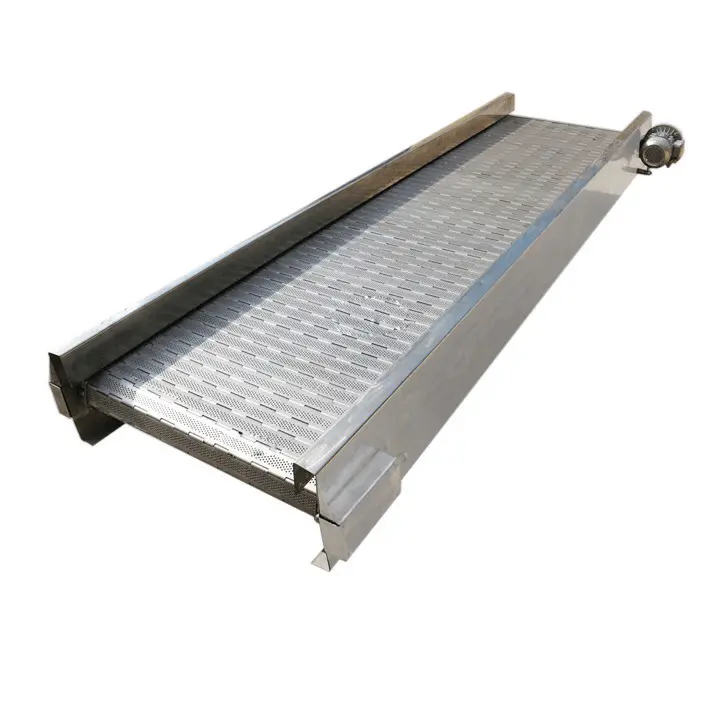
Chain Plate Conveyor
Features
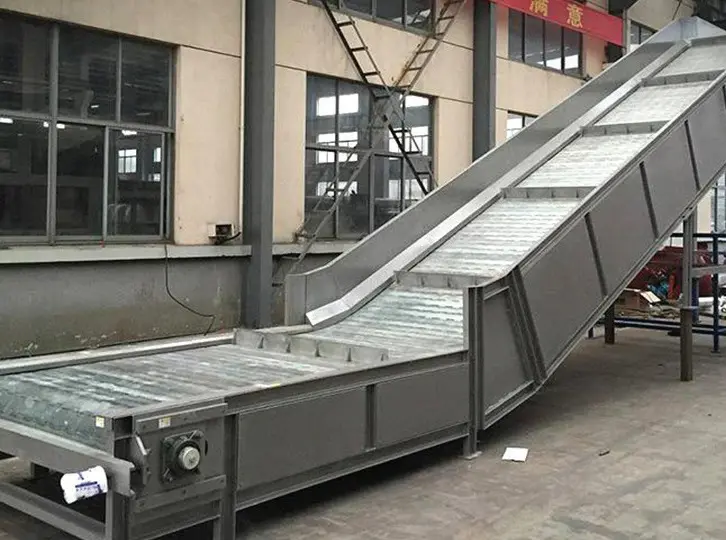
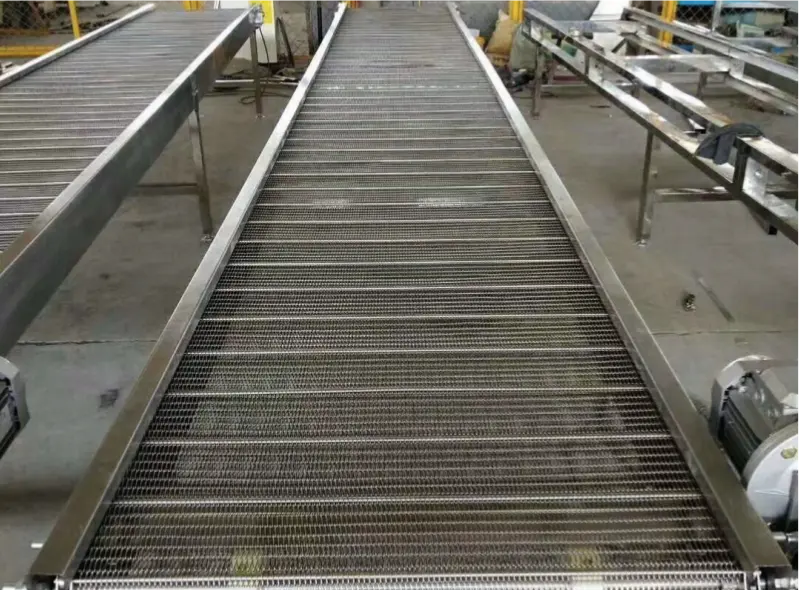
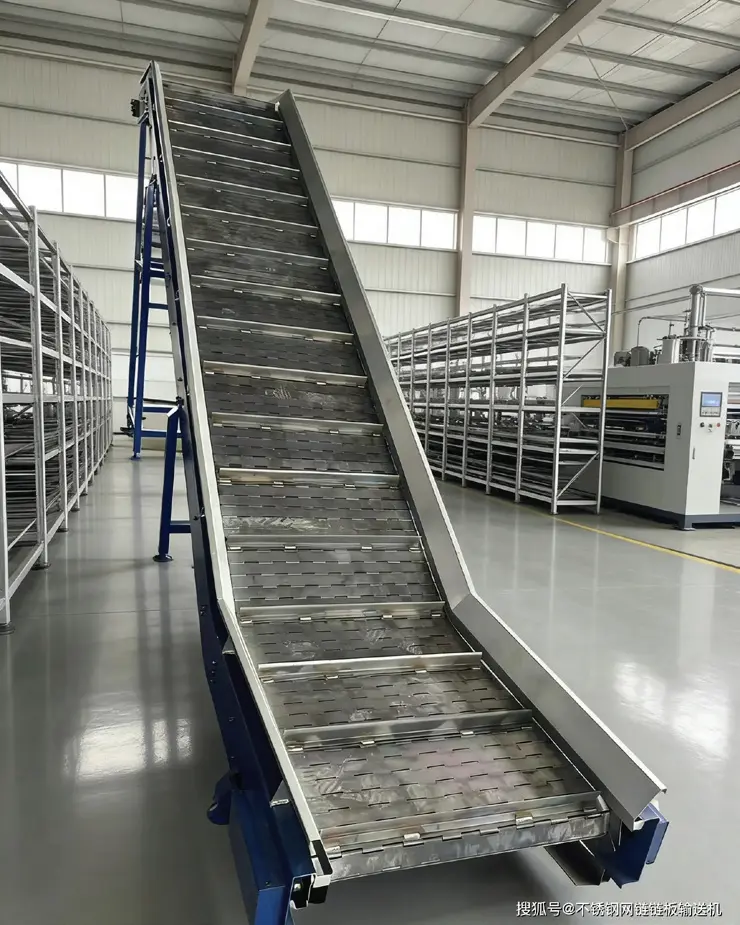
1.The conveying surface is flat and smooth with low friction, ensuring smooth material transition. It can transport glass bottles, PET bottles, cans, and various suitcases.
2.Link plates are available in stainless steel and engineering plastic materials, with diverse specifications to meet different industry requirements based on materials and processes.
3.Frame materials include aluminum profiles, ordinary carbon steel, and stainless steel.
4.Large conveying capacity with high load-bearing capacity, suitable for industries such as electric vehicles, motorcycles, and generators.
5.Accurate and stable conveying speed ensures precise synchronous transportation.
6.Generally washable directly with water or immersible in water for easy cleaning, meeting hygiene requirements in the food and beverage industries.
7.Flexible layout, capable of horizontal, inclined, and curved conveying on a single line.
8.Simple structure and easy maintenance.
Usage Precautions
1. Transportation and Storage
Avoid contact with acids, alkalis, oil, water, and other pollutants during transportation and storage.
Keep away from heat sources and avoid long-term direct sunlight and rain/snow exposure.
Storage temperature: -100°C to 400°C; relative humidity: 50%–80%.
Do not squeeze or impact the equipment during transportation and storage.
2. Lifting
Use ropes and steel rods for lifting: Thread a steel rod through the coil core, then tie the rope to both ends of the rod.
Protect the belt edges with padding where the rope contacts the belt to prevent damage.
Do not insert lifting tools into the belt roll or wrap the rope around the belt, which may cause slippage.
Forklifts with sufficient load capacity can also be used, but avoid damaging the outer wrap of the belt.
Daily Maintenance