What Is the Best Small Floating Fountain for a Pond in 2026?
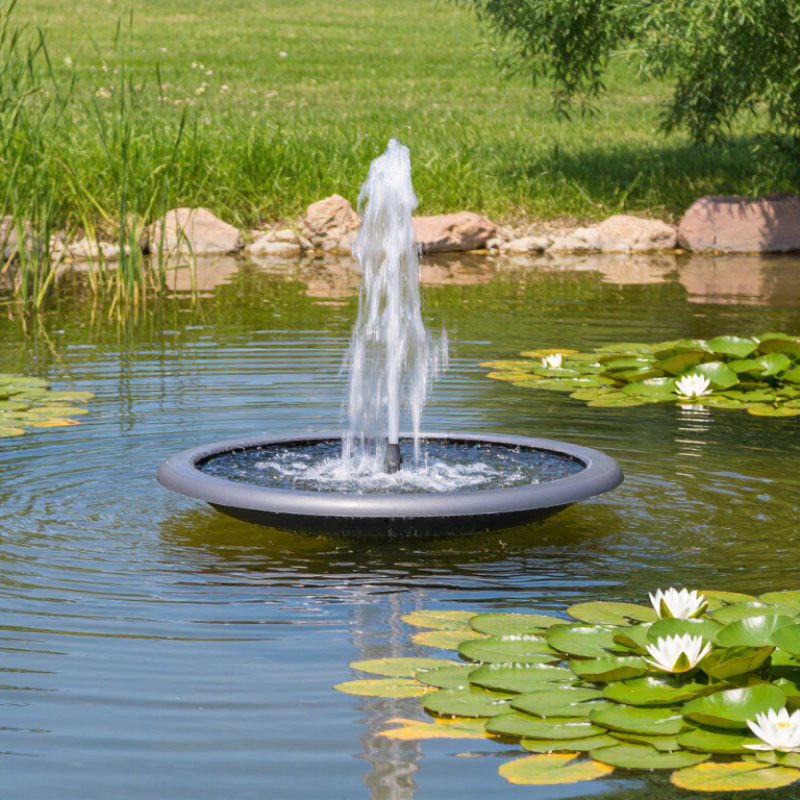
Choosing the Best Small Floating Fountain For Pond in 2026 is about more than finding a spray pattern you like. A fountain must fit the pond’s surface area, depth, and power access. It should also move water without overwhelming fish, splashing onto nearby paving, or turning a quiet corner into a noisy one. Picture a compact unit sending a steady plume above lily pads, with enough reach to ripple the surface but not soak the pond edge. Small details matter.
This guide compares fountain size, flow rate, spray options, power source, and upkeep to help you match a model to your pond. A modest fountain may suit a small wildlife pond; a larger basin may need stronger circulation. Yet bigger is not automatically better. Wind can scatter a tall spray, while leaves and algae can clog an intake sooner than expected. There is no perfect unit for every pond.
I can’t responsibly attribute a direct quotation to a named industry expert without a verifiable source. Rather than inventing one, this introduction focuses on practical selection criteria. Before buying, measure the pond, check the manufacturer’s minimum operating depth, and consider where the cord or solar panel will sit. Those checks are not exciting. They can prevent a frustrating return.
Key Factors in Choosing a Small Floating Fountain for a Pond in 2026
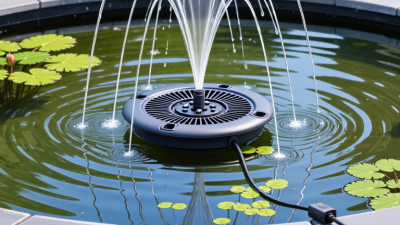
A small floating fountain should fit the pond, not just look attractive in a product photo. Measure the water surface and note the shallowest areas before comparing flow rates. A compact unit can still send water beyond the pond on a breezy day. That means lost water, damp stones, and more frequent refilling. Keep the spray modest. It is often easier to adjust upward than to live with constant splashing.
Check how the fountain stays in place. A tether or weighted anchor can help prevent drifting into plants or against the pond edge. Look for a pump that can be reached without lifting the entire unit, since leaves and fine debris may collect around its intake. Easy to clean matters. So does a clearly stated minimum water depth; running a pump too low can damage it. I would not assume a floating fountain replaces filtration or reliably oxygenates every corner of a pond.
Power needs deserve equal attention. Confirm that the cord can reach the outlet without crossing a walkway or becoming stretched tight. Outdoor electrical equipment should be installed and protected according to its instructions, with help from a qualified professional when needed. Consider sunlight, shade, and seasonal changes, too. Solar models may slow during cloudy spells, while corded models need a suitable power source. A little trial and adjustment is normal; the first spray pattern may not be the right one.
How Pond Size, Depth, and Water Conditions Affect Fountain Choice
What Is the Best Small Floating Fountain for a Pond in 2026?
A small floating fountain is not automatically right for a small pond. Match its flow to the pond’s surface area, average depth, and water conditions. The U.S. Geological Survey lists one acre-foot as about 326,000 gallons, a useful reminder that depth changes water volume dramatically. A broad, shallow pond may need a different flow pattern from a narrow, deep one. Depth matters. Check the fountain’s minimum operating depth and keep its intake clear of soft sediment, leaves, and plant debris.
Water quality matters as much as appearance. Southern Regional Aquaculture Center pond-management guidance identifies dissolved oxygen around 5 mg/L as a practical target for fish ponds. A fountain can disturb surface water, but a decorative spray should not be assumed to oxygenate every deep or stagnant area. Warm weather, algae, and accumulated organic matter can raise oxygen concerns. Measure dissolved oxygen if fish are present, especially near dawn, when levels may be lowest. A tidy spray pattern can still hide a poor fit.
Tips: Measure the pond’s average depth, not just its widest point. Start with a modest spray height, then watch for windblown droplets, exposed intake, or disturbed bottom sediment. Recheck water clarity and fish behavior after installation; conditions can change.
Comparing Pump Capacity, Spray Patterns, and Aeration Performance
What Is the Best Small Floating Fountain for a Pond in 2026?
A small floating fountain should be judged by delivered flow, not its box’s maximum pump rating. That rating often assumes little or no lift. Check the pump curve at the height your nozzle needs, then allow for hose losses and a partly clogged intake. Hydraulic Institute pump guidance explains why flow changes with operating head. Small is not weak.
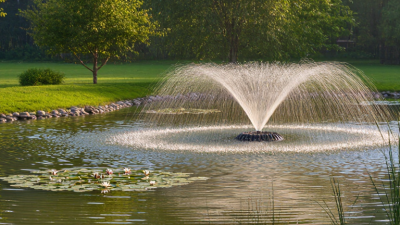
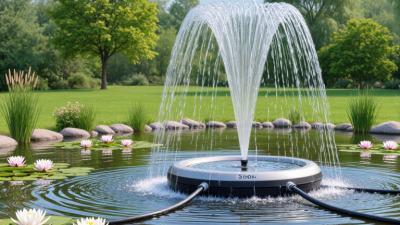
Spray shape affects both appearance and surface movement. A narrow jet can rise higher, but wind may scatter it beyond the pond. A broad, lower plume usually spreads droplets across more surface area. Look for adjustable nozzles and test the pattern on a breezy day. A fountain can look impressive and still aerate poorly. Surface splash helps exchange oxygen, but it may not circulate deeper water.
For aeration, compare measured dissolved oxygen at dawn, when overnight respiration can leave levels lowest. The USGS Water Science School identifies readings below about 5 mg/L as a concern for aquatic life; species and temperature affect the actual risk. A fountain is not a guaranteed cure for low oxygen. Pond depth, algae, and fish load matter, too. Choose a pump with enough flow at working height, then verify the result with a meter rather than trusting spray height alone. That check is easy to skip.
Evaluating Power Options, Installation, and Maintenance Needs
A small floating fountain should match the pond’s depth, surface area, and available power—not just its advertised spray height. Mains-powered models usually provide steady operation, but they need a properly protected outdoor outlet and a safe cable route away from foot traffic. Solar models avoid a long power cable, yet shade and cloudy weather can reduce run time. Battery storage helps, though it adds another part to inspect and replace.
Estimate the running cost before buying. The U.S. Energy Information Administration reported an average residential electricity price of 16.5 cents per kilowatt-hour in 2024. A 40-watt fountain running eight hours daily uses about 117 kilowatt-hours yearly, or roughly $19 at that average rate. That estimate is tidy. Real ponds are not: timers, pump wear, and local electricity rates change the result. Check the pump’s rated wattage and decide whether it must run overnight.
Installation details matter. Confirm the unit’s minimum operating depth, then anchor it so wind cannot push it into the pond edge. Keep the intake clear of leaves and floating debris; during heavy leaf fall, inspect it weekly. Unplug the fountain before cleaning, and check the cable and connections for damage. A modest spray may look less dramatic, but it often reduces splash loss and keeps more water in the pond. The right balance takes a little watching.
Matching Fountain Features to Your Pond and Budget
What Is the Best Small Floating Fountain for a Pond in 2026?
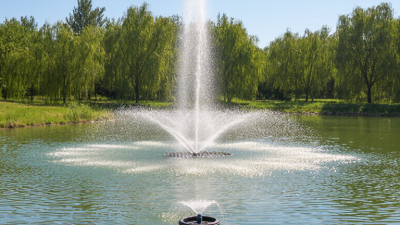
A good small fountain fits the pond, not just the budget. Check the pond’s depth and surface area before comparing pump flow rates. A narrow spray can suit a compact pond, while a wider pattern may splash water onto nearby stones. That looks lively, but lost water means more frequent refilling. Wind matters, too. Tall sprays often drift and feel less impressive on breezy days.
Tips: Measure the pond first. Check the fountain’s minimum operating depth and whether its intake needs a clear area. Keep leaves and stringy debris away from the pump. A floating fountain can move water, but it may not replace dedicated aeration, especially in a heavily stocked pond.
For a tight budget, compare the full setup cost, not only the fountain price. Solar models can reduce wiring needs, though output may dip in shade or cloudy weather. Plug-in models offer steadier operation when a safe power source is available. I’d avoid paying extra for a dramatic spray before checking how easy the unit is to clean. Small parts clog; that detail is easy to overlook. A modest, adjustable fountain may be a better match than the most powerful option.