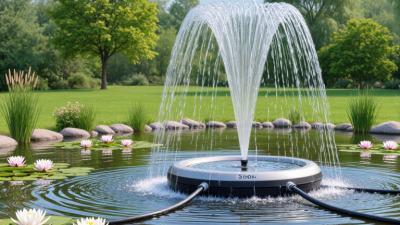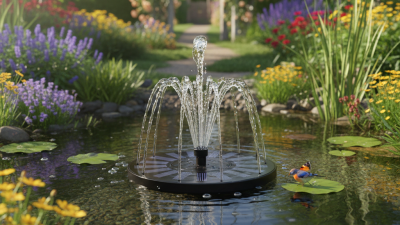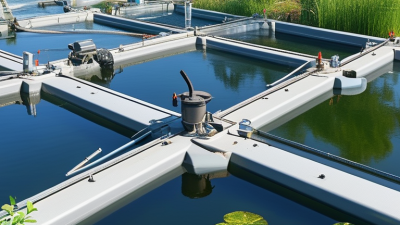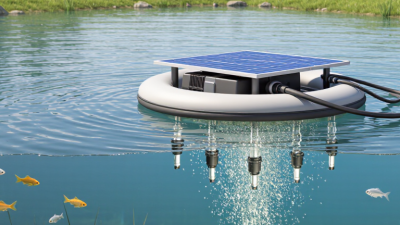
A pond can look calm while oxygen levels shift beneath the surface. On a warm afternoon, fish may gather near the inlet, and a faint earthy smell may linger over still water. These signs do not prove poor water quality, but they invite closer attention. A Floating Fountain Aerator adds movement and encourages contact between water and air. Its spray can also create a visible focal point. The display is attractive; the water movement is the practical part.
Aquaculture and water-quality expert Claude E. Boyd has emphasized dissolved oxygen as a critical factor in aquatic systems. A concise paraphrase of that guidance is: “Keep dissolved oxygen in view; pond life depends on it.” This is a paraphrase, not a verified verbatim quotation. That distinction matters when discussing equipment performance. A floating unit may suit ponds that need surface circulation, but results depend on pond depth, shape, stocking, and the machine’s capacity. A fountain is not a cure-all. It may not prevent every low-oxygen event, especially in a heavily loaded pond or during hot, still weather. Owners should check water conditions and follow the manufacturer’s sizing guidance. The spray pattern alone cannot tell you whether oxygen levels are adequate. Choosing carefully helps set realistic expectations—and leaves room to adjust when the pond behaves differently than expected.
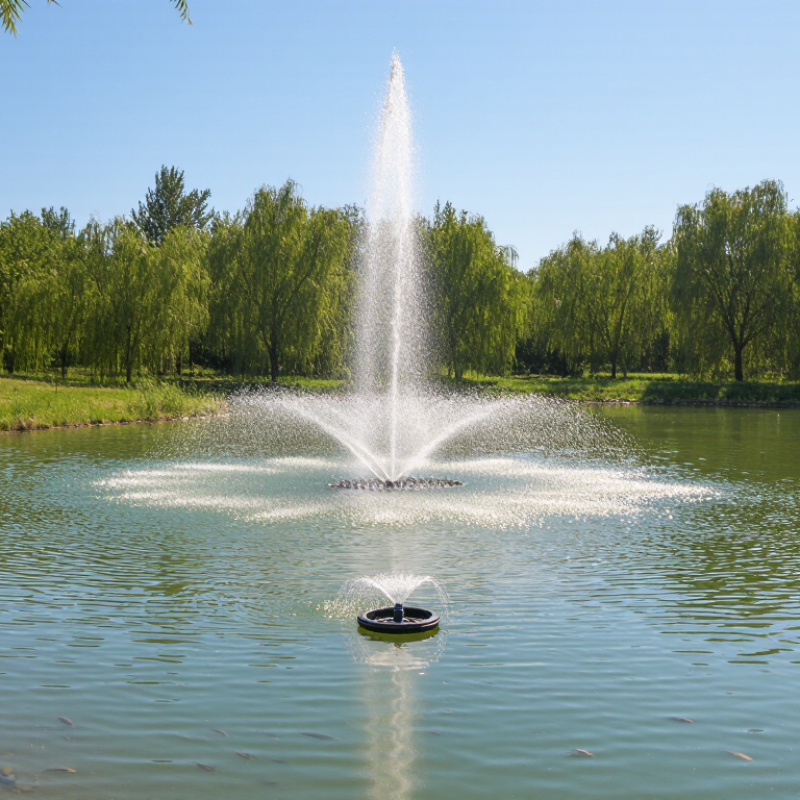
A floating fountain aerator is a water-moving device that sits on the pond surface. Its buoyant platform supports a pump, intake, and nozzle. The pump draws in pond water and sends it upward. Water then breaks into droplets or a fan-shaped spray before falling back. This movement encourages contact between water and air, while also creating visible circulation near the unit.
It is not a magic fix.
The spray mainly affects the surface and nearby water; it may not mix a deep pond evenly. Wind, pond shape, water depth, and plant growth all influence circulation. On a still morning, you may see the plume clearly, but a breeze can push it toward the bank.
The right nozzle and pump capacity depend on the pond’s size and conditions. Check the intake for leaves and inspect the float and mooring regularly. Electrical components also need suitable outdoor protection and careful installation.
A fountain can add movement and sound, but it should not replace attention to water quality or other pond-specific needs.
A floating fountain aerator pulls pond water upward and sprays it into the air. Droplets contact air, then return with added oxygen and surface movement. This can help reduce stagnant areas and support fish and beneficial microbes. On a warm morning, the difference may show as fewer still patches and less surface scum. The U.S. Environmental Protection Agency’s dissolved-oxygen guidance notes that levels below 5 mg/L can stress aquatic life; below 3 mg/L, fish may not be supported. A fountain can help, but its effect depends on pond size, depth, temperature, and organic matter.
It is not a cure-all. A surface fountain may leave deeper water poorly oxygenated, especially in a stratified pond. It also does not remove excess nutrients, so algae can return. Check dissolved oxygen at different depths and times, particularly near dawn, when levels often reach their daily low. Choose equipment sized for the pond, and monitor water clarity and fish behavior after installation. The outcome may be less dramatic than expected.
Tips: Keep intake screens clear, and avoid aiming spray toward muddy banks. Test oxygen regularly; a simple meter gives more useful evidence than appearance alone.
A floating fountain aerator can support pond health by moving water at the surface and increasing contact with air. In warm weather, this circulation may help reduce stagnant areas and support dissolved oxygen levels. Fish still need suitable water quality, and a fountain cannot replace testing or careful pond management. Small details matter. A unit that is too small for the pond may create an attractive spray but little useful circulation. Pond depth, shape, fish load, and local weather all affect performance.
The visual change is immediate: water rises in a clear plume, then spreads into ripples that catch daylight. At dusk, the moving surface can make a quiet pond feel more lively. There is a trade-off, though. Wind may scatter the spray, and floating leaves can collect around the intake, so occasional checks are worthwhile.
Not a cure-all.
In deeper ponds, surface aeration may not mix lower water layers effectively, especially during hot, still periods. A fountain is best viewed as one part of a pond-care plan, chosen to match the site rather than just the desired display.
Choosing the right floating fountain aerator starts with pond size, depth, and purpose. Measure the surface area, then check the unit’s rated coverage and flow rather than judging by spray height. A tall plume looks impressive, but it does not prove that oxygen reaches every corner. For irregular ponds, sheltered coves and dense vegetation can leave stagnant pockets. Walk the shoreline at dawn, when dissolved oxygen is often lowest, and note fish activity or sour odors. Small details matter.
Set a practical oxygen target before buying. Southern Regional Aquaculture Center guidance identifies dissolved oxygen as a critical factor in pond management; fish can become stressed when levels fall below about 3 mg/L. A handheld meter gives more useful evidence than appearance alone. Match the aerator’s capacity to pond area, depth, fish load, and seasonal heat, and consider whether surface circulation will reach deeper water. It may not. Check electrical access, cord routing, maintenance needs, and winter conditions, too. Compare manufacturer performance figures carefully, since test conditions differ. A fountain can improve circulation and appearance, but it is not a substitute for monitoring water quality.
Before installing a floating fountain aerator, check the pond’s depth, size, and bottom conditions. The unit needs enough clearance beneath it to avoid stirring sediment or striking plants. Watch the water for a day. Wind can push spray toward a bank, walkway, or nearby outlet. Position the fountain where its pattern can circulate water without soaking these areas.
Use a stable anchor suited to the pond, and keep the power cable away from sharp edges and foot traffic. Electrical connections should be weather-resistant and protected by a ground-fault circuit interrupter. Have a qualified electrician handle uncertain wiring. Follow the equipment instructions for water depth and setup; guessing can lead to poor performance or damage.
Small oversight, big nuisance.
After installation, check the spray pattern and listen for unusual vibration. A weak or uneven plume may point to a clogged intake, shifting anchor, or falling water level. Disconnect power before touching or cleaning the unit. Remove leaves and algae regularly, and inspect the cable and float for wear. Maintenance is easy to postpone.
That is the part I would reconsider.
In freezing weather, follow the manual’s storage guidance rather than assuming the unit can stay in the pond. A fountain improves surface movement, but it may not circulate every sheltered corner.