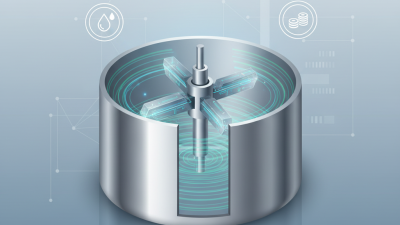
Choosing a side entry mixer is not a simple matter of comparing motor ratings. Tank diameter, liquid level, viscosity, solids content, and operating schedule all shape the result. A unit that circulates a clean, low-viscosity liquid may struggle when the tank holds settled solids or a changing batch. Details matter.
Industrial-mixing authority Paul N. Wankat is known for his work on mixing and chemical engineering. As an editorial paraphrase of a practical principle in industrial mixing: “Match the mixer to the vessel, the fluid, and the process duty.” This is not a verbatim quotation. It captures why equipment selection should start with operating conditions, not a product list.
This guide reviews the Top 10 Side Entry Tank Mixers for Industrial Tanks, comparing design considerations such as impeller arrangement, mounting position, power, seal options, and maintenance access. A technician standing beside a tank needs more than a catalog claim: they need clear information about circulation patterns, inspection intervals, and access for service. No single model suits every plant. Some trade-offs remain, and published specifications may not reflect a specific tank’s real operating conditions. Use the shortlist as a starting point, then confirm the selection with process data and the manufacturer’s engineering team.
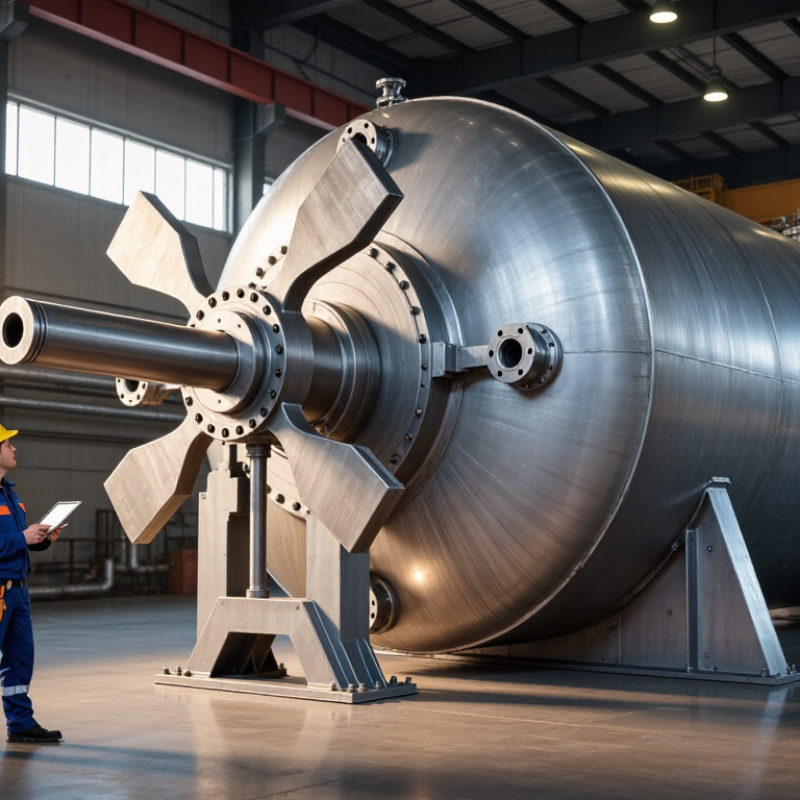
A side-entry tank mixer is fitted through a tank’s lower sidewall, with its shaft and impeller extending into the liquid. The rotating impeller pushes fluid through the tank, creating circulation that helps limit temperature differences and settling. It is not magic. Performance depends on tank geometry, liquid level, viscosity, and impeller angle. For example, a mixer mounted too high may draw air when the tank level drops. Engineers check nozzle strength, shaft support, and seal access before selecting a configuration.
In operation, the impeller’s flow pattern should reach the tank’s far side without creating excessive surface turbulence. Multiple mixers may be used in large tanks, but their positions and directions must work together. The U.S. Department of Energy’s 2014 Improving Motor and Drive System Performance sourcebook estimates that motor-driven systems account for about 70% of U.S. industrial electricity use. That figure is not specific to tank mixers, but it gives operators a reason to track motor load and operating hours. A power reading alone can still mislead: poor circulation may persist even when the motor draws power as expected. Check mixing results in the actual tank.

A side-entry mixer is more than a motor attached to a tank wall. Its main components include an electric motor, reduction gearbox, mounting flange, sealed shaft, and impeller. The gearbox sets shaft speed and torque, while the seal limits leakage where the shaft passes through the tank wall. Small details matter. Impeller materials should suit the liquid’s chemistry and cleaning routine. Check access for seal replacement before installation, not after a leak interrupts production.
A propeller-style impeller often drives axial flow along the shaft. Other blade forms may suit more viscous liquids or suspended solids. One mixer may serve a narrow tank, while larger vessels may need units at different elevations. Positioning depends on tank diameter, liquid depth, internal coils, and required circulation—not a catalog diagram alone. Easy to miss.
Shaft angle and rotation direction also shape circulation. A slight downward angle may reduce surface disturbance in some layouts, but testing is still needed. Baffles, fill level, and nearby nozzles can change flow in ways basic calculations may miss. Compare operating speed, impeller diameter, seal type, and maintenance access with actual process conditions. I would not assume the first layout is optimal; measurements may reveal a poorly mixed zone behind a support.
Selecting a side-entry mixer starts with the job, not the motor rating. Define the liquid’s viscosity at operating temperature, tank volume, fill range, and any solids that must stay suspended. A thin liquid needs a different flow pattern from a syrup-like product. Tank diameter, bottom shape, and nozzle location also affect circulation. Check that the impeller clears internal coils and ladders. Small details matter.
The U.S. Department of Energy’s 2014 motor-systems sourcebook reports that motor-driven systems account for about 68% of electricity use in U.S. manufacturing. That figure covers many applications, not mixers alone, but it highlights why operating hours and power demand belong in the selection. Compare expected power at normal and peak conditions, then confirm shaft, seal, and gearbox suitability for the duty cycle. For large storage tanks, assess whether one mixer can reach the far wall without creating a strong vortex. Baffles or a second unit may help, but they add cost and maintenance. Test the proposed flow pattern with process data or a pilot trial where possible. A calculation can look tidy and still miss the real tank. Test it.
A practical Top 10 side-entry mixer comparison should rank equipment by tank duty, not motor size alone. Check impeller diameter, speed range, shaft reach, seal design, mounting position, and expected circulation pattern. Also compare power draw, maintenance access, materials, and performance at the actual liquid level. Small details matter: a nozzle placed too high may leave a quiet zone near the tank floor. Side-entry units can suit large storage tanks, where top-entry supports are difficult to install. But they are not automatically the best choice for every vessel.
Energy deserves attention. The U.S. Department of Energy’s 2014 Improving Motor and Drive System Performance sourcebook estimates that motor-driven systems use about 68% of electricity in U.S. manufacturing. That figure covers many applications, not mixers alone, but it supports careful motor and operating-point selection. Ask suppliers for power, flow, and mixing data at your fluid’s viscosity and fill level. Verify the assumptions. A clean-water test may not represent a viscous product or a partly filled tank. Inspect seal access and vibration history, too. They can affect maintenance time over years of operation. Honestly, “top ten” is a starting point, not a universal ranking; tank geometry and process goals can change the order.
Side-entry tank mixers are useful when large tanks need steady circulation without a top-mounted drive. They commonly support fuel storage, wastewater treatment, and process tanks holding liquids that can settle or separate. In a storage tank, circulation can reduce temperature differences and help limit sludge buildup near the floor. The right duty depends on liquid viscosity, tank geometry, and the required flow pattern. A mixer that works well in one tank may perform poorly in another.
Maintenance should follow the equipment maker’s instructions and the site’s safety procedures. Inspect the shaft seal for leakage, unusual noise, or heat. Check bolts and supports for movement, especially after startup or maintenance work. When practical, compare motor current with its normal operating range; a sudden change can point to a process or mechanical issue. Do not assume every vibration is a mixer fault. Liquid level, deposits, and nearby equipment can also affect operation.
Tips: Keep a simple log of current, vibration, leakage, and inspection dates. Small changes matter. Clean deposits only with a method suited to the tank and process. Before opening or servicing equipment, isolate power and verify the tank’s required safe-work controls. Records can be imperfect, but consistent notes make trends easier to spot.
Indicative comparison of how relevant bulk circulation or solids suspension is to common applications. Scores are qualitative, not measured performance data; actual mixer selection depends on tank geometry, fluid properties, materials, and operating conditions.
Maintenance note: Check for abnormal vibration, noise, leakage, and loose mounting hardware during routine inspections. Lubrication, seal servicing, and inspection intervals vary by mixer design and service conditions; follow the equipment manual.