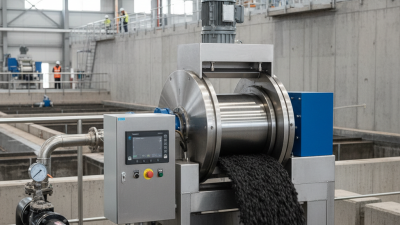
How to Choose the Best Tank Agitators for Your Needs?
Choosing the right tank agitators can seem daunting. Many factors come into play. According to industry expert Dr. Emily Carter, “The right agitation can make or break your process efficiency.” Her insight highlights the importance of selecting the best equipment for your specific needs.
Tank agitators are crucial in various industries. They enhance mixing, ensure product uniformity, and optimize chemical reactions. However, not all agitators are created equal. Each application demands unique considerations in design and functionality. You might find yourself hesitating between options, unsure of what truly matters.
Think about the viscosity of your materials, the tank shape, and the desired mixing patterns. These aspects directly impact performance and output. Reflect on your current setup. Are your tank agitators performing efficiently? Identifying areas for improvement can lead to significant advancements. The right choice can save time and reduce costs in the long run.

Understanding Different Types of Tank Agitators and Their Applications
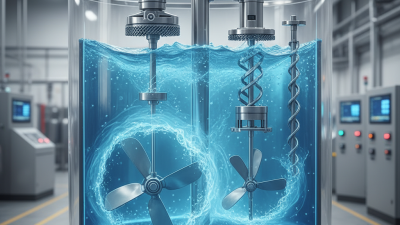
When selecting tank agitators, understanding their various types and applications is crucial. Different processes require specific agitator designs to optimize performance. For instance, mechanical agitators like axial and radial flow types mix fluids effectively. Axial flow agitators create a downward flow, suitable for blending and suspending solids. Radial flow agitators, with their sideward movement, are excellent for dispersion and achieving homogeneity.
Data from industry reports indicate that 70% of mixing applications benefit significantly from using the proper type of agitator. However, selecting the wrong one can lead to inefficiencies and increased operational costs. For example, using a high-shear agitator in a low-viscosity application might cause unnecessary energy consumption and damage to sensitive materials. Often overlooked, the agitator's material construction is equally important, as it affects durability and chemical compatibility.
In some situations, companies might find it challenging to balance cost and performance. A cheaper agitator option could save money upfront but may cause issues down the line, such as increased maintenance or frequent replacements. Evaluating the total cost of ownership is essential when selecting an agitator. An effective agitator should enhance process efficiency, ensuring better product quality while minimizing waste.
Key Factors to Consider When Selecting Tank Agitators for Specific Processes
Choosing the right tank agitator involves several key factors. Understanding your specific process is crucial. Think about the fluid's viscosity and density. These characteristics influence the agitation needed. For instance, thick fluids may require a powerful agitator. In contrast, lighter fluids need less energy.
The tank's geometry also plays a critical role. Height and diameter impact flow patterns and mixing efficiency. A poorly designed system may lead to ineffective mixing. Consider how the agitator will be positioned as well. Over-the-top or mounted agitators can produce different results.
Material compatibility is another essential factor. Aggressive chemicals may require specialized materials. Ensure that the agitator can withstand the environment. This prevents early wear and failures, which can be costly. Sometimes, companies overlook maintenance needs. Regular checks can help avoid unexpected breakdowns. Start with these essentials to guide your choice for optimal performance.
Evaluating Agitation Speed and Its Impact on Mixing Efficiency
Agitation speed plays a crucial role in determining mixing efficiency in tank agitators. An optimal agitation speed can enhance the distribution of components and ensure uniformity in mixtures. According to industry reports, increasing agitation speed can lead to a significant improvement in mixing times. For instance, speeds exceeding 500 RPM often result in a 30% reduction in mixing times compared to lower speeds.
However, higher speeds aren't always advantageous. Excessive agitation can introduce unwanted turbulence, which might cause damage to fragile components. It’s essential to strike a balance. Experts recommend varying the speed based on the specific materials being mixed. For viscous liquids, lower speeds can be more effective, preserving product integrity while still achieving adequate mixing.
Additionally, the impact of agitation speed on energy consumption is noteworthy. Studies suggest that optimizing speed can lead to a 25% reduction in energy costs. Inconsistencies in mixing efficiency are often related to shortcomings in speed selection. Thus, an evaluation of specific tank requirements and material properties is vital to ensure ideal agitation conditions.
Material Compatibility and Maintenance Requirements of Agitators
In the process of selecting the best tank agitators, material compatibility and maintenance are crucial factors. Many applications require specific materials. For example, 70% of mixers operate in environments that involve corrosive substances. Hence, stainless steel is often favored. However, certain polymers might be better for specific materials, such as food-grade applications.
Maintenance can be a hidden challenge. A study from the Mixing Technology Association indicates that insufficient maintenance can reduce agitator efficiency by up to 30%. Regular inspection of seals and bearings is essential. It's often overlooked, yet this step can extend the lifespan of the agitator significantly. Professional advice greatly aids in selecting the right materials.
Tip: Always consult a material compatibility chart before finalizing your agitator. Evaluate the substances involved carefully. Keeping maintenance records can also enhance reliability. Understanding your process requirements helps avoid costly mistakes down the road.
Industry Standards and Compliance for Tank Agitation Equipment
When selecting tank agitators, compliance with industry standards is crucial. The equipment must meet specific regulations to ensure safety and efficiency. Familiarizing yourself with these standards helps you avoid costly mistakes. Many industries have unique requirements based on the contents of the tank. For instance, food and pharmaceutical sectors may demand more stringent guidelines.
Understanding the compliance landscape is key. Organizations often issue guidelines related to materials, construction, and performance. It can be challenging to keep up with these evolving standards. Regular training for staff ensures everyone is aware of current regulations. Consulting with experts can clarify compliance complexities that may arise.
It's important to recognize that not all agitators are created equal. Each design option has pros and cons. During your evaluation, consider the specific needs of your process. Will a high shear or low shear agitator work best? Both choices can impact product quality significantly. Careful consideration of these factors can lead to better operational efficiency. The right agitator can reduce waste and enhance productivity.
How to Choose the Best Tank Agitators for Your Needs? - Industry Standards and Compliance for Tank Agitation Equipment
| Agitator Type |
Material Compatibility |
Power Requirements (HP) |
Tank Volume (Gallons) |
Applications |
Compliance Standards |
| Mechanical Agitator |
Water-Based Fluids |
2-10 HP |
100-1000 |
Mixing, Homogenizing |
ISO 9001 |
| Magnetic Drive Agitator |
Corrosive Chemicals |
1-5 HP |
50-500 |
Chemicals, Pharmaceuticals |
CE Marking |
| Air-Driven Agitator |
Food Products |
3-7 HP |
200-2000 |
Food Processing |
FDA Compliance |
| Hydraulic Agitator |
Heavy Oils |
5-15 HP |
500-5000 |
Oil and Gas |
ASTM Standards |
| Ultrasonic Agitator |
Biotechnology Solutions |
1-2 HP |
1-100 |
Emulsification, Dispersion |
FDA Compliance |