Leave Your Message

What Are the Top 10 Paddle Wheel Mixer Types?

Choosing the right Paddle Wheel Mixer begins with understanding how each design moves, folds, and distributes material.

Inside a feed mill, wastewater plant, or chemical facility, paddle angles can change the entire mixing pattern. A slow shaft may protect fragile ingredients. A faster one may improve dispersion but increase energy use. Small details matter.

Dr. Edward L. Paul, a respected industrial mixing authority and co-editor of Handbook of Industrial Mixing, stated, “Mixing is the process of reducing or eliminating nonuniformities in a system.” This principle explains why equipment selection requires more than comparing motor sizes or tank capacities.

This guide examines the top 10 Paddle Wheel Mixer types used across modern processing operations. It considers horizontal paddle mixers, twin-shaft systems, continuous mixers, batch mixers, and specialized designs. Each type has practical strengths and visible limitations.

Some models create gentle movement. Others deliver stronger shear and faster blending. The difference appears in moisture distribution, residence time, cleaning effort, and maintenance access.

Performance depends on the material.

Dry powders behave differently from wet sludge, feed ingredients, or sticky industrial compounds. A mixer that performs well in one facility may disappoint in another. That uncomfortable truth is often overlooked.

The following comparisons focus on working principles, common applications, capacity, energy demand, and operating concerns. They also recognize an important weakness: no single mixer suits every process. Real results depend on testing, installation quality, and careful adjustment.

What Are the Top 10 Paddle Wheel Mixer Types?

Understanding Paddle Wheel Mixer Design and Operation

Paddle wheel mixers are built around a simple idea: rotating paddles move material through a controlled mixing zone. Their design changes with product density, moisture, and required blending time. The ten common types include single-shaft, twin-shaft, horizontal, vertical, co-rotating, counter-rotating, fixed-paddle, adjustable-paddle, continuous, and batch paddle wheel mixers.

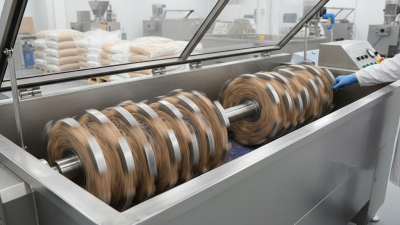
A single-shaft model suits moderate blending duties and has a relatively simple drive system. Twin-shaft designs create stronger cross-flow movement, which helps process heavier or uneven materials. Horizontal mixers are easy to load and inspect, while vertical units use gravity during circulation. Co-rotating shafts encourage steady product movement. Counter-rotating shafts create more shear and can break weak agglomerates. That difference matters.

Fixed paddles offer stable operation and fewer adjustment points. Adjustable paddles provide better control when the formulation changes, although they require careful setup. Continuous mixers accept a steady feed and discharge material without frequent stops. Batch mixers hold a measured quantity, giving operators more control over mixing time and moisture addition.

In practice, paddle angle controls forward movement, while shaft speed affects shear and residence time. Excessive speed may damage fragile particles or increase dust. Low speed can leave dry pockets near the walls. Operators should check clearance, wear, fill level, and discharge gates during routine inspections. Clean surfaces matter. A small buildup can alter flow patterns.

No design is perfect. A mixer that performs well with damp material may struggle with a dry, cohesive blend. Testing with the actual material remains essential, because published capacity figures rarely reveal every operating limitation.

Classifying the Ten Main Paddle Wheel Mixer Types

What Are the Top 10 Paddle Wheel Mixer Types?

Classifying the Ten Main Paddle Wheel Mixer Types

Paddle wheel mixers are classified by shaft layout, paddle geometry, operating mode, and material flow. This practical system identifies ten common types: single-paddle, twin-paddle, multi-paddle, horizontal, vertical, inclined, continuous, batch, paddle-ribbon hybrid, and paddle-plow hybrid mixers. Some categories overlap. That is normal.

Single-paddle mixers suit gentle blending, while twin-paddle models improve turnover in dense powders. Multi-paddle designs handle larger working volumes. Horizontal mixers provide steady bed movement, whereas vertical units save floor space. Inclined mixers help gravity-assisted discharge. Continuous models support stable production rates, while batch mixers offer better recipe control. Hybrid paddle-ribbon and paddle-plow machines target sticky or uneven materials.

Grand View Research reported that the global industrial mixers market was valued at approximately USD 7.1 billion in 2023. MarketsandMarkets also projects continued growth through 2028, driven by food, chemical, pharmaceutical, and waste-processing applications. These figures do not isolate paddle wheel equipment, but they show the wider demand for controlled mixing. In practice, selection depends on bulk density, moisture, shear sensitivity, and cleaning access. A high-speed paddle is not automatically better. I have seen operators overlook discharge time, then lose production capacity between batches. Testing with real material remains essential.

What Are the Top 10 Paddle Wheel Mixer Types?

Comparative classification of the ten main paddle wheel mixer types by typical suitability for handling bulk solids.

The suitability score uses a comparative 1–5 engineering scale based on common mixer configurations, operating modes, and their typical ability to process powders, granules, pastes, or cohesive materials. Actual performance depends on material properties, fill level, residence time, paddle geometry, and operating speed.

Comparing Mixing Principles, Strengths, and Limitations

What Are the Top 10 Paddle Wheel Mixer Types?

Paddle wheel mixers differ mainly in shaft layout, motion, speed, and discharge design. The ten useful types are single-shaft, twin-shaft, double-paddle, counter-rotating, co-rotating, horizontal batch, continuous, vertical, high-speed, and low-speed paddle mixers. Single-shaft models offer gentle blending for powders and granules. Twin-shaft machines create stronger circulation and shorter mixing cycles. Double-paddle units handle fragile materials with limited shear. Counter-rotating shafts improve lifting and turnover. Co-rotating shafts usually provide smoother, more predictable movement. Horizontal batch mixers are practical when recipes change often. Continuous mixers support steady production but demand accurate feeding. Vertical designs save floor space, although dead zones may appear near the vessel wall. High-speed paddles disperse agglomerates rapidly. Low-speed paddles protect delicate particles and reduce heat.

Mixing principles reveal the real trade-off. Strong turbulence can shorten residence time, but it may increase particle damage, dust, or segregation. That detail is easy to miss. Grand View Research reported that the global industrial mixers market was valued at about USD 7.7 billion in 2023, with continued growth expected through 2030. This broader figure includes several mixer technologies, not paddle machines alone. A 2024 Research and Markets analysis also identified automation, continuous processing, and energy efficiency as important equipment trends. In practical trials, moisture level, fill ratio, paddle clearance, and discharge speed often matter more than advertised motor power. The “best” type is therefore conditional. Even experienced engineers can select poorly when laboratory behavior is copied directly into full-scale production. Testing remains necessary.

Matching Each Mixer Type to Materials and Applications

What Are the Top 10 Paddle Wheel Mixer Types?

Matching a paddle wheel mixer to the material starts with moisture, density, and flow behavior. A single-shaft paddle mixer suits powders, grains, and dry mineral blends. A twin-shaft mixer handles heavier loads and improves contact between coarse particles. A double-paddle design works well for fertilizers, animal feed, and moderately cohesive mixtures. For sticky compounds, counter-rotating paddles can reduce dead zones and improve turnover. They need careful clearance control.

Horizontal paddle mixers are practical for batch production. They allow easy loading, inspection, and discharge. Vertical paddle mixers save floor space and suit smaller batches, powders, and premixes.

Intermeshing paddle mixers create strong shear for damp solids and paste-like materials. Non-intermeshing designs are gentler, making them useful for fragile granules, seeds, and coated particles. Continuous paddle mixers support steady processing of uniform feed materials. They are often selected for grain conditioning, wastewater treatment media, and dry construction blends. Batch paddle mixers offer better recipe control for changing formulations.

Material sensitivity changes the decision. A low-speed paddle wheel protects delicate pellets, while a higher-speed unit disperses minor ingredients faster. Abrasive sand or mineral powder may require reinforced contact surfaces. Sticky materials can build on paddles, even when the mixer appears powerful enough. That problem is easy to underestimate.

In my experience, laboratory trials reveal more than capacity charts. Test moisture, residence time, discharge behavior, and cleaning effort before selection. A technically suitable mixer can still perform poorly if the inlet, outlet, or filling level is mismatched.

Evaluating Capacity, Efficiency, Maintenance, and Selection Factors

What Are the Top 10 Paddle Wheel Mixer Types?

Paddle wheel mixers vary by shaft layout, movement, and operating mode. The ten practical types are single-shaft, twin-shaft, multi-shaft, co-rotating, counter-rotating, batch, continuous, high-shear, paddle-ribbon hybrid, and plow-paddle hybrid mixers. Single-shaft units suit gentle blending, while twin-shaft designs improve coverage and shorten mixing cycles. Counter-rotating paddles can manage sticky materials, although their drive systems may require more careful alignment.

Capacity should match bulk density, moisture, and usable fill volume. A 1,000-liter vessel does not always process 1,000 liters effectively. Many operators keep working volume near 60–80% to preserve movement and reduce dead zones. The U.S. Department of Energy reports that motor-driven systems can represent about 69% of industrial electricity use. Therefore, paddle speed, gearbox efficiency, and batch time deserve close attention, not just motor size. Continuous mixers can reduce labor, but batch systems offer better recipe control.

Maintenance requirements also shape the real cost. Inspect seals, bearings, paddles, and discharge gates at planned intervals. Abrasive powders may wear paddle edges faster than expected. This is where selection becomes less certain. A high-shear model may solve poor dispersion but create unnecessary heat or product damage. The European Commission’s food-industry best-practice guidance emphasizes hygienic design, cleanability, and minimized residue retention. Ask for measured cycle data, power consumption, and cleanout time. Small details matter. A supplier’s laboratory result may not represent your uneven feed material, so pilot testing remains the safer decision.

What Are the Top 10 Paddle Wheel Mixer Types? — Evaluating Capacity, Efficiency, Maintenance, and Selection Factors
Rank Paddle Wheel Mixer Type Typical Working Capacity Recommended Fill Level Typical Mixing Time Mixing Efficiency Maintenance Profile Best-Suited Materials or Applications Key Selection Factors
1 Twin-Shaft Horizontal Paddle Mixer 0.5–20 m³ per batch 30–70% of gross volume 1–5 minutes for many free-flowing solids Very high Moderate; inspect paddles, shaft seals, bearings, and wear liners regularly Powders, granules, aggregates, animal feed, fertilizers, and premixes High homogeneity, short cycle time, required batch size, dust control, and discharge speed
2 Single-Shaft Horizontal Paddle Mixer 0.2–12 m³ per batch 30–65% of gross volume 2–8 minutes High Moderate; fewer moving components than twin-shaft designs, but shaft seals need attention Dry powders, granules, soil amendments, food ingredients, and chemical blends Available floor space, required uniformity, batch size, material abrasiveness, and budget
3 Counter-Rotating Twin-Paddle Mixer 0.3–15 m³ per batch 35–70% of gross volume 1–4 minutes Very high Moderate to high; two drive trains and multiple seals increase inspection points Cohesive powders, difficult-to-fluidize blends, moisture-conditioned products, and dense granules Shear requirement, resistance to segregation, torque demand, cleaning access, and power availability
4 Continuous Paddle Mixer 5–200 t/h, depending on material and design Usually operated at a controlled trough loading rather than batch fill percentage 15–90 seconds residence time High Moderate; inspect paddles, liners, inlet controls, seals, and discharge gates while running scheduled checks High-throughput blending, fertilizer, minerals, biomass, feed, and construction materials Steady feed accuracy, residence-time control, throughput, moisture consistency, and process integration
5 Vertical Paddle Mixer 0.1–8 m³ per batch 40–80% of gross volume 3–15 minutes Medium to high Low to moderate; generally compact, though bottom bearings and discharge mechanisms require inspection Small-to-medium batches, powders, granules, premixes, and facilities with limited floor space Building height, loading method, discharge performance, segregation risk, and cleaning requirements
6 Paddle Mixer with Liquid Injection 0.5–15 m³ per batch 30–65% of gross volume 2–10 minutes, depending on liquid dosage High Moderate to high; spray nozzles, piping, seals, and buildup zones need routine cleaning Moisture conditioning, agglomeration, coating, dust suppression, and binder-assisted mixing Liquid distribution, nozzle design, viscosity, corrosion resistance, cleanability, and buildup control
7 Heavy-Duty Abrasion-Resistant Paddle Mixer 0.5–20 m³ per batch 25–65% of gross volume 2–10 minutes High Moderate; replaceable liners and paddles reduce downtime but require planned wear inspections Sand, gravel, cementitious blends, minerals, recycled materials, and abrasive powders Wear rate, liner material, torque reserve, impact loading, service access, and spare-part availability
8 Sanitary or Hygienic Paddle Mixer 0.1–10 m³ per batch 25–60% of gross volume 2–12 minutes High Moderate; smooth welds, accessible seals, and washdown-compatible construction simplify sanitation Food ingredients, nutraceuticals, pharmaceuticals, and other contamination-sensitive products Surface finish, clean-in-place capability, validated cleaning, allergen control, and material compatibility
9 Vacuum Paddle Mixer 0.1–10 m³ per batch 25–60% of gross volume 5–30 minutes, depending on drying or deaeration duty Medium to high High; vacuum seals, filters, condensers, and pressure-rated components require additional checks Heat-sensitive powders, drying, deaeration, solvent removal, and moisture-sensitive products Vacuum level, vapor handling, temperature control, seal design, explosion protection, and cycle time
10 Laboratory or Pilot-Scale Paddle Mixer 5–500 L per batch 25–70% of gross volume 2–20 minutes Medium to high Low to moderate; compact components are accessible, but small clearances demand careful cleaning Product development, scale-up testing, formulation trials, quality control, and small specialty batches Scale-up similarity, interchangeable tools, data logging, sample recovery, cleaning time, and repeatability
Capacity, mixing time, fill level, and throughput are representative engineering ranges. Actual performance depends on bulk density, particle size, moisture, cohesiveness, abrasiveness, recipe variability, paddle geometry, motor power, and required uniformity.