Top 10 Advantages of Shaftless Conveyors for Global Buyers?
Shaftless Conveyors have transformed material handling by eliminating the need for traditional shafts. According to a recent report by the Material Handling Industry of America, the global market for conveyors is expected to grow by 4.8% annually. This trend reflects the increasing demand for efficient and space-saving solutions.
Experts like Dr. Jane Thompson, a leading authority in conveyor technology, state, “Shaftless Conveyors significantly reduce maintenance costs and increase operational flexibility.” This technology allows companies to streamline their processes while minimizing downtime. The advantages are compelling. They can handle various materials, and their design minimizes the risk of material damage.
However, some companies remain hesitant about initial investment costs. This concern often leads to missed opportunities for operational efficiency. As the industry evolves, recognizing the benefits of Shaftless Conveyors becomes essential for businesses aiming to stay competitive.
Advantages of Flexibility and Versatility in Shaftless Conveyors
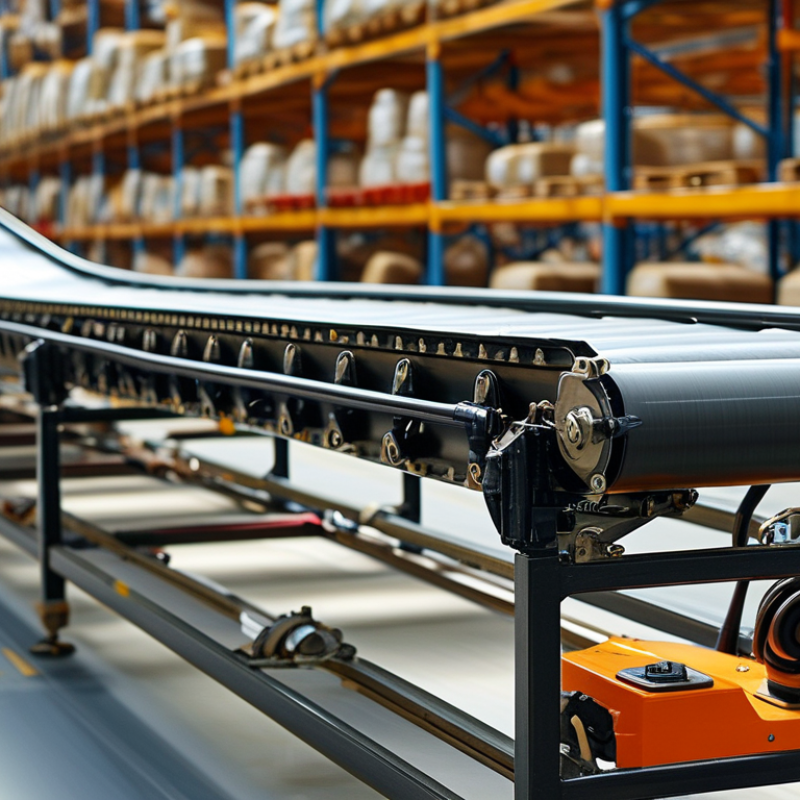
Shaftless conveyors offer remarkable flexibility and versatility, making them a preferred choice across various industries. These systems can transport a variety of materials, such as bulk products, with ease. They adapt well to different layouts, accommodating intricate paths without compromising efficiency. This adaptability proves essential in environments where space is limited.
Moreover, the modular design of shaftless conveyors allows for customized solutions. Buyers can easily modify systems to fit specificapplication requirements. For instance, adjusting the conveyor's length or integrating multiple sections can create seamless operations in complex facilities. However, this flexibility may pose challenges in terms of installation and maintenance, requiring skilled operators to ensure optimal performance.
The operational versatility of shaftless conveyors allows for handling diverse materials, from fragile items to heavy bulk loads. Yet, this capability demands regular monitoring to avoid potential breakdowns. While users appreciate the benefits, they should be aware of the system's maintenance needs. Proper training and knowledge become crucial for effective utilization, ensuring that the advantages of these conveyors are fully realized.
Top 10 Advantages of Shaftless Conveyors for Global Buyers
| Advantage |
Description |
Application |
| Flexibility |
Can adapt to various layouts and designs with ease. |
Food processing, packaging. |
| Versatility |
Suitable for a wide range of materials and industries. |
Mining, recycling. |
| Reduced Maintenance |
Fewer moving parts lead to lower maintenance needs. |
Manufacturing. |
| Increased Safety |
Lower risk of injury due to lack of exposed moving parts. |
Warehouse operations. |
| Space Efficiency |
Compact design allows for better use of available space. |
Production lines. |
| Cost-Effectiveness |
Lower installation and operational costs over time. |
Various industries. |
| Gentle Handling |
Reduces the risk of damage to delicate materials. |
Pharmaceuticals, food. |
| Environmentally Friendly |
Energy-efficient operation with less waste. |
Eco-conscious industries. |
| Modular Design |
Easily expandable and customizable based on needs. |
Industrial applications. |
| Hygienic Design |
Easier to clean and maintain sanitary conditions. |
Food processing, pharmaceutical. |
Enhanced Efficiency and Reduced Maintenance Costs of Shaftless Conveyors
Shaftless conveyors provide significant efficiency improvements in various industries. According to a report from the Conveyor Equipment Manufacturers Association, these systems can increase throughput by up to 30%. This boost is primarily due to their unique design. Without a central shaft, materials can flow freely and continuously. This design reduces the risk of jams and delays, leading to enhanced operational efficiency.
Maintenance costs are another critical advantage. Research indicates that shaftless conveyors have a 40% lower maintenance requirement than traditional systems. The absence of shafts means fewer components are subject to wear. If a part fails, repairs are typically simpler and quicker. This reduction in downtime is vital for operations that rely on uninterrupted productivity.
However, the initial investment could be higher. Buyers must weigh this against long-term savings. It's crucial to ensure specific applications align with the technology's advantages. Reflection on these factors can aid decision-making in equipment selection. Balancing upfront costs with potential savings over time is essential for optimal resource allocation.
Top 10 Advantages of Shaftless Conveyors
This chart illustrates the benefits of using shaftless conveyors, highlighting their enhanced efficiency and reduced maintenance costs compared to traditional conveyor systems. The data represents various performance metrics across a range of industries.
Improved Safety Features for Operators Using Shaftless Conveyors
Shaftless conveyors offer significant advantages, particularly in enhancing safety features for operators.
The absence of a traditional shaft reduces the risk of pinch points. This design prevents common accidents associated with conventional conveyor systems. Operators can navigate around these systems with less danger.
Another safety feature is the enclosed design of shaftless conveyors. Loose materials and debris cannot escape, minimizing tripping hazards. This ensures a cleaner work environment. Additionally, these conveyors often include emergency stop systems. Operators can quickly halt the system in case of an emergency, providing peace of mind.
These technological advancements should not overshadow the need for training. Operators must be educated about potential risks. Awareness of proper operation techniques is crucial. While shaftless conveyors enhance safety, human error remains a factor. Continuous monitoring and adjustment of safety protocols are essential for maintaining a secure workplace. Balancing innovation with education leads to a safer operational environment.
Environmental Benefits of Shaftless Conveyors in Material Handling
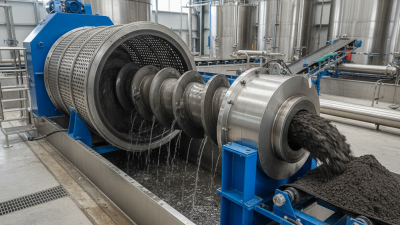
Shaftless conveyors are gaining attention for their environmental benefits in material handling. These systems eliminate the traditional shaft, reducing the overall energy consumption. This efficiency translates to lower carbon emissions, making them a sustainable choice. Companies looking to innovate should consider this green technology for their operations.
Another significant advantage is the reduction of waste. Shaftless conveyors can handle various materials without the need for additional components that often become waste. This efficiency not only cuts down on material waste but also minimizes maintenance costs. Such benefits can enhance a company's sustainability profile.
Tip: When exploring options, prioritize energy-efficient machinery. It's crucial to assess long-term impacts rather than just upfront costs. Engage with experts who understand unique operational needs. Make informed choices that align with sustainability goals while meeting business objectives. Regular evaluation of equipment utility can lead to better resource use over time.
Cost-Effectiveness of Shaftless Conveyors for Global Buyers
Shaftless conveyors have gained popularity among global buyers. Their cost-effectiveness is a major benefit. Without a central shaft, these conveyors reduce maintenance costs significantly. They are designed to handle various materials efficiently. The absence of a shaft allows for a more straightforward installation process, cutting labor and time expenses.
Consider the potential savings. Investing in shaftless conveyors can lead to lower operational costs over time. With their simplicity, they often require less space. This can be crucial for facilities with limited room. Additionally, they can adapt easily to different layouts, minimizing the need for significant infrastructural changes.
Tips: When assessing cost-effectiveness, analyze the total cost of ownership. This includes maintenance, installation, and energy consumption. Think about your specific needs. While shaftless conveyors have advantages, they may not suit every application. Regular reviews can aid in optimizing performance and identifying potential areas for improvement.