Top Tips for Choosing the Best Floating Pond Aerator?
When selecting a Floating Pond Aerator, expertise matters. Renowned aquatic ecosystem specialist Dr. Emily Carter notes, "The right aerator can transform your pond." Aeration is essential for maintaining water quality and supporting aquatic life. Choosing the best aerator can be complicated due to the many options available.
Considerations include the size of your pond and the specific needs of its ecosystem. A well-chosen Floating Pond Aerator will enhance oxygen levels, leading to healthier fish and vibrant plant life. However, the choices can overwhelm even the most experienced pond owner. It's critical to balance efficiency, cost, and functionality.
Many users overlook maintenance needs, which affects aerator performance. An effective aerator should not only fit your pond's size but also require manageable upkeep. Acknowledging these factors will guide you to better decisions. By embracing expert insights and recognizing your pond's unique requirements, you can elevate the health and beauty of your pond.
Understanding the Importance of Pond Aeration for Aquatic Health
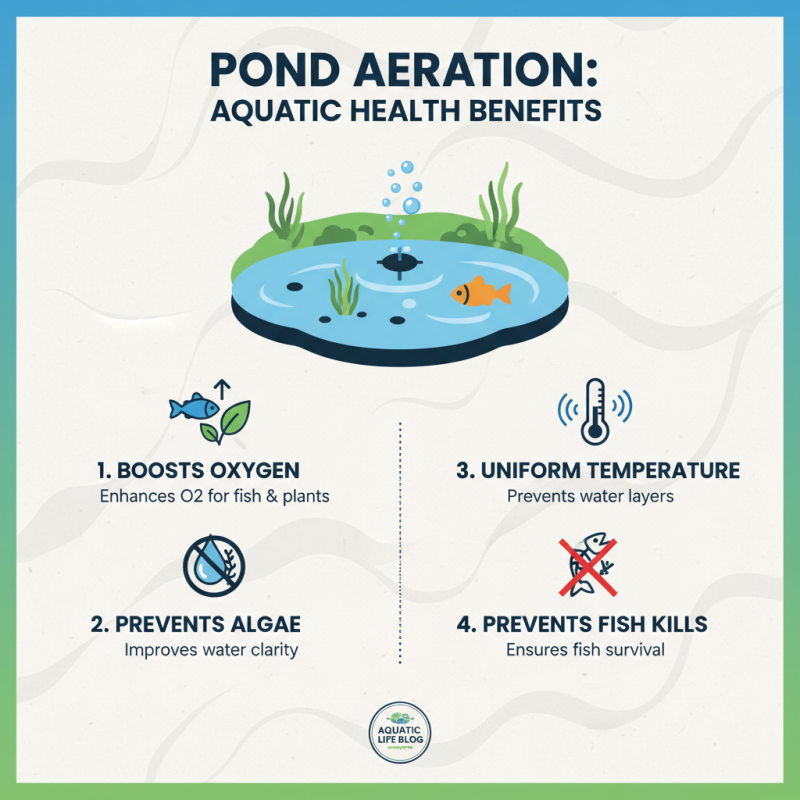
Pond aeration plays a vital role in maintaining aquatic health. It enhances oxygen levels, benefiting fish and plants. Healthy oxygen levels prevent algae blooms and improve water clarity. Without proper aeration, ponds may face serious issues like fish kills. Aerators not only provide oxygen but also stir the water. This movement prevents stratification and encourages even temperature distribution.
When selecting a floating pond aerator, consider the pond's size and depth. Choose one that offers adequate coverage. Make sure it is energy-efficient, as you will need it running for long periods. Check the noise level too. Some models can be disruptive to wildlife and nearby homes.
Monitor the aerator's performance regularly. Look for changes in water clarity and aquatic life health. Adjust its operation or maintenance as necessary. Don't hesitate to reconsider your choice if you notice undesired effects. Observing your pond's ecosystem can lead to better aeration solutions and ultimately, a healthier environment.
Types of Floating Pond Aerators and Their Features
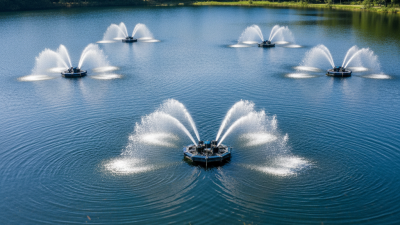
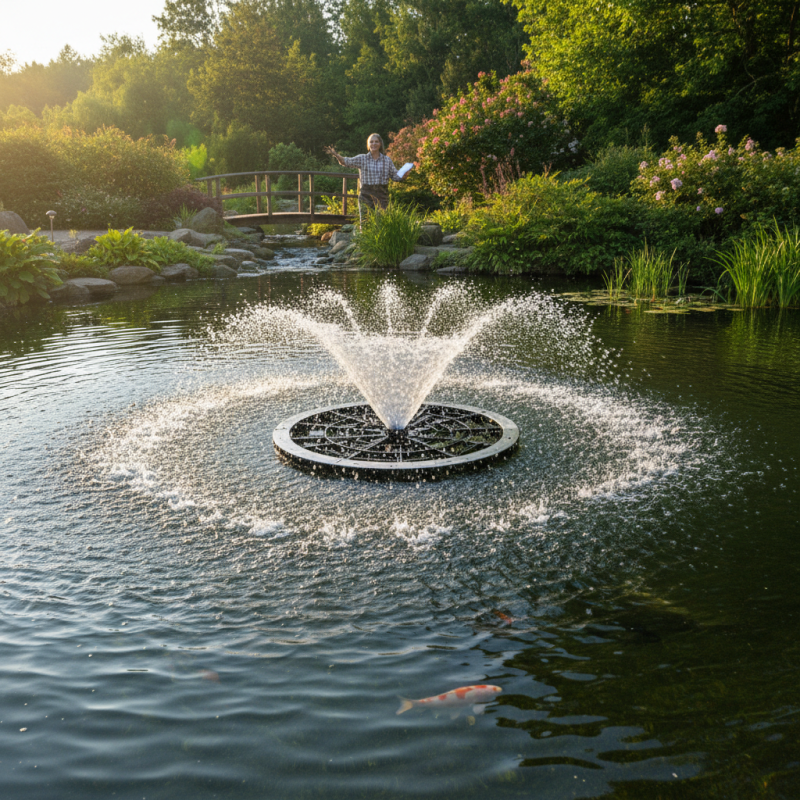
Floating pond aerators are essential for maintaining healthy aquatic ecosystems. Understanding the types and features of these devices is crucial. There are two main types: surface aerators and submerged aerators. Surface aerators like propeller-type aerators agitate the water's surface, promoting air exchange. Submerged aerators use diffusers to release air bubbles below the surface. This method enhances oxygen distribution deep in the water.
When choosing an aerator, consider flow rate and energy efficiency. Reports show that efficient aerators can increase oxygen levels by up to 80%. A well-chosen unit can prevent algae blooms and improve fish habitats. Look for models with adjustable output, which aid in optimizing performance. A common issue is choosing an aerator that is either too powerful or too weak. This can lead to ineffective aeration or excessive energy costs.
The design and materials of the aerator also matter. Durable, UV-resistant materials enhance longevity in outdoor conditions. Some anglers claim lighter models are easier to handle, but they may lack stability. It's a reminder to prioritize stability and effectiveness over convenience. Each pond is unique, and selecting the right type requires careful consideration of these factors.
Top Tips for Choosing the Best Floating Pond Aerator
This chart illustrates important features to consider when choosing a floating pond aerator. The dimensions include airflow rate, energy efficiency, noise level, durability, and warranty. Understanding these features helps in making an informed choice for optimal pond management.
Key Factors to Consider When Selecting a Floating Pond Aerator
When selecting a floating pond aerator, consider the size of your pond. The aerator must match the pond's volume to be effective. A unit too small won't supply enough oxygen. Conversely, an oversized aerator can create currents that may harm aquatic life. Knowing the size helps ensure you choose accordingly.
Another key factor is the energy efficiency of the aerator. Look for models that use minimal power while providing maximum output. This aspect not only saves money but also reduces your environmental impact. It’s worth reflecting—do you really need high power? Or will a mid-range unit suffice?
Finally, pay attention to maintenance requirements. Some aerators require frequent upkeep, while others boast a more hands-off approach. Assess your willingness to perform maintenance. If you prefer a simple, low-maintenance option, that should guide your decision. Choosing the right aerator isn’t always straightforward. Consider these factors carefully to find the best fit for your pond’s needs.
Top Tips for Choosing the Best Floating Pond Aerator
| Tip |
Description |
Key Factor |
| Consider the Size of Your Pond |
Choose an aerator that can handle the volume of water in your pond. |
Volume Requirement |
| Evaluate Power Source |
Decide if you prefer electric, solar, or gas-powered options based on availability and cost. |
Power Type |
| Check Aeration Rate |
Look for models that provide sufficient aeration for your pond's needs. |
Aeration Efficiency |
| Look for Durability |
Select products made of high-quality materials that withstand outdoor conditions. |
Material Quality |
| Assess Noise Level |
Choose quieter models to avoid disturbing the tranquility of your pond. |
Operational Noise |
| Consider Maintenance |
Look for models that are easy to maintain for prolonged use. |
Ease of Maintenance |
Maintenance Tips to Ensure Longevity of Your Aerator
To ensure your floating pond aerator lasts, regular maintenance is essential. Clean the aerator frequently to avoid clogging. Debris can build up quickly, reducing efficiency. Consider checking it every few weeks, especially during peak algae growth seasons.
Another vital tip is to inspect the power source. Ensure all connections are secure and free from damage. Use a surge protector to safeguard against voltage spikes. Small oversights can lead to costly repairs or replacements.
Don't ignore the check-ups on the aerator’s components. Look for wear and tear on the hoses and diffusers. Replace any frayed parts promptly. These small maintenance steps can greatly enhance the lifespan of your aerator, helping you maintain a healthy pond ecosystem.
Budgeting for Your Floating Pond Aerator Purchase and Operation
When considering a floating pond aerator, budgeting plays a crucial role. Aerators can range from a few hundred to several thousand dollars. According to a market report, the average cost of floating pond aerators is around $750. This figure covers both initial purchase and installation costs.
Ongoing operational costs are also significant. Electricity consumption is a key factor in this expense. Many aerators use about 400-500 watts, leading to monthly electricity bills of approximately $40 to $50. Maintenance is another factor. Annual servicing can add an extra $100 to $200, depending on the components.
In addition to financial concerns, consider the environmental impact. Efficient aeration can reduce algae growth, improving water quality. However, inefficient models can waste energy, counteracting these benefits. Balancing upfront costs with long-term efficiency is vital. A thorough assessment of both purchase price and operational costs can lead to a more informed decision.