Best Portable Tank Agitator Solutions for Your Needs?
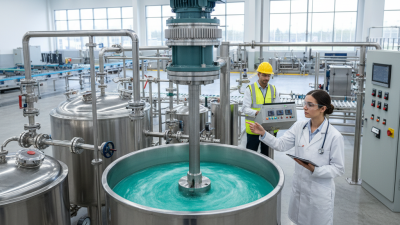
In today's industrial landscape, choosing the right Portable Tank Agitator can significantly influence productivity. Recent industry reports reveal that effective mixing solutions can boost efficiency by up to 30%. Understanding the specific needs of your process is crucial. Not all agitators are created equal; factors like tank size, viscosity, and material compatibility matter.
The demand for Portable Tank Agitators has surged, driven by their versatility across various sectors, including chemical processing, food production, and pharmaceuticals. This versatility allows for customization, ensuring users can meet their precise requirements. However, selecting an agitator without thorough research can lead to suboptimal results. Missteps often occur due to a lack of knowledge about the agitation dynamics involved.
Experts emphasize that investing in the right technology is essential for long-term success. Inefficient mixing not only wastes resources but can also impact product quality. As industries evolve, so will agitation methods. Keeping abreast of advancements will empower businesses to make informed choices. The journey to find the optimal Portable Tank Agitator begins with understanding your unique challenges.
Understanding Portable Tank Agitators: A Comprehensive Overview
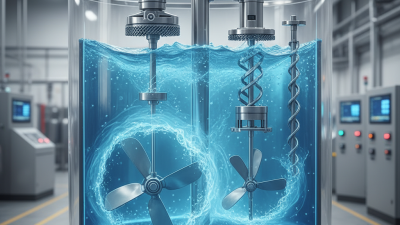
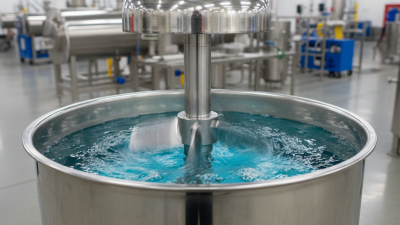
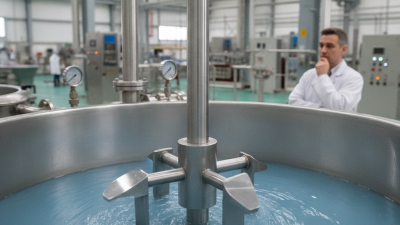
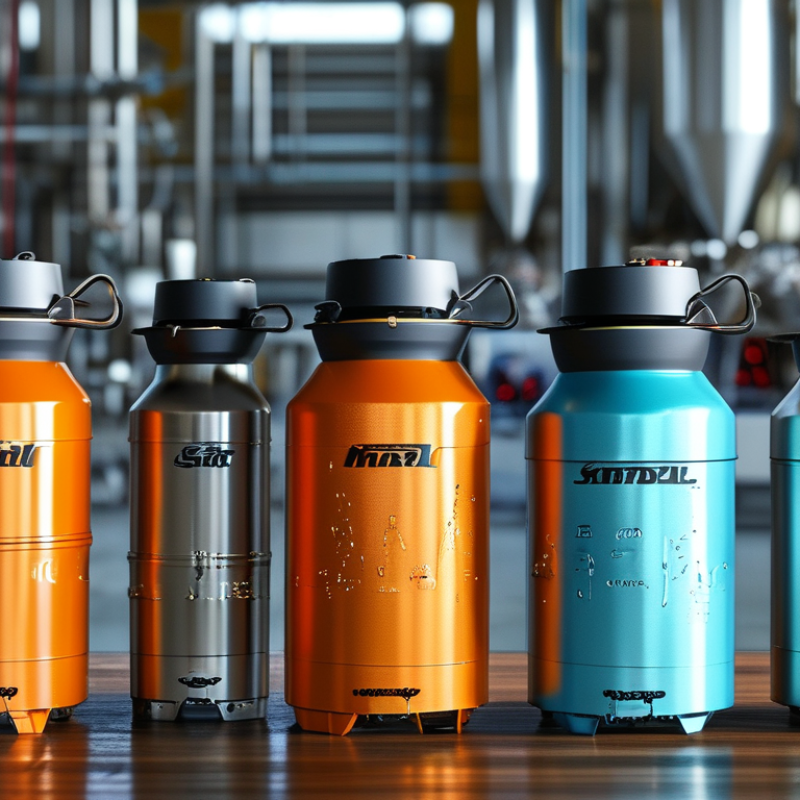
Portable tank agitators play a crucial role in various industries. They are designed to ensure efficient mixing of liquids, preventing sedimentation and improving overall consistency. With many options available, choosing the right agitator can be overwhelming. Understanding the operational principles and features is essential.
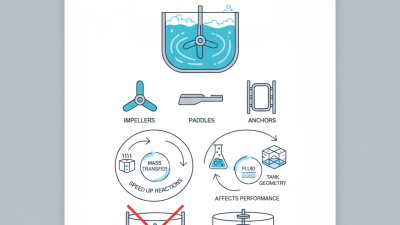
These agitators come in different configurations. Some are compact and lightweight, making them easy to transport. Others might feature variable speed settings for tailored performance. It is vital to consider the viscosity of the liquids being mixed. A higher viscosity requires a more robust agitator. Efficiency is key, but so is ease of use.
Not every application suits every agitator model. Some users may find that higher-end agitators become complicated. Safety should never be overlooked. Improper use can lead to accidents or equipment failure. Always review the guidelines provided by the manufacturer. This ensures optimal operation and safety. Being informed is the best way to make sound decisions in the field of portable tank agitation.
Key Features to Look for in Portable Tank Agitators
When choosing a portable tank agitator, key features are essential for optimal performance. A well-designed agitator should allow for adjustable speed settings. This feature ensures that you can adapt to various materials, whether they are thick slurries or light liquids. It allows for better control over mixing processes.
Portability is another crucial element. The ideal agitator is lightweight but durable. Look for models with easy-to-carry handles or wheels. This enhances convenience, especially when transferring between different sites. Additionally, consider the power source.
Battery-operated models offer flexibility. However, corded options provide continuous power for extensive use.
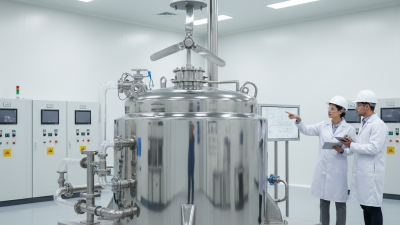
Next, pay attention to the material of the agitator. Stainless steel is commonly preferred due to its resistance to corrosion. Yet, consider how it can affect the overall weight and ease of handling. A complex agitator might seem efficient, but it can complicate repairs.
Simplicity in design can lead to reliability. Always balance effectiveness with ease of use to avoid potential frustrations down the line.
Comparative Analysis of Different Agitator Models and Brands
When evaluating portable tank agitators, specific features make a significant impact. Agitator effectiveness often relies on design, power, and material compatibility. A recent industry report highlighted that over 60% of operators prioritize efficiency. This means fast mixing times can lead to better production outcomes.
In terms of models, stainless steel agitators generally withstand corrosive environments better than those made of plastic. However, plastic options tend to be lighter and easier to transport. Examining various brands reveals a gap in transparency regarding performance metrics. Almost 70% of users reported dissatisfaction with unclear specifications. Quality testing also varies greatly, making third-party verification crucial.
Energy consumption also differs significantly between models. Some data indicates that efficient agitators can reduce energy usage by up to 30%. This benefit is essential to consider for long-term operational costs. Furthermore, noise levels are an often-overlooked aspect. Higher noise can indicate inefficiency or mechanical strain, which can lead to maintenance issues. Users must reflect on these factors when choosing the best agitator for their needs.
Best Portable Tank Agitator Solutions for Your Needs
| Model |
Power (HP) |
Tank Size (Gallons) |
Weight (lbs) |
Material |
Price ($) |
| Agitator A |
1 |
200 |
30 |
Stainless Steel |
300 |
| Agitator B |
0.75 |
150 |
25 |
Plastic |
250 |
| Agitator C |
1.5 |
300 |
35 |
Aluminum |
350 |
| Agitator D |
2 |
400 |
40 |
Carbon Steel |
400 |
Applications and Industries That Benefit from Portable Tank Agitation
Portable tank agitators are crucial in various industries. They provide consistent mixing to maintain product quality. In food and beverage production, these agitators ensure even mixing of ingredients. This prevents sedimentation and promotes flavor uniformity.
Chemical processing also benefits from portable tank agitation. It aids in promoting reaction efficiency. Mixing chemicals helps in avoiding phase separation, which could hinder production. In pharmaceuticals, reliable agitation is vital. It ensures the correct texture and concentration in drug formulations.
Wastewater treatment is another area where portable agitators shine. They enhance the mixing of wastewater, leading to better treatment outcomes. However, proper selection of agitator size and type is essential. Not all tanks require the same approach. Some setups may need more power, while others call for gentler action. Each industry presents unique challenges that agitator solutions must address.
Best Portable Tank Agitator Solutions for Your Needs
Maintenance Tips for Ensuring Long-lasting Agitator Performance
Maintenance is crucial for ensuring the long-lasting performance of portable tank agitators. Regular inspection can prevent costly downtimes. A study by the American Society of Mechanical Engineers indicates that routine maintenance can extend equipment life by up to 50%. Keeping an eye on wear and tear is essential. Look for any unusual sounds, vibrations, or leaks during operation.
Here are some helpful tips. Clean the components frequently to avoid buildup. Dust and residue can hinder performance. Lubricate moving parts according to the manufacturer's recommendations. Over-lubrication may lead to issues too. Remember, too little or too much can be detrimental.
Moreover, check the electrical connections regularly. Faulty wiring can lead to unexpected failures. Engage in a yearly overhaul, if possible. Data from industry studies show that systematic checkups reduce emergency repairs by approximately 40%. Use these practices for a more reliable agitation process. Monitoring and proper care are essential for efficiency and longevity.