A Universal Mixing Paddle is designed to handle several materials with one practical attachment. It commonly blends liquids, powders, slurries, adhesives, coatings, and low to medium-viscosity compounds. Its broad blade moves material vertically and horizontally inside a container. That movement reduces stagnant areas near the walls and bottom.
Industrial mixing authority Edward L. Paul described mixing as “the process of reducing nonuniformity.” This simple idea explains the paddle’s purpose. A rotating shaft transfers energy through the blade. The blade then creates circulation, folding, and gentle shear. In a workshop, you might see a thick coating rise along the paddle, spread across the surface, and return through the center. The visible flow reveals whether the tool is working evenly.
The word “universal” can mislead.
No paddle suits every formula, vessel, or speed. A Universal Mixing Paddle may perform well with paint, mortar, resin, or food-grade compounds, yet struggle with extremely thick or heat-sensitive materials. Diameter, blade shape, rotation speed, fill level, and shaft position all influence the result. Operators should also watch for air entrapment, splashing, and uneven temperature distribution.
This article explains how a Universal Mixing Paddle works and where it performs best. It also examines practical selection details, including container geometry and material viscosity. Some recommendations may seem obvious, but real mixing failures often begin with small oversights. A paddle can rotate smoothly while leaving unmixed pockets below the surface. Careful observation remains essential.
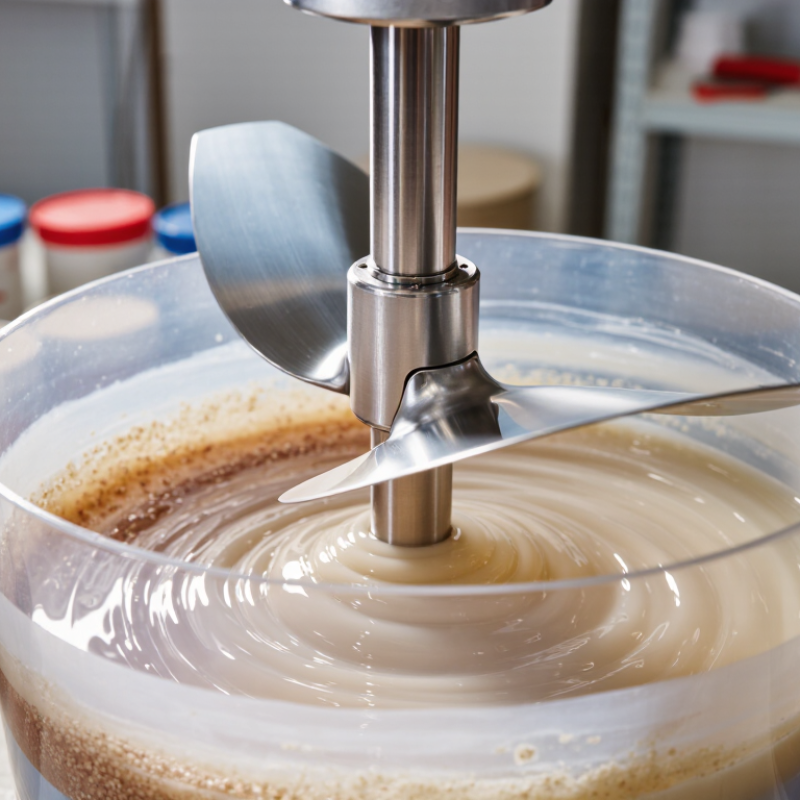
A universal mixing paddle is a general-purpose attachment for blending liquids, powders, and semi-thick materials. It usually has a central shaft and broad, balanced blades. The shape creates steady circulation inside a bucket, drum, or open tank. Unlike a specialized impeller, it handles several routine mixing jobs with one practical design. That flexibility is its main value.
In use, the paddle connects to a compatible mixer or drill with enough torque. As the shaft turns, the blades move material from the outer wall toward the center. Depending on the blade angle, they may also push material upward or downward. This movement breaks powder pockets and distributes ingredients more evenly. Start slowly. It reduces splashing and sudden resistance. For thick compounds, I prefer short mixing cycles with pauses. The motor may sound confident while the mixture remains poorly blended.
Paddle size matters. A small paddle may leave unmixed material at the bottom, while an oversized one can overload the motor. The working diameter should suit the container and material viscosity. Clean the attachment immediately after use, especially when residue hardens quickly. Inspect the shaft, welds, and blades for bending or cracks before each session. In practical work, “universal” does not mean perfect for every formula. Highly viscous materials may need a purpose-built design, and testing a small batch remains the safer judgment.
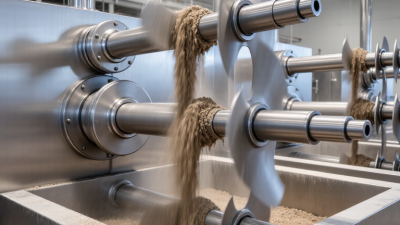
A universal mixing paddle is designed to handle liquids, powders, and semi-viscous materials in one vessel. Its core parts include the drive shaft, hub, blades, coupling, and sealing area. The shaft transfers torque from the motor. The hub holds each blade at a fixed angle.
Small details matter.
Paddle geometry controls flow more than appearance. Flat blades create broad radial movement, while angled blades add axial circulation. A larger diameter moves more material but can increase motor load. The U.S. Department of Energy reports that motor-driven systems consume over half of industrial electricity, so correct sizing deserves attention. Clearance also matters. A narrow gap near the vessel wall can reduce dead zones, but excessive speed may introduce air, heat, or foam. Stainless steel is common where corrosion resistance and cleanability are essential. However, “universal” does not mean perfect. A paddle suited to syrup may perform poorly with fragile particles.
Tips: Check the material’s viscosity, density, temperature, and solids content before selecting the design. Compare blade diameter with vessel diameter, then confirm torque at the actual operating speed. Inspect welds, seals, and surface finish regularly.
Industry hygienic-design guidance from EHEDG emphasizes cleanable surfaces and reduced product traps. A practical trial still matters. Laboratory results can mislead when scale changes flow patterns. Record mixing time, power draw, and batch uniformity during testing. Small measurements reveal large design mistakes.
A universal mixing paddle is a rotating tool for combining materials evenly. It usually connects to a powered mixer or heavy-duty drill. Its shaft transfers motor power to angled blades. Those blades cut through the material and create a circular flow. The paddle does more than spin. It moves material from the bottom upward and draws the surface downward.
The blade shape controls this movement. Some designs push material downward, while others create a lifting action. Thick mortar needs strong torque and steady rotation. Paint or sealant may need gentler movement to reduce air bubbles. A suitable speed keeps the mixture moving without splashing or overheating the motor. Too much speed can trap air. That mistake is easy to make.
The operator should place the paddle deeply before starting the machine. This reduces splatter and gives the material a controlled path. Moving the paddle slowly around the container can prevent dry pockets near the edges. A short pause may help reveal unmixed powder at the bottom. The word “universal” can be misleading. One paddle cannot perform perfectly with every material or container. Viscosity, batch size, blade diameter, and motor strength still matter. The process may require adjustment. Even experienced users should inspect the mixture rather than trust rotation alone.
A universal mixing paddle is designed to blend many materials with one adaptable tool. Its spiral or cage-shaped blades move material from the bottom upward. This reduces dry pockets and trapped air in the bucket.
It can handle water-based paint, plaster, grout, tile adhesive, mortar, cement mixes, and some thick fillers. Some paddles also work with resins or leveling compounds. However, “universal” is not absolute. Very dense mixtures can overload a small drill and bend lightweight blades. Thin liquids may splash if the speed rises too quickly. Material temperature also changes flow. A cold compound often feels much heavier. Checking the mixture instructions remains essential. Guessing can waste both product and time.
Tips: Start slowly. Keep the blade below the surface. Move it around the container steadily. Clean it before residue hardens. For gritty mortar, inspect the shaft after use. Small damage can create wobble later. Choose stainless steel for frequent wet work, while coated steel suits occasional mixing and easier cleanup. A wider paddle usually covers more material, but it needs a stronger mixer. Test a small batch first. That simple step can reveal poor consistency before a full bucket is affected.
| Dimension | Typical Specification or Function | Materials or Mixtures It Can Handle | Operating Notes |
|---|---|---|---|
| Basic definition | A general-purpose attachment with blades, paddles, or a basket designed to move and combine liquid or semi-solid materials. | Low- to medium-viscosity liquids, pastes, powders added to liquids, and common construction or maintenance coatings. | The term “universal” means versatile rather than suitable for every material or mixing machine. |
| Mixing action | Rotational movement creates circulation, folding, shearing, or turbulence within the container. | Paint, primer, adhesive, grout, mortar, plaster, cement-based compounds, and other blendable materials. | Paddle geometry determines whether material moves upward, downward, outward, or toward the center. |
| Common paddle materials | Carbon steel, stainless steel, aluminum, or coated metal are commonly used for the shaft and mixing head. | Water-based coatings, cementitious products, gypsum compounds, fillers, and general-purpose liquid blends. | Stainless steel offers better corrosion resistance; coated or carbon steel may require prompt cleaning and drying. |
| Paint and coatings | Designed to disperse settled pigments and restore a consistent texture without excessive splashing. | Interior and exterior paint, primer, stain, varnish, sealant, and some water-based protective coatings. | Use a suitable speed and keep the mixing head submerged to reduce air entrainment and splatter. |
| Cement-based materials | Higher-torque mixing is needed to combine dry powder with water and break up lumps. | Tile adhesive, thin-set mortar, grout, repair mortar, plaster, render, and some concrete repair compounds. | The paddle and mixer must be rated for the mixture’s density; very stiff products may require a heavy-duty design. |
| Adhesives and sealants | Provides controlled circulation for materials that are thicker than ordinary liquids. | Construction adhesive, joint compound, wallpaper paste, filler, and selected water-based sealants. | Check chemical compatibility before use, especially with solvent-based or reactive formulations. |
| Powders and liquids | Helps wet dry particles evenly and distribute them throughout the liquid phase. | Plaster powder, powdered tile adhesive, pigments, mineral fillers, and water-soluble additives. | Add powder gradually when possible to reduce clumping, dust, and sudden increases in load. |
| Viscosity range | Most universal paddles are intended for low- to medium-viscosity mixtures rather than extremely thick compounds. | Thin liquids, coatings, pastes, grouts, fillers, and moderately thick mortars. | Always compare the mixture’s consistency with the mixer’s torque, speed range, and manufacturer specifications. |
| Container compatibility | Works in buckets, tubs, drums, or other open containers with enough clearance for the paddle. | Small batches of paint and adhesive, as well as larger batches of mortar or plaster. | The mixing head should not strike the container wall or bottom during operation. |
| Materials requiring caution | Some formulations require specialized equipment, controlled speed, or corrosion-resistant components. | Highly abrasive aggregates, very high-viscosity compounds, flammable solvents, reactive chemicals, and food or pharmaceutical products. | Follow the product safety data sheet and use equipment specifically approved for hazardous or regulated materials. |
| Cleaning and maintenance | Cleaning prevents cured residue, corrosion, imbalance, and reduced mixing performance. | Applicable to all mixtures, especially cement, gypsum, adhesive, and fast-drying coating products. | Clean immediately after use, inspect for bent blades or worn coatings, and dry metal components thoroughly. |
| Primary advantages | One attachment can handle several routine mixing tasks and improve consistency compared with manual stirring. | Paint, coatings, plaster, grout, mortar, filler, adhesive, and other compatible mixtures. | Performance depends on paddle shape, diameter, rotation speed, batch size, and material viscosity. |
A universal mixing paddle is designed to handle common liquids, pastes, and coatings with one adaptable shape. It usually combines a central shaft with blades that circulate material vertically and horizontally. The result is more consistent blending, with fewer dry pockets near the container wall. However, “universal” is practical shorthand, not a guarantee. Paddle selection still depends on viscosity, batch size, container shape, and required shear.
Choosing the right paddle starts with the material. Use broad blades for thick compounds and narrower blades for low-viscosity liquids. Match the paddle diameter to the vessel, leaving enough clearance to prevent scraping. Set speed gradually. High speed can pull air into paint, adhesive, or food-grade mixtures. Low speed may leave heavy solids at the bottom. The European Commission’s Best Available Techniques reference documents emphasize process control and energy efficiency in industrial production. That principle applies here, even during small-batch work. My own mistake was trusting speed instead of observing circulation. The surface looked active, but the bottom remained unmixed.
Tips: Check the material safety data sheet before selecting equipment. Secure the container firmly. Start slowly, then increase speed only when the material moves as one mass. Stop and inspect the shaft if vibration appears. Clean the paddle immediately after use; dried residue changes blade balance and reduces mixing performance. Measure twice. Mix once.