Top 10 Tips for Choosing the Best Solar De-Layer Aerator for Your Pond
When it comes to maintaining the health and clarity of your pond, a Solar De-Layer Aerator is an essential investment. These sophisticated devices not only improve water quality by facilitating oxygen transfer but also efficiently tackle the issue of thermal stratification, which can lead to detrimental environmental conditions for aquatic life. According to Dr. Emily Thompson, a leading expert in aquatic ecosystems and the author of "Ecosystem Management for Ponds," "Choosing the right Solar De-Layer Aerator can make a significant difference in the overall health of your pond ecosystem."
To help pond owners navigate the myriad of options available, understanding the key features and benefits of a Solar De-Layer Aerator is crucial. This guide presents the top ten tips for selecting the best model tailored to your specific needs. From assessing the size of your pond to evaluating energy efficiency, our tips will empower you to make an informed decision, ensuring that your pond remains a thriving habitat for fish and plant life alike. Whether you're a seasoned pond keeper or a novice, knowing what to look for when choosing a Solar De-Layer Aerator can enhance the beauty and health of your outdoor oasis.
Benefits of Using a Solar De-Layer Aerator in Ponds
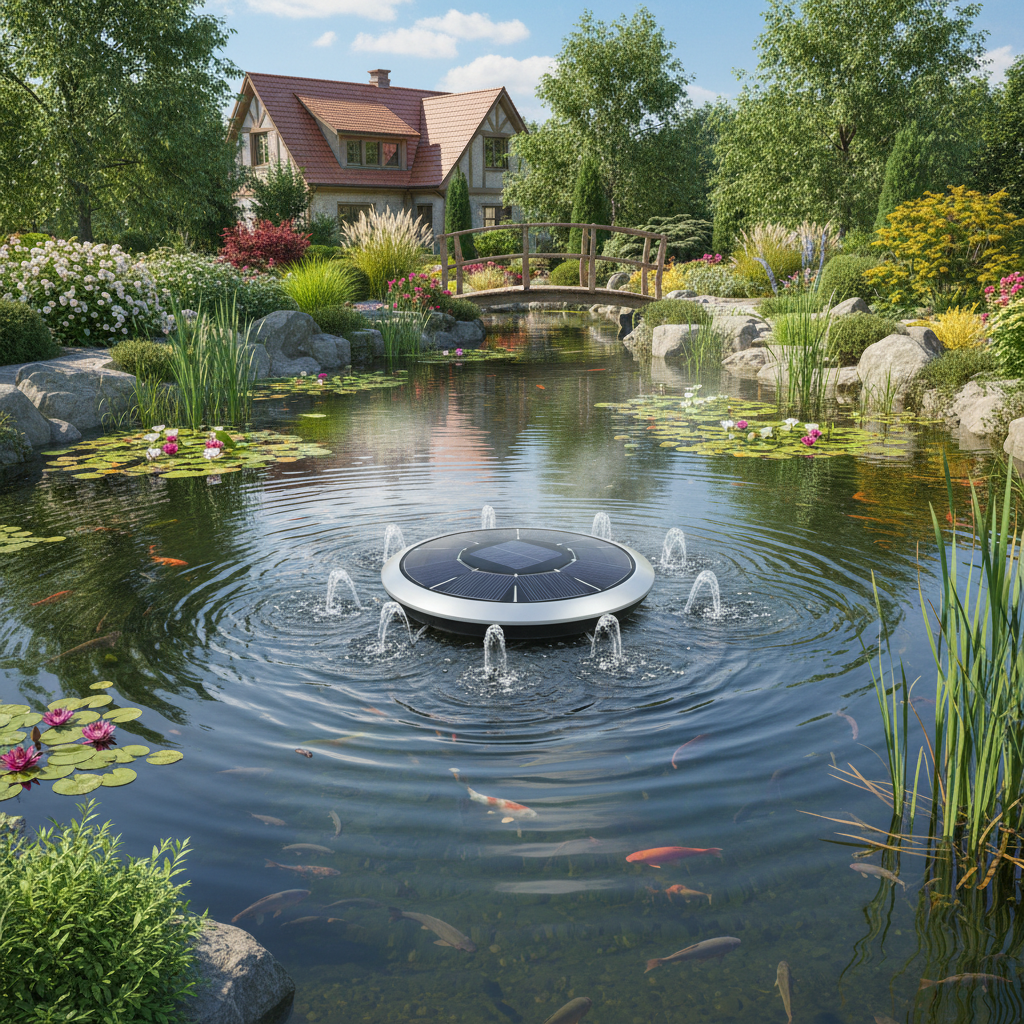
One of the primary benefits of using a solar de-layer aerator in ponds is the enhancement of water quality. By promoting circulation and mixing of water layers, these solar-powered devices help prevent stratification, which can lead to stagnant conditions and lower oxygen levels. When the pond is properly aerated, beneficial bacteria thrive, breaking down organic matter and reducing harmful pollutants. This leads to a healthier aquatic environment, supporting the overall ecosystem, including fish and plant life, which are essential for a balanced pond.
Additionally, solar de-layer aerators contribute to energy savings and environmental sustainability. Operating on solar power, these aerators eliminate the need for electricity from the grid, reducing energy costs while also minimizing the carbon footprint. This eco-friendly technology harnesses renewable energy, making it an ideal solution for pond owners who prioritize sustainability. By choosing a solar de-layer aerator, pond enthusiasts can not only improve the health of their water bodies but also contribute to a greener planet.
Top 10 Tips for Choosing the Best Solar De-Layer Aerator for Your Pond
Key Features to Look for in Solar De-Layer Aerators
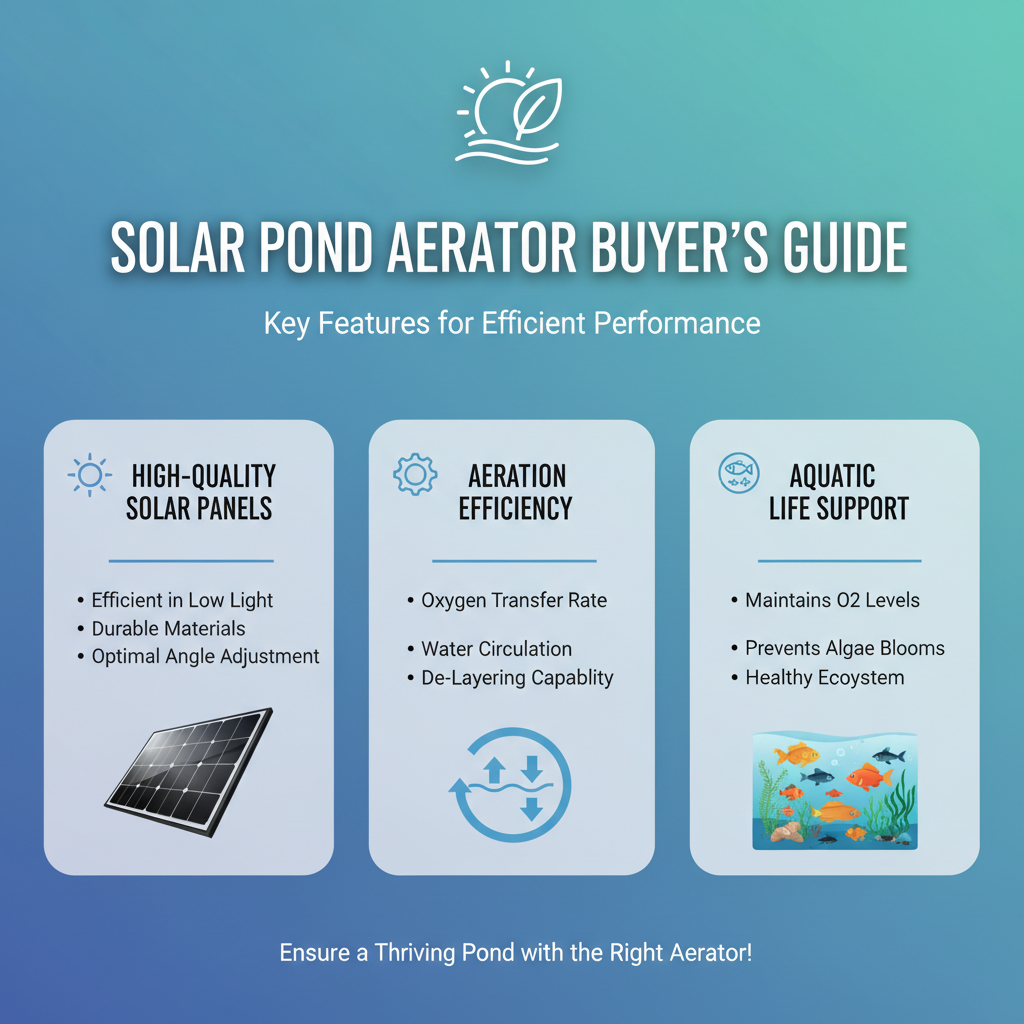
When selecting the best solar de-layer aerator for your pond, it's essential to consider several key features to ensure efficient performance. Look for aerators with high-quality solar panels that provide adequate power even in low sunlight conditions. The efficiency of the solar panel directly affects the aerator's ability to maintain optimal oxygen levels in the water, which is crucial for sustaining aquatic life.
Another important aspect to examine is the aeration process itself. Choose a model with adjustable air flow rates, as this allows for customization based on your pond's specific needs. Effective aeration ensures that water circulates properly, preventing stagnation and promoting a healthy ecosystem. Additionally, consider the unit's durability and weather resistance, especially if you live in an area with extreme weather conditions.
Lastly, pay attention to the noise level of the aerator. A quieter model not only enhances your pond's aesthetics but also minimizes disturbance to the local wildlife. By focusing on these key features, you can identify a solar de-layer aerator that will keep your pond healthy and thriving all year round.
Factors Affecting the Performance of Solar De-Layer Aerators
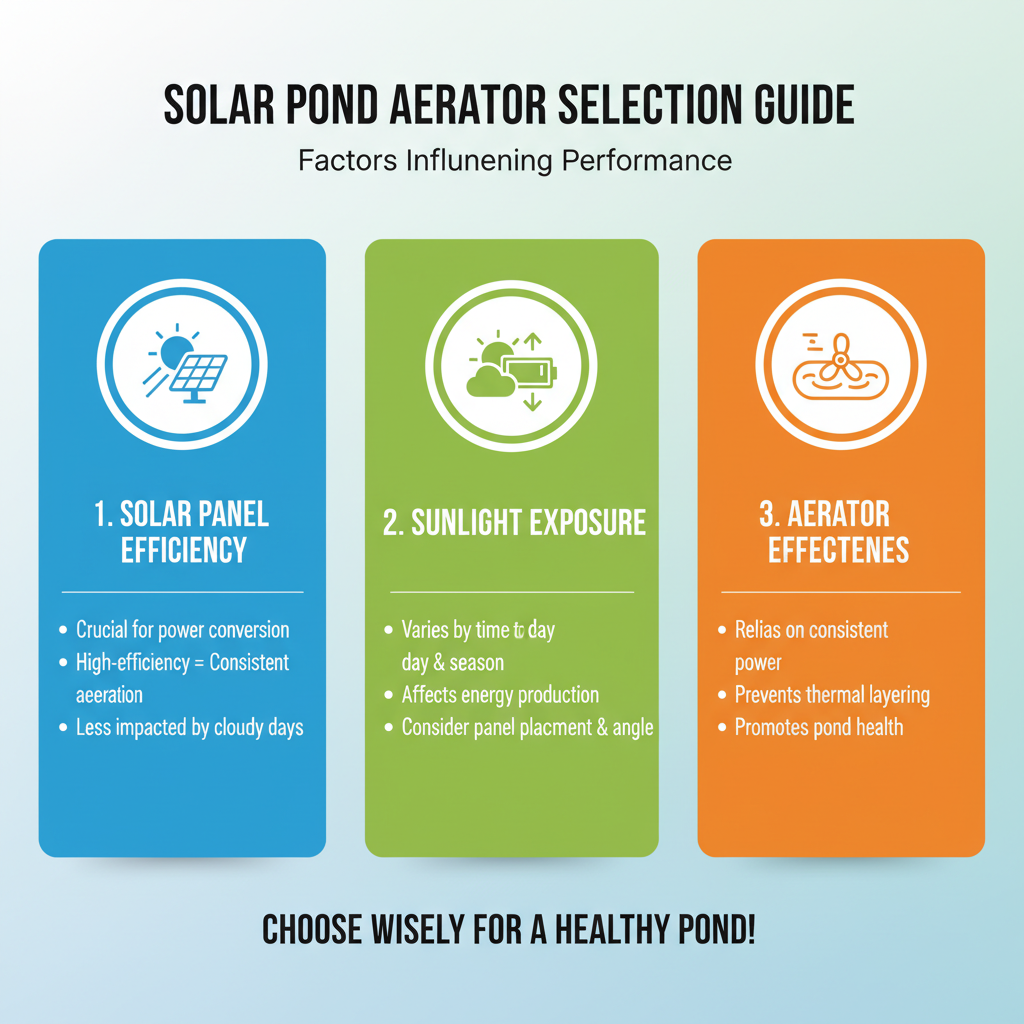
When selecting a solar de-layer aerator for your pond, understanding the factors that influence its performance is crucial. One significant aspect is the solar panel efficiency. The effectiveness of the aerator largely depends on the ability of its solar panels to capture sunlight and convert it into usable power. Variations in sunlight exposure throughout the day and across seasons can affect energy production, hence impacting the aeration process. Choosing a model with high-efficiency panels can ensure consistent performance even in less-than-ideal weather conditions.
Another important factor is the design and size of the aeration system. The aerator must be appropriately sized for the volume of water in your pond to ensure optimal oxygenation. Additionally, designs that allow for adjustable output levels can help accommodate changes in pond conditions. Furthermore, the quality of materials used in the construction of the aerator plays a role in durability and maintenance needs. A well-built aerator can withstand various environmental challenges and provide sustained performance, making it essential to prioritize quality when making your selection.
Comparing Different Models and Brands of Solar De-Layer Aerators
When selecting a solar de-layer aerator for your pond, it’s crucial to compare different models and brands to find the one that best meets your specific needs. According to recent industry reports, the effectiveness of aeration systems can significantly impact aquatic ecosystems, improving water quality and promoting healthier fish populations. Brands like AquaMaster and pondH2o have been highlighted for their high-efficiency models, often achieving an increase in dissolved oxygen levels by over 30% within weeks of installation.
One vital tip is to consider the size and depth of your pond when choosing an aerator. Models such as Solar Breeze NX are designed for larger bodies of water, effectively circulating water across substantial areas. Another essential factor to consider is the solar panel efficiency; higher wattage panels mean better performance in low-light conditions. For instance, some premium model comparisons reveal that units boasting at least 20W solar panels can operate effectively even during cloudy weather.
Lastly, examine the maintenance requirements and warranty options offered by different brands. Systems with fewer moving parts tend to have lower maintenance needs, which can save you time and money in the long run. Brands that provide robust customer support and comprehensive warranties can enhance your purchase security, ensuring longevity and performance efficiency of your solar de-layer aerator.
Maintenance Tips for Prolonging the Life of Your Solar Aerator
When investing in a solar de-layer aerator for your pond, maintenance is essential for ensuring longevity and optimal performance. Regular cleaning of the aerator's components, including the solar panels and diffusers, is crucial. Dust, algae, and debris can significantly hinder efficiency by blocking sunlight and reducing air circulation. A simple rinse with water on a monthly basis can help maintain the cleanliness of these parts, allowing the aerator to function effectively.
Additionally, it's important to monitor the battery and solar charger regularly. Ensure that connections are secure and that the battery is free from corrosion. If you notice a decrease in performance, consider replacing the battery to maintain optimal operating conditions. Lastly, during extreme weather conditions, such as winter freezes, it may be wise to store the unit in a protected area to prevent damage. By following these maintenance tips, you can prolong the life of your solar aerator, keeping your pond healthy and aesthetically pleasing for years to come.
Top 10 Tips for Choosing the Best Solar De-Layer Aerator for Your Pond - Maintenance Tips for Prolonging the Life of Your Solar Aerator
| Tip No. |
Tip Description |
Maintenance Frequency |
Expected Lifespan |
| 1 |
Choose an appropriate size for your pond |
Annually |
5-10 years |
| 2 |
Select a model with durable materials |
Every 6 months |
7-15 years |
| 3 |
Look for adjustable airflow settings |
Monthly |
6-12 years |
| 4 |
Consider solar panel efficiency |
Annually |
8-15 years |
| 5 |
Check battery life and capacity |
Every 3 months |
2-5 years |
| 6 |
Evaluate noise level during operation |
Every use |
N/A |
| 7 |
Inspect for algae buildup regularly |
Weekly |
N/A |
| 8 |
Ensure proper sunlight exposure |
Monthly |
N/A |
| 9 |
Replace worn parts promptly |
As needed |
N/A |
| 10 |
Store the aerator properly during winter |
Annually |
N/A |