What is a Multi Disk Screw Press? Understanding its Efficiency & Applications in Wastewater Treatment
In the evolving field of wastewater treatment, the
Multi Disk Screw Press has emerged as a pivotal technology that enhances efficiency and performance. According to Dr. Jane Smith, a leading expert in wastewater management, “The Multi Disk Screw Press is revolutionizing the way we handle sludge dewatering by maximizing efficiency while minimizing operational costs.” This statement underscores the significance of this innovative solution in managing wastewater treatment processes effectively.
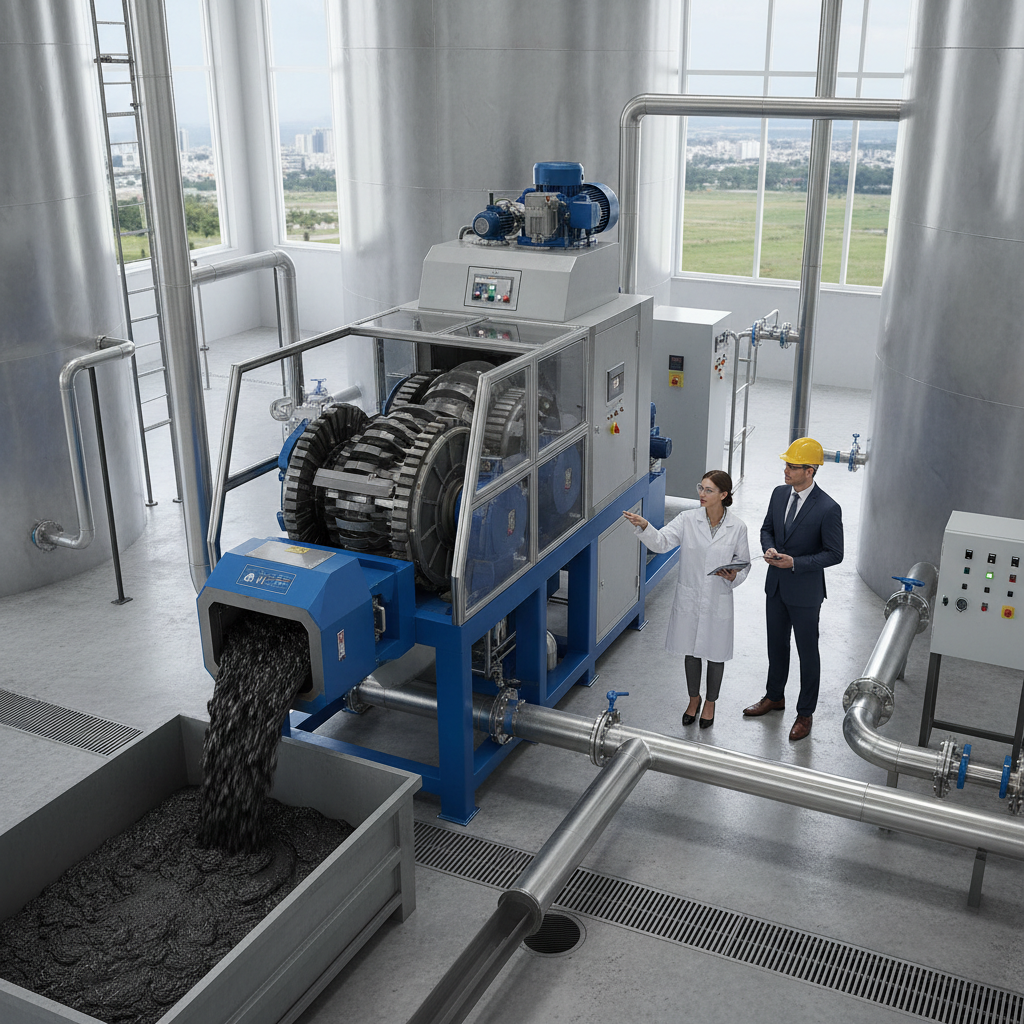
The Multi Disk Screw Press operates on a unique mechanism that allows for superior dewatering capabilities compared to traditional systems. As cities and industries face increasing pressures to improve their water treatment strategies amidst growing environmental concerns, the implementation of such advanced technologies not only meets regulatory standards but also contributes to sustainable practices. The versatility and effectiveness of the Multi Disk Screw Press make it a game-changer in various applications, from municipal wastewater plants to industrial sectors.
As we delve deeper into the efficiency and applications of the Multi Disk Screw Press, it becomes clear that it represents a crucial asset for any facility looking to enhance their wastewater treatment operations. The integration of this technology can lead to significant improvements in resource recovery, lowering the ecological footprint, and fostering long-term sustainability goals in the industry.
What is a Multi Disk Screw Press and How Does it Work in Wastewater Treatment?
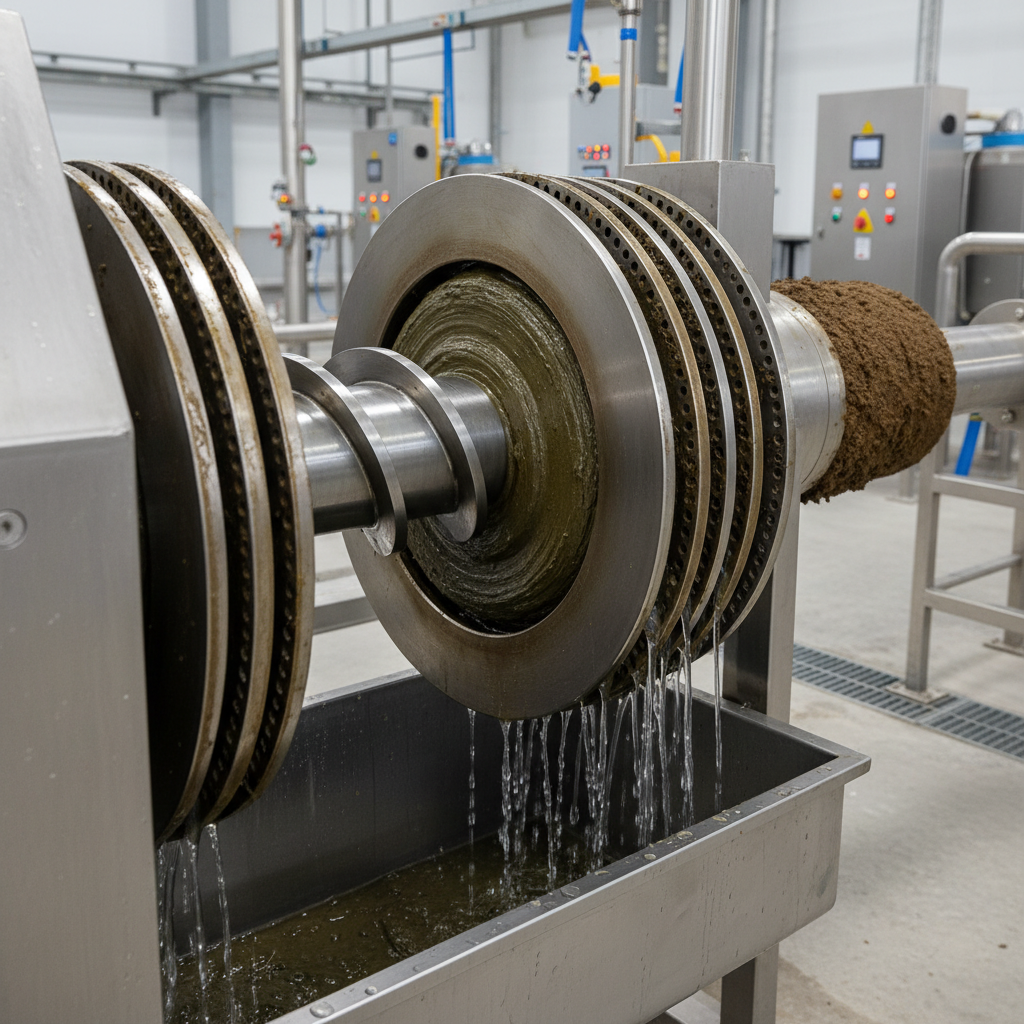
A Multi Disk Screw Press is an innovative technology designed for effective solid-liquid separation in wastewater treatment processes. Its operational mechanism involves a rotating screw that transports the feed material through a series of closely spaced discs, which compress the solids, facilitating the extraction of liquids. This design enhances efficiency by reducing energy consumption and minimizing maintenance needs compared to traditional dewatering methods.
In recent years, advancements in screw press technology have made these systems more compact and cost-efficient, catering to the demands of various wastewater treatment facilities. The ability to handle varying flow rates and solid concentrations makes Multi Disk Screw Presses versatile tools in the treatment of municipal and industrial wastewater. Their application not only improves the overall performance of treatment plants but also contributes to sustainable resource management by enabling effective sludge dewatering and minimizing environmental impact.
Key Benefits of Using Multi Disk Screw Presses in Municipal Wastewater Management
Multi Disk Screw Presses (MDSPs) have emerged as a critical technology in municipal wastewater treatment, offering numerous benefits that enhance efficiency and sustainability. One of the primary advantages of using MDSPs is their ability to significantly reduce water content in sludge, achieving dry matter content levels of up to 30%. This not only minimizes the volume of waste needing disposal but also lowers downstream operational costs associated with transportation and landfill disposal. According to a 2022 report by the Water Environment Federation, adopting MDSP technology can lead to a 20-30% reduction in overall sludge management costs for municipal facilities.
Another key benefit of MDSPs is their operational efficiency and low energy consumption. Research indicates that MDSPs operate using 30-50% less energy compared to conventional belt presses and centrifuges, making them an environmentally friendly choice in wastewater management. Furthermore, the compact design of MDSPs allows for easy integration into existing treatment frameworks without requiring significant infrastructure modifications, thus streamlining operations while maintaining compliance with stringent regulatory requirements. As the demand for improved wastewater management solutions increases, the MDSP stands out as a forward-thinking option for municipalities striving to enhance both eco-efficiency and cost-effectiveness.
Efficiency Metrics: Comparing Multi Disk Screw Press to Traditional Dewatering Methods
The multi-disk screw press (MDSP) has emerged as a highly efficient technology for sludge dewatering in wastewater treatment plants. Unlike traditional dewatering methods, such as belt presses and centrifuges, the MDSP utilizes a unique design that enhances its operational efficiency and reduces energy consumption. Recent studies indicate that the MDSP can achieve up to 90% solid capture rates, significantly outperforming conventional equipment, which typically sees rates around 70-80%. This increase in efficiency not only leads to reduced disposal costs but also lowers the environmental footprint of the wastewater treatment process.
Moreover, the operational simplicity of the multi-disk screw press translates into lower maintenance requirements. Traditional dewatering methods often involve complex mechanical systems that can lead to frequent breakdowns and require substantial maintenance. In contrast, the MDSP operates with fewer moving parts, resulting in reduced wear and tear. A report by the Water Environment Federation highlights that plants using MDSP technology can save up to 30% in operational costs compared to those relying on traditional methods. As communities seek to improve their wastewater treatment efficiency, the multi-disk screw press represents a promising solution that enhances performance while promoting sustainability.
Efficiency Comparison of Multi Disk Screw Press and Traditional Dewatering Methods
Case Studies: Successful Applications of Multi Disk Screw Press in Industrial Wastewater Treatment
Multi Disk Screw Press (MDSP) technology has proven to be a pivotal advancement in the realm of industrial wastewater treatment, significantly improving dewatering efficiency. Case studies highlight its effectiveness in various industries, including food and beverage, pulp and paper, and municipal wastewater facilities. For instance, a recent report by the Water Environment Federation indicated that facilities utilizing MDSP technology reported up to 90% reduction in energy consumption compared to traditional centrifuges. This is largely attributed to the MDSP's ability to operate at lower speeds while maintaining a high throughput, minimizing wear and tear and leading to extended equipment lifespan.
In one notable case, a large-scale fruit processing plant implemented a Multi Disk Screw Press system, resulting in a remarkable 50% decrease in organic solid waste volume. The effluent quality surpassed regulatory standards, showcasing a Total Suspended Solids (TSS) reduction of 85%. These improvements not only facilitated compliance but also fostered a more sustainable operation, lowering water usage and enhancing resource recovery. Reports suggest that industries adopting MDSP solutions can achieve substantial operational savings, with some facilities estimating cost reductions of over $100,000 annually in disposal fees and energy costs. This demonstrates the transformative impact of Multi Disk Screw Press technology in streamlining wastewater treatment processes while driving organizational efficiencies.
Future Trends: Innovations in Multi Disk Screw Press Technology for Enhanced Performance
Recent advancements in technology have significantly transformed the performance of Multi Disk Screw Press (MDSP) systems in wastewater treatment. Future trends highlight the integration of artificial intelligence and machine learning algorithms that allow these systems to optimize their operational efficiency by predicting maintenance needs and adjusting processing parameters in real-time. This predictive maintenance minimizes downtime and enhances throughput, ensuring that facilities can handle varying loads and compositions of waste more effectively.
Moreover, innovations in material science are paving the way for more durable and corrosion-resistant components in MDSP design. The use of advanced, eco-friendly materials not only improves the longevity of the equipment but also reduces the overall environmental footprint of wastewater treatment processes. Additionally, the incorporation of modular designs allows for easier upgrades and scalability, enabling treatment plants to adapt to increasing demands without substantial reinvestment. As these technologies evolve, the efficiency and effectiveness of Multi Disk Screw Press units will continue to advance, thereby playing a pivotal role in sustainable wastewater management.