How to Choose the Right Paddle Mixer 240v for Your Needs?
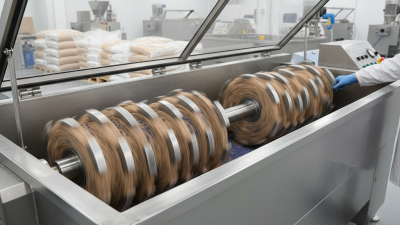
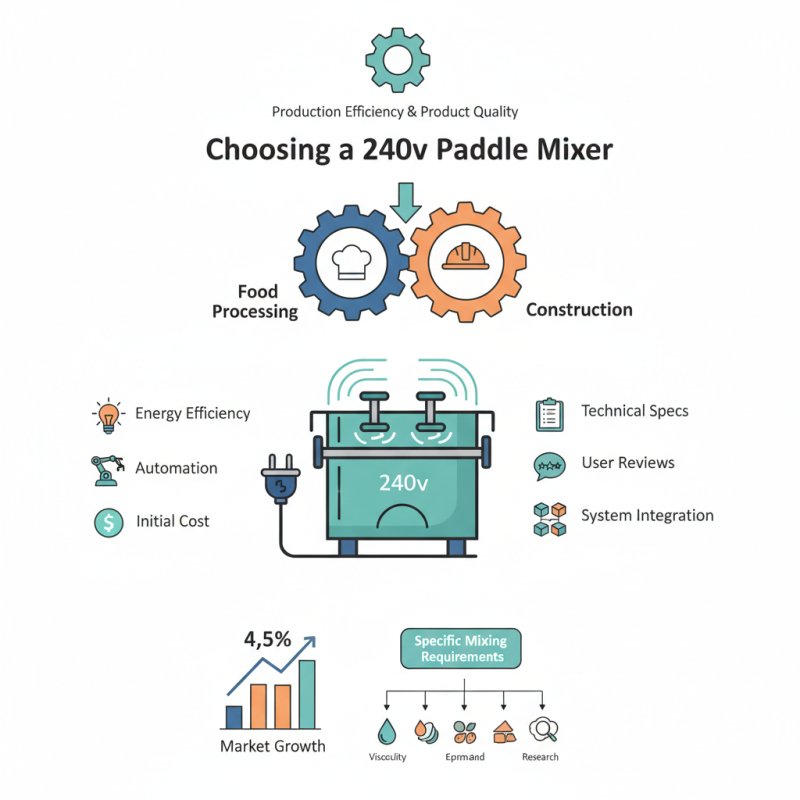
Choosing the right Paddle Mixer 240v can significantly impact your production efficiency and product quality. The global market for industrial mixers is projected to expand at a CAGR of 4.5% through 2026, highlighting the growing significance of selecting suitable equipment. A Paddle Mixer 240v is particularly essential for industries like food processing and construction. The right mixer enhances the blending process, ensuring even consistency in materials.
Advanced features in modern paddle mixers include energy efficiency and automation. These innovations can improve performance but may come at a higher initial cost. It's crucial to consider technical specifications, user reviews, and integration capabilities with existing systems. Misalignment in equipment choice can lead to inefficiencies and unexpected expenses.
While the focus is often on capacity and output, understanding the specific mixing requirements is vital. Factors like viscosity and ingredient types influence performance. Purchasers should reflect on their unique needs to avoid common pitfalls in their selection process. Research and detailed analysis are essential for making informed choices.
Understanding Paddle Mixers and Their Applications
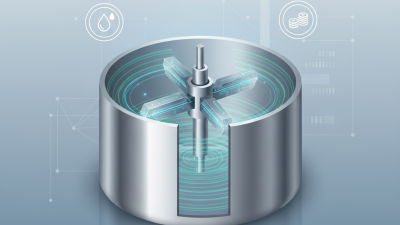
Paddle mixers are essential tools in various industries. They excel in blending thick materials like pastes and slurries. These mixers use a rotating paddle to create a vortex. This design ensures consistent mixing, reducing the chance of unblended materials. The applications vary from food production to construction. Understanding your needs helps in selecting the right model.
Different paddle mixers offer unique features. Some have variable speed settings for versatility. Others come with different paddle designs for specific applications. It is vital to consider the material's viscosity. For instance, thicker substances require more powerful mixers. A 240v mixer might suit larger projects better. Evaluating your workflow will help in choosing effectively.
Choosing the wrong model can lead to inefficiency. Overestimating the requirements may result in wasted resources. Conversely, an underpowered mixer may struggle with tougher mixtures. It is crucial to assess both the product and the environment. Reflecting on past experiences can guide better decisions. Don't rush this choice; time spent researching pays off in productivity.
Key Features to Consider in a 240v Paddle Mixer
When selecting a 240v paddle mixer, key features matter greatly. Power output is crucial. Many mixers provide between 800 to 1600 watts. Higher wattage ensures efficient mixing, especially for thick materials. A strong motor reduces the time spent on mixing. However, it can also increase the heat generated. Buyers should carefully balance power and durability.
The mixing capacity is essential too. A typical paddle mixer can handle volumes from 5 to 20 liters. For large projects, a bigger capacity is necessary. But, this may lead to challenges like uneven mixing. It’s important to test a mixer’s performance to avoid poor results. Additionally, paddle design influences the mixing efficiency. Some designs mix better in specific applications. Users should assess their needs before making a decision.
Moreover, weight and portability are often overlooked. Heavier mixers provide stability but are cumbersome. A lighter model may offer easier use but might sacrifice performance. User experience reports indicate that balance is crucial to avoid fatigue. Sometimes, the right mixer isn’t just about specifications; it’s about the feel in your hands.
Evaluating Motor Power and Speed Settings
When selecting a paddle mixer, motor power and speed settings are critical factors. A robust motor often delivers better performance. For most applications, a motor power between 1.5 to 3.0 kW is common. This range ensures efficient mixing without overpowering delicate mixtures. Studies indicate that higher power motors reduce mixing time by up to 30%. However, consider the specific needs of your materials. Too much power can damage sensitive ingredients.
Speed settings also play a vital role. Adjustable speed features offer versatility. Typical paddle mixers operate between 50 to 300 RPM. Low speeds are suitable for thick or viscous materials. Conversely, high speeds work well for thinner mixtures. It’s important to strike a balance. An overly high speed can create air bubbles in your products, leading to inconsistent results. Proper testing is essential to find the suitable speed for your application.
Unexpected challenges may arise during usage. Materials can behave unpredictably at different speeds or power settings. A mixer that performs well in one scenario might falter in another. Users need to understand their specific mixing requirements. Regular adjustments and evaluations can ensure optimal performance and quality in the final output. Keep in mind that real-world applications often deviate from theory, requiring flexibility and adaptation in your approach.
Choosing Between Fixed and Variable Speed Options
When considering a paddle mixer, the choice between fixed and variable speed options is crucial. Fixed speed mixers operate at a consistent pace, which is ideal for tasks requiring uniform mixing. For instance, if your materials have similar textures and densities, a fixed speed may work well. However, this option limits flexibility. You can't adjust the speed for different tasks or materials.
On the other hand, variable speed mixers provide versatility. These mixers allow you to control the speed based on the task at hand. If you're mixing thick pastes one moment and liquid compounds the next, variable speed becomes invaluable. You can start slow to avoid splatters and increase speed for a thorough mix. This adaptability often leads to better results. However, it can be more complex to operate. Some users may find it challenging to gauge the ideal speed for their specific needs.
Think about your specific requirements. Will you mix a variety of materials? Or do you need a straightforward, consistent approach? Reassessing the type of mix you will create can help clarify your choice. Consider factors like mixing volume and the nature of your ingredients. It’s essential to evaluate these aspects carefully.