How to Choose the Best Single Paddle Mixer for Your Needs?
Choosing the right Single Paddle Mixer is crucial for your mixing needs. A good mixer can streamline your processes and improve efficiency. However, not all mixers are created equal.
Consider the materials you’ll be mixing. Some mixers work better with dry materials, while others excel with wet mixes. The size of your batches is also important. A mixer that’s too small limits your productivity. Conversely, an oversized mixer may be inefficient.
Pay attention to the construction quality as well. A poorly made Single Paddle Mixer may lead to uneven mixing. You might find that the operating speed plays a critical role in achieving the desired consistency. Remember, every application is unique, and a perfect mixer for one may not suit another. This is a decision that merits careful thought.
Understanding the Basics of Single Paddle Mixers
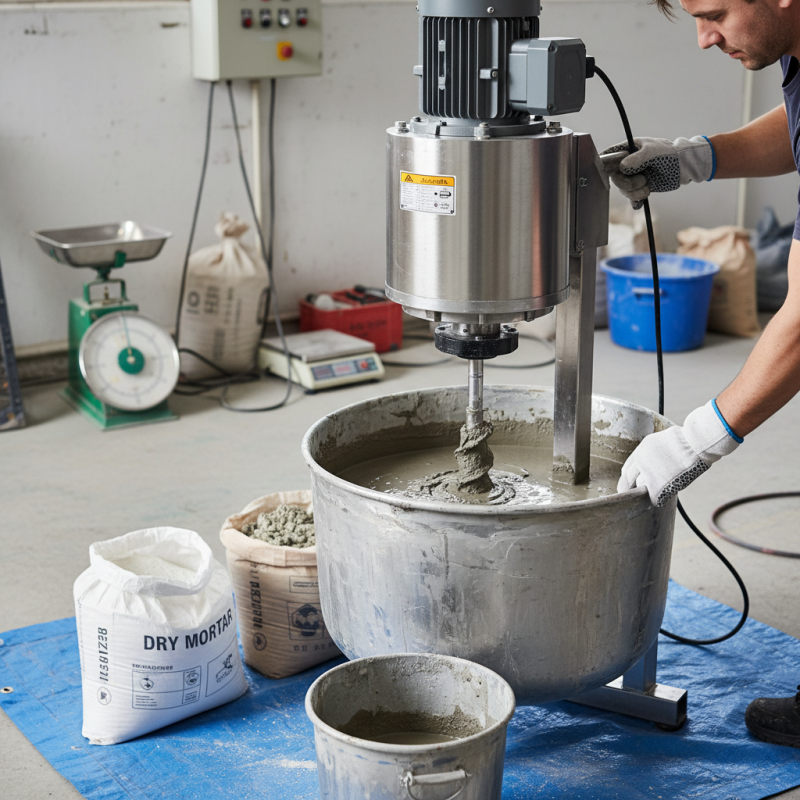
When considering a single paddle mixer, it's essential to understand its basic components and functionality. These mixers typically consist of a single blade attached to a shaft. The design allows for efficient mixing of various materials. They are especially useful for pastes and slurries, where uniform consistency is crucial.
The operation of a single paddle mixer is straightforward. The paddle moves in a circular motion, combining materials effectively. However, some users find that achieving the desired texture can be challenging. For example, overly thick mixtures may not blend well. Sometimes, these mixers struggle with larger batches. You might need to make multiple passes for even blending.
It's crucial to evaluate your specific needs before purchasing one. Consider the volume and type of materials you’ll mix. Do you need it for heavy-duty tasks or lighter jobs? Understanding these factors can help avoid costly mistakes. Remember, even the best mixers may have limitations. Reflecting on your requirements will guide you toward the right choice.
Choosing the Right Single Paddle Mixer: Performance Comparison
Identifying Your Mixing Needs and Requirements
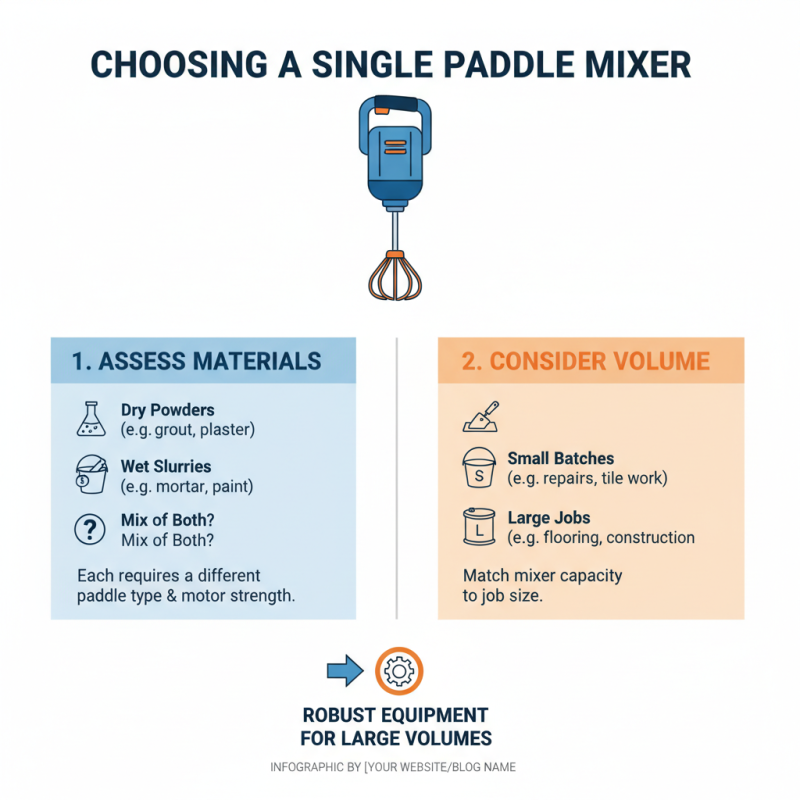
When choosing a single paddle mixer, understanding your mixing needs is essential. Start by assessing the materials you'll be working with. Are they dry powders, wet slurries, or perhaps a mix? Each material requires a different approach. Consider the volume of materials too. Small batches may not need a high-capacity mixer, while larger jobs demand robust equipment.
Next, think about the desired consistency of your mix. Some applications call for a rough mix, while others need a smooth blend. This can affect the paddle design and speed requirements. It’s also crucial to evaluate your workspace. Do you have the room for a larger mixer, or do you need something compact?
Finally, reflect on your budget. While investing in quality equipment is vital, it’s easy to get carried away. Sometimes, the most expensive models don’t offer the best solution for your situation. Document your needs clearly. This way, you’ll avoid purchasing a mixer that falls short. Keep your priorities straight and measure your options carefully.
Evaluating Different Types of Single Paddle Mixers
When evaluating different types of single paddle mixers, consider their design and functionality. There are several models available, each suited for specific needs. For example, some mixers have a low-profile design. These are great for shallow containers. They mix materials evenly without leaving residue behind.
On the other hand, specialized mixers handle thicker substances. They offer more robust paddles to stir dense materials. However, using them might require extra effort. Their higher torque can lead to wear and tear over time. Choose wisely based on the materials you often mix.
Materials used in construction also matter. Stainless steel options are durable and easy to clean. But they can be heavier. Lightweight materials may be easier to maneuver, but they could wear out faster. Always assess where you will use the mixer. Energy efficiency is also key. A mixer that consumes less power can save costs in the long run, but check details carefully. It’s essential to reflect on your specific mixing needs before making a decision.
Key Features to Consider When Choosing a Mixer
When selecting the right single paddle mixer, consider its mixing capacity. This feature determines how much material the mixer can handle at once. Think about the volume of work you typically manage. A small capacity may lead to longer mixing times. On the other hand, too large a mixer can waste energy and resources. Balancing these needs is crucial for efficiency.
Another key feature to evaluate is the paddle design. The shape and size of the paddle affect how well different materials mix. A poorly designed paddle may leave lumps in your mixture. You might need to experiment with various designs to find one that works best for your specific applications. It's often easy to overlook this detail.
Ease of cleaning is often not prioritized but is very important. A mixer that requires extensive cleaning might frustrate users. A design that allows for quick disassembly can save valuable time. Reflect on how cleaning affects your workflow before making a decision. Each feature matters when making the right choice for your needs.
Assessing Brand Reputation and Customer Reviews
When evaluating single paddle mixers, brand reputation plays a critical role. Many customers often rely on feedback from previous users. According to a recent survey, over 75% of buyers trust online reviews as much as personal recommendations. This statistic highlights the importance of researching user experiences when selecting a mixer.
Customer reviews can provide insights into a product’s performance. Users often share specific details about mixing efficiency and durability. A report from the Mixing Equipment Association shows that products with higher ratings tend to reflect better construction quality. Yet, not all reviews are helpful. Sometimes, they can be overly positive or biased. It's essential to approach reviews with a critical eye.
Consideration of brand history is also crucial. A company that has been in the industry long enough usually has a solid reputation. However, new brands may offer innovative solutions. The key is to weigh their track record against consumer feedback. Decision-making can be complicated. Balancing brand reputation with customer insights might require more reflection.