Leave Your Message

How to Choose the Best Mixer With Paddles for Your Baking Needs?

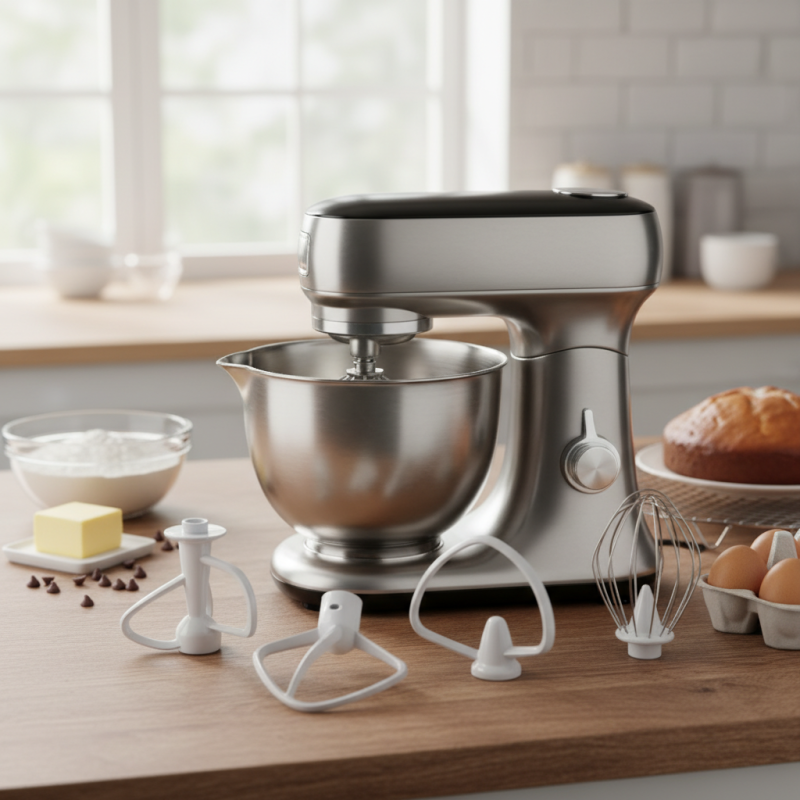
Choosing the right kitchen tools can enhance your baking experience. A Mixer With Paddles is essential for achieving that perfect consistency. Whether you're whisking batter or kneading dough, the right mixer makes a significant difference.

When selecting a Mixer With Paddles, consider your baking habits. Do you often make large batches? A powerful mixer may suit you better. If you bake occasionally, a smaller model might be enough. Look for features like speed settings and attachments. These can add versatility to your kitchen tasks.

Reflect on your budget as well. Investing in a high-quality mixer can be wise, but it doesn’t have to break the bank. Sometimes, simpler models perform just as well. Think about your needs. This process may reveal what truly matters to you in a mixer.
How to Choose the Best Mixer With Paddles for Your Baking Needs?

Understanding Mixer Types: Stand Mixers vs. Hand Mixers in Baking

How to Choose the Best Mixer With Paddles for Your Baking Needs?

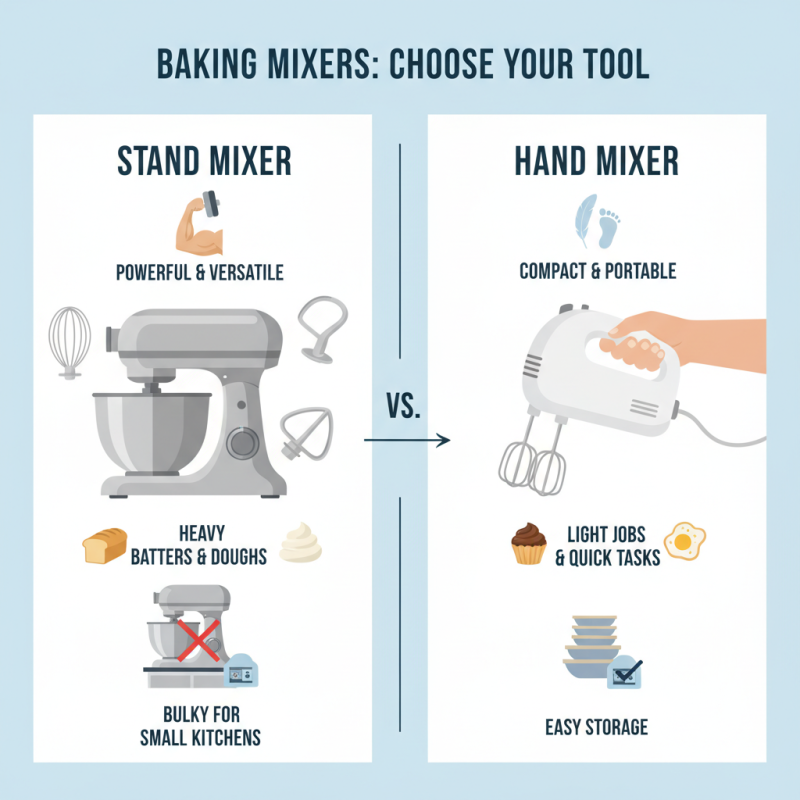
When considering mixers for baking, it’s crucial to understand the difference between stand mixers and hand mixers. Stand mixers are powerful and versatile. They usually come with various attachments for different tasks. You can mix, knead, and whip without holding anything. This makes them great for heavy batters and doughs. However, some people find them too bulky for small kitchens.

On the other hand, hand mixers are smaller and more portable. They are easy to store and perfect for quick tasks. Mixing egg whites or cream becomes a breeze. Yet, hand mixers require you to hold the device while working, which can lead to fatigue. Precision is important. Sometimes, they might struggle with thicker mixtures.

Ultimately, the choice depends on your baking habits. If you bake regularly and in larger quantities, a stand mixer may be worth the investment. But if you only occasionally whip up a cake, a hand mixer might suffice. Think about your kitchen space, the types of recipes you enjoy, and how often you might need a mixer. Each type has its pros and cons, and your needs will dictate the better choice.

Key Features to Look for in Mixer Paddles for Optimal Performance

When selecting mixer paddles, consider materials. Stainless steel is durable and resistant to corrosion. However, it can be heavy and may not be suitable for all mixing tasks. Plastic paddles are lighter and easier to handle, but they may not withstand high temperatures. According to a recent survey by the Baking Industry Association, over 42% of bakers prefer stainless steel for heavy dough mixing.

Another important feature is paddle shape. Flat paddles are ideal for creaming butter and sugar. However, they might struggle with thicker mixtures. Balloon whisks excel with airy mixtures, but they can miss out on fully integrating dense ingredients. Reports indicate that about 35% of bakers experience dissatisfaction due to paddle shape limitations.

Clarity on paddle size is also crucial. A larger paddle can mix more volume, but it may not reach all areas of the bowl efficiently. This can result in uneven mixing. Small paddles can provide better access to bowl edges but take longer. A balance is necessary to ensure optimal mixing without frustration.

Analyzing Power Ratings: How Motor Strength Affects Mixing Efficiency

When choosing a mixer, power ratings are crucial. A higher wattage often means better performance. Motors that offer 500 watts or more can handle thick batters efficiently. This is essential when mixing dough for bread or cookies. However, always check how the power translates into actual mixing ability.

Consider the type of tasks you frequently undertake. If you bake a lot, opt for a mixer with strong motor strength. They can save you time and effort. We all know the frustration of a machine that stalls during tough mixes. A reliable motor won't let you down. However, be cautious. Sometimes, more power can mean more noise.

Power ratings should not be the only factor. Think about how it fits your kitchen. A powerful mixer needs space. Also, weight can be an issue if you move it around. Reflect on your own baking needs. A balance between power, capacity, and ease of use is key. Make sure the mixer feels right in your hands. Choose wisely, and happy baking!

How to Choose the Best Mixer With Paddles for Your Baking Needs?

Mixer Model Motor Power (Watts) Mixing Speed Levels Weight (lbs) Price ($)
Model A 600 7 10.5 299
Model B 800 10 12.0 399
Model C 500 6 8.5 199
Model D 750 8 11.0 349
Model E 900 12 13.5 449

Assessing Bowl Capacity: Choosing the Right Size for Your Baking Needs

Choosing the right bowl capacity for your mixer is crucial for successful baking. A mixer with too small a bowl might not accommodate larger batches. This can lead to messy spills and uneven mixing. According to recent industry studies, many home bakers use mixers with bowl capacities ranging from 4.5 to 7 quarts. This size generally suits various baking needs, from small cookie batches to larger cakes.

Consider your typical baking projects. If you often bake bread or cakes, a larger bowl is beneficial. A 6-quart bowl can mix multiple batches of dough without overflowing. Conversely, if you're mostly making small quantities, a smaller bowl may suffice. Think about your kitchen space too. A large mixer can be cumbersome if your countertop is limited.

It’s also important to reflect on personal preferences. Some bakers prefer thicker batters, while others enjoy whipping light creams or egg whites. Mixing properties differ with bowl sizes and shapes. A poorly matched bowl could lead to compromised results. Understanding your needs will help you pinpoint the ideal bowl size. Even small adjustments in capacity can significantly affect your baking experience.

Durability and Materials: The Impact on Mixer Longevity and Maintenance

When selecting a mixer with paddles, the durability of materials is crucial. Mixers crafted from high-grade stainless steel often outperform others in longevity. Research shows that mixers with metal gears can last up to 50% longer compared to those with plastic gears. Over time, plastic may wear down, affecting performance. Paddles made from durable materials withstand tough mixing tasks, providing consistent results even with dense dough mixtures.

Regular maintenance is essential to ensure mixer longevity. Cleaning the paddles and housing after each use prevents residue build-up. A study highlighted that improper cleaning can reduce mixer efficiency by up to 30%. Inspecting attachments for wear and replacing them as needed can significantly enhance a mixer’s lifespan. Not all mixers handle maintenance equally; some require more attention than others.

Cost-effectiveness is vital. Investing in a mixer that can handle heavy-duty tasks might save money in the long run. A lower price might be tempting, but it often comes with trade-offs, such as weaker materials. It's important to balance budget and durability. Choosing the right mixer can mean the difference between frustration and baking success. Prioritizing materials and maintenance yields better performance in the kitchen.

Durability and Materials Impact on Mixer Longevity and Maintenance