How to Choose the Best Solar Fountain Aerator for Your Pond?
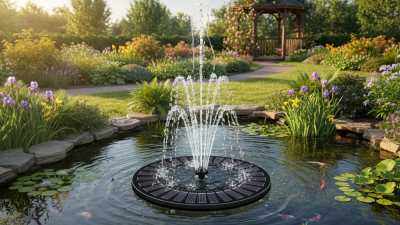
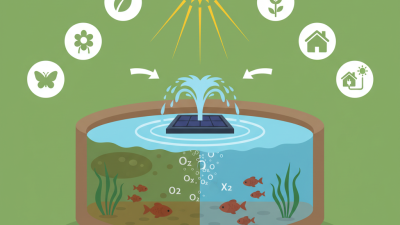
Choosing the right Solar Fountain Aerator for your pond can significantly impact its health and aesthetics. A well-functioning aerator enhances oxygen levels in the water, promoting a thriving ecosystem. Additionally, it can create beautiful water displays, attracting various wildlife.
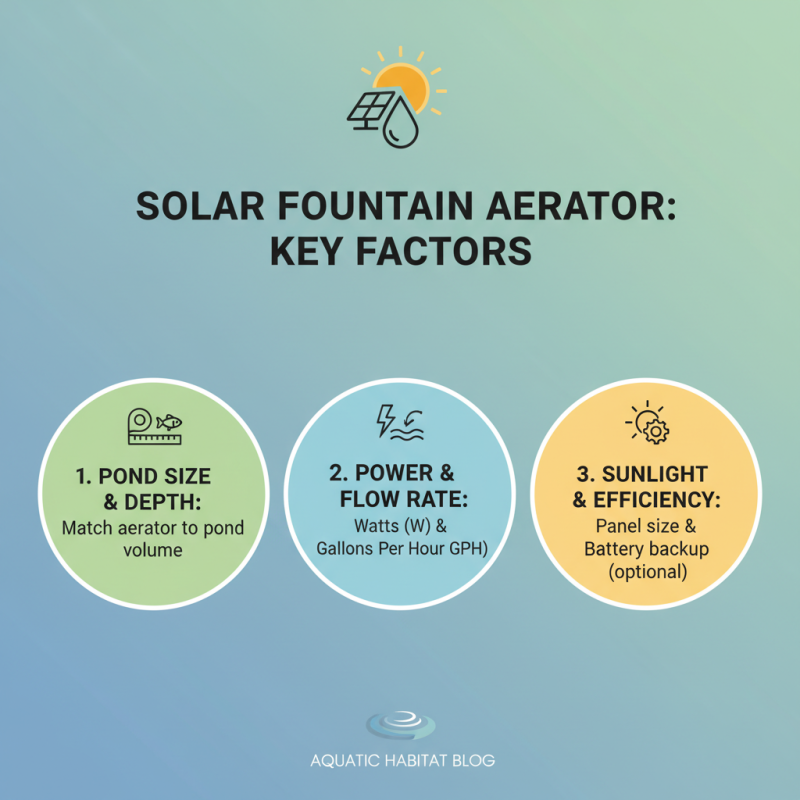
When selecting a Solar Fountain Aerator, consider pond size and depth. Some aerators work better in smaller spaces, while others are designed for larger bodies of water. Not all models are created equal; some may lack durability or efficiency. It’s crucial to research brands that have established trust and authority in the market.
Take your time evaluating different options. Look for user reviews on performance and reliability. Not every aerator will meet your expectations. The process may feel overwhelming, but careful consideration will lead you to the best choice for your pond. The right Solar Fountain Aerator can transform your outdoor space, making it a serene retreat for both you and local wildlife.
Factors to Consider When Selecting a Solar Fountain Aerator
When choosing a solar fountain aerator for your pond, several key factors warrant consideration. Look at the aerator’s size and power. A unit too small may not effectively oxygenate larger ponds. Consider how many watts it provides and the pump's flow rate. These details greatly impact performance.
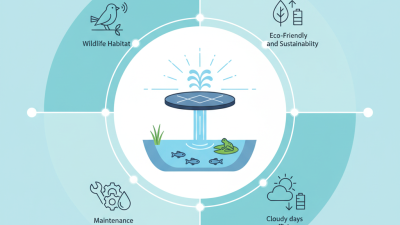
Battery longevity can also matter. A solar aerator with a robust battery can operate during cloudy days. When assessing durability, pay attention to materials. Plastic may break down faster than metal or reinforced components. It’s essential to have a unit that withstands outdoor conditions.
Tips: Check user reviews for insights on real-world performance. Look for information on installation ease and maintenance. Testing a few models can help you understand what suits your needs best. Engaging in discussions within gardening communities may uncover personal experiences that aid your decision-making process. A thorough approach will enhance your pond's ecosystem effectively.
Types of Solar Fountain Aerators Available on the Market
When selecting a solar fountain aerator, understanding the types available is critical. Solar aerators come in various models, distinguished by their design and functionality. Some feature single or multiple fountain heads, allowing for diverse water patterns. Multi-head options often create a more dynamic display, catering to aesthetic preferences in garden ponds.
Data indicates that solar aerators with a higher wattage perform better in low sunlight. According to a 2022 market report, over 70% of pond owners prefer solar aerators due to their energy efficiency and lower operational costs. Solar-powered models can significantly reduce algae growth and enhance oxygen levels in the water, making them viable for maintaining aquatic life.
However, not all solar aerators are created equal. Some may struggle on cloudy days, leading to inconsistent performance. Additionally, units with oversized solar panels may require more space than smaller ponds can accommodate. It’s important to weigh these practical aspects against your pond's specific requirements to make an informed decision.
How to Choose the Best Solar Fountain Aerator for Your Pond? - Types of Solar Fountain Aerators Available on the Market
| Type |
Power Output (W) |
Solar Panel Size (sq. ft.) |
Battery Backup |
Water Flow Rate (GPH) |
Price Range ($) |
| Standard Solar Fountain |
1-5 |
2-3 |
No |
100-250 |
50-150 |
| Solar Fountain Pump with LED Light |
2-10 |
3-5 |
Yes |
200-400 |
75-200 |
| Floating Solar Fountain |
1-3 |
1-2 |
No |
50-150 |
30-100 |
| Solar Aerator with Rechargeable Battery |
3-8 |
2-4 |
Yes |
150-300 |
60-180 |
Assessing the Size and Needs of Your Pond
Choosing the right solar fountain aerator for your pond requires careful assessment of its size and specific needs. A report by the National Pond Society suggests that ponds under 500 gallons benefit significantly from small solar aerators. Larger ponds, however, require more powerful units to ensure adequate oxygenation. This balance is crucial to maintaining healthy aquatic life.
Consider the depth and surface area of your pond. Shallow ponds require less power, while deeper ones need aerators that can reach sufficient depths. For example, a pond that is 2 feet deep and 10 feet wide needs a different aeration solution than a 5-foot deep pond. An improper match can lead to stagnant water and algae bloom.
**Tip:** Measure your pond before purchasing.
The type of fish and plants can also dictate the aeration needs. Goldfish can thrive in lower oxygen levels, while koi require more. Understanding their needs helps in deciding on the right aerator.
**Tip:** Research the specific oxygen demands of your aquatic life.
Ultimately, regular assessment is necessary because pond conditions change. Seasonal variations can affect the oxygen levels in your pond, altering the performance of your solar aerator. Keep an eye on these shifts for optimal results.
How to Choose the Best Solar Fountain Aerator for Your Pond?
This chart illustrates the optimal solar fountain aerator size based on pond area. The data represents the recommended aerator capacity in gallons per hour (GPH) for different pond sizes (measured in square feet).
Evaluating Solar Panel Efficiency and Battery Life
When selecting a solar fountain aerator for your pond, efficiency is crucial. Solar panel efficiency directly impacts the aerator’s performance. A panel with higher efficiency converts more sunlight into energy. This ensures your fountain operates optimally, even on cloudy days. Look for models with solar panels rated over 20%. They usually perform better during low sunlight conditions.
Battery life is another essential factor. An efficient battery will keep your fountain running when the sun isn’t shining. Look for aerators with rechargeable lithium batteries. They generally provide longer-lasting power compared to older models. A good battery ensures that your fountain operates consistently, even overnight. Therefore, check the battery capacity in milliamp-hours (mAh). A higher number indicates longer operation time.
Tips: Always verify user reviews. They can reveal real-world performance anecdotes. Also, consider seasonal changes. Some areas might have limited sunlight during winter. In such cases, an aerator with a good battery is even more necessary. Keep in mind that maintenance impacts both efficiency and battery life. Regular cleaning can help optimize performance.
Maintenance Tips for Optimal Performance of Solar Aerators
Maintaining your solar fountain aerator is essential for keeping your pond healthy. Regular cleaning prevents debris buildup that can hinder aeration performance. Reports indicate that over 40% of pond owners overlook this crucial step, leading to reduced oxygen levels in water. It's vital to inspect your aerator’s solar panels. Dust and dirt can significantly limit efficiency. A simple wipe-down can enhance performance.
Tips for optimal performance include positioning the aerator where it receives direct sunlight. Studies show that units receive up to 50% more energy in full sun. Check the aerator's pump regularly for clogs. A clogged pump can decrease water circulation. Another point to consider is seasonal changes. Harsh conditions can wear down components. Ensuring that your aerator is winterized can prolong its lifespan.
It's also important to monitor your pond's water quality. Solar aerators can maintain dissolved oxygen levels, crucial for aquatic life. However, owners often forget even basic water testing. Neglecting this step can lead to imbalances and algae blooms. Regular monitoring and maintenance can help prevent these issues, ensuring a thriving pond ecosystem.