How to Choose the Best Small Floating Fountain for Your Pond
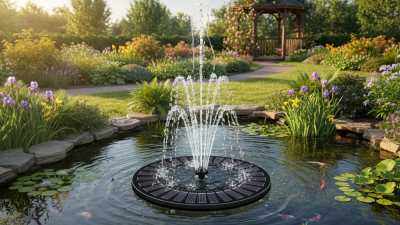
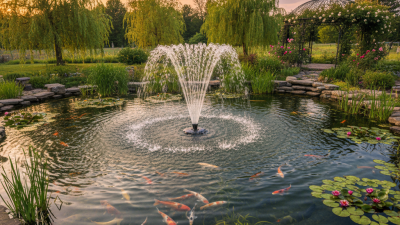
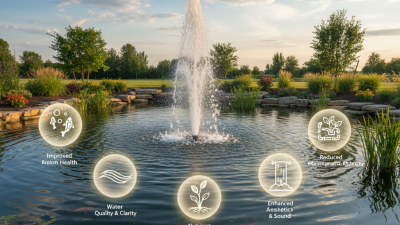
Choosing the best small floating fountain for your pond is an essential consideration for any pond owner looking to enhance their aquatic environment. Small floating fountains add both aesthetic appeal and functionality, creating a captivating visual centerpiece that can transform the ambiance of your outdoor space. These features not only amplify the beauty of your pond but also play a crucial role in maintaining water quality by promoting aeration, which is vital for the health of aquatic life.
When selecting the ideal small floating fountain for your pond, it is important to consider various factors, including the fountain's design, spray patterns, water depth compatibility, and energy efficiency. Each of these elements contributes to the fountain's overall performance and how well it integrates into your pond's ecosystem. With a plethora of options available, understanding your needs and the specific conditions of your pond will guide you in making an informed choice that harmonizes functionality with beauty. This guide will explore key aspects to help you find the perfect small floating fountain for your pond, ensuring that your investment enhances both the visual and ecological health of your water feature.
Factors to Consider When Selecting a Small Floating Fountain
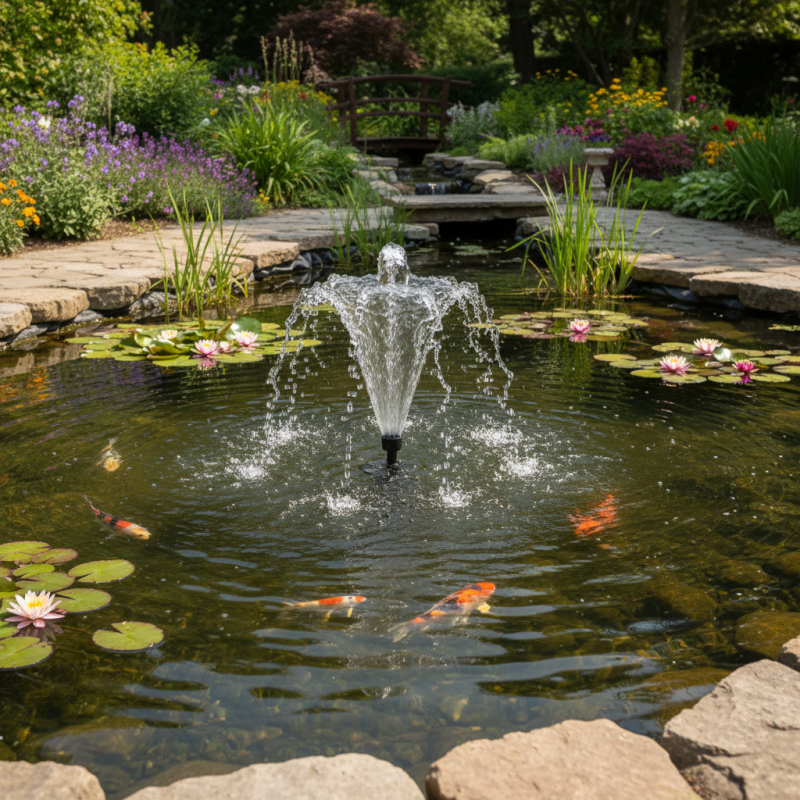
When selecting the best small floating fountain for your pond, several factors should be taken into account to ensure it meets both aesthetic and functional needs.
First, you should assess the size of your pond. A fountain that is too large for a small pond can overwhelm the space, creating a chaotic appearance, while a small fountain may get lost in a larger environment.
It’s essential to choose a fountain that harmonizes with the dimensions of your pond.
Another critical factor to consider is the fountain's power source. Many small floating fountains are powered by electricity, while others may operate on solar energy. If your pond is situated in a sunny spot, a solar-powered fountain can be an eco-friendly and cost-effective option. Conversely, electric fountains might provide more consistent performance but require access to a power outlet.
Lastly, think about the type of water features you want—whether it’s a gentle spray, a robust jet, or lighting effects at night can significantly influence your choice. By carefully considering these factors, you can find a fountain that enhances your pond's beauty while also ensuring it functions effectively within your chosen environment.
Types of Small Floating Fountains Suitable for Ponds
When selecting a small floating fountain for your pond, understanding the different types available is crucial for ensuring a perfect fit for your water feature. Small floating fountains often vary in design, performance, and aesthetics, each serving different needs and preferences. The two primary types to consider are aerating fountains and decorative fountains. Aerating fountains focus on improving water circulation and oxygenation, essential for maintaining a healthy aquatic ecosystem. Reports indicate that increased oxygen levels can significantly enhance fish health and aquatic plant growth, making aerating fountains a popular choice in eco-conscious pond management.
On the other hand, decorative fountains prioritize visual appeal, creating a stunning centerpiece in any pond. They come in diverse spray patterns and lighting options, allowing you to customize the fountain’s look to suit the surrounding landscape. According to a recent study by the Water Garden Society, aesthetically pleasing water features can increase property values by up to 15% and enhance the overall enjoyment of outdoor spaces. It’s important to weigh these different types against your goals—whether you seek functional benefits for aquatic life or a striking visual enhancement for your setting.
How to Choose the Best Small Floating Fountain for Your Pond
| Type of Fountain |
Pump Power (W) |
Water Flow Rate (GPH) |
Spray Height (ft) |
Ideal Pond Size (sq ft) |
| Classical Tiered Fountain |
50 |
400 |
2 |
200 |
| Bell Fountain |
75 |
600 |
3 |
300 |
| Lighted Fountain |
60 |
500 |
2.5 |
250 |
| Dancing Jetter Fountain |
40 |
350 |
2 |
150 |
| Windmill Fountain |
55 |
450 |
3.5 |
280 |
Assessing the Size and Depth of Your Pond for Fountain Installation
When selecting the best small floating fountain for your pond, it's crucial to first assess the size and depth of your water feature. A well-placed fountain can enhance the aesthetic appeal of your pond while improving aeration and water circulation. According to the Water Quality and Technology Conference, fountains can significantly increase oxygen levels in pond water, which is beneficial for aquatic life. However, an oversized fountain in a small pond can disrupt the ecosystem, cause excessive splashing, and lead to unwanted erosion along the banks.
Experts suggest that the size of the floating fountain should be proportionate to the pond’s dimensions. For instance, a fountain's height should ideally not exceed one-third of the pond's depth. If your pond is shallow, typically less than 12 inches deep, a smaller, low-profile fountain is recommended. Conversely, deeper ponds, generally over 24 inches, can accommodate larger fountains that provide more dramatic water displays. Additionally, the overall volume of the pond should influence the fountain's horsepower; a fountain designed for a pond with less than 500 gallons should have a lower flow rate to maintain balanced water levels and prevent overflow or unwanted turbulence. By carefully evaluating these aspects, homeowners can ensure a harmonious integration of a fountain into their pond while fostering a healthy aquatic environment.
Maintenance Requirements for Small Floating Fountains
Maintenance is a crucial aspect to consider when selecting a small floating fountain for your pond, as it directly impacts the longevity and performance of the fountain. Regular upkeep, such as cleaning the filter and inspecting the pump, ensures that the fountain operates efficiently. According to a report from the Water Garden Association, approximately 60% of pond owners underestimate the effort required for maintaining their floating fountains, which can lead to reduced water quality and aesthetic issues.
In addition to routine cleaning, monitoring the water levels and checking for debris accumulation are essential for optimal functioning. The Outdoor Power Equipment Institute has noted that neglected maintenance can decrease a fountain's energy efficiency by up to 20%, increasing operational costs. Therefore, it’s advisable to establish a maintenance schedule, ideally performing checks weekly during the active season to keep the fountain in pristine condition.
Moreover, seasonal considerations play a significant role in the maintenance of small floating fountains. A study by the National Association of Pond Professionals indicates that during colder months, owners should take precautions to prevent freezing, which could damage the pump and associated components. Paying attention to these maintenance requirements not only enhances the beauty of your pond but also extends the lifespan of the fountain, ultimately providing a more enjoyable water feature.
Maintenance Requirements for Small Floating Fountains
Budgeting for Your Small Floating Fountain Purchase and Installation
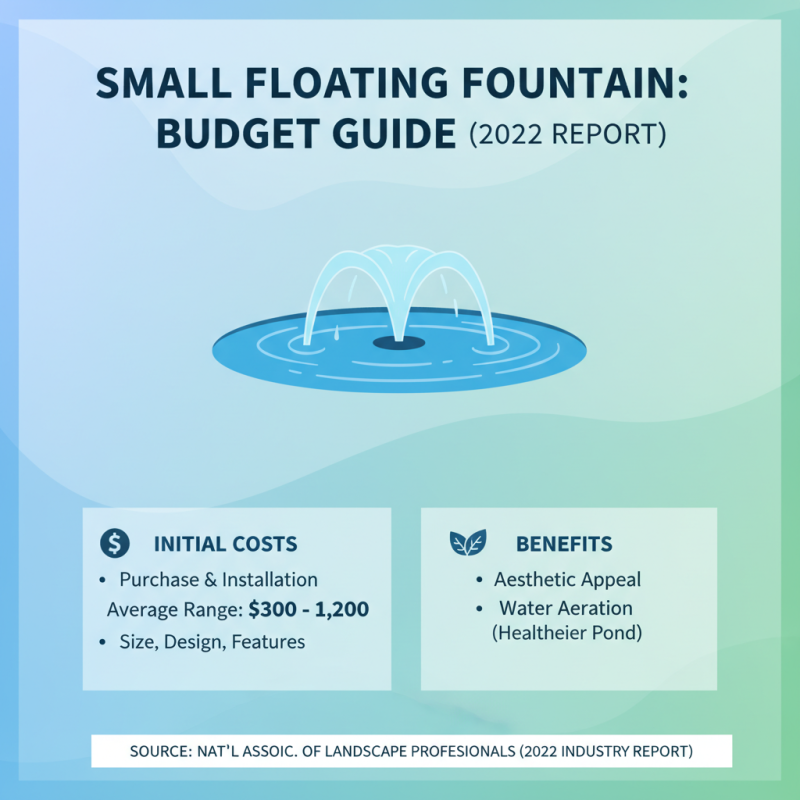
When budgeting for a small floating fountain, it's essential to consider both the initial purchase and installation costs. According to a 2022 industry report by the National Association of Landscape Professionals, the average cost of a small floating fountain ranges from $300 to $1,200, depending on the size, design, and features. This investment not only enhances the aesthetic appeal of your pond but also contributes to water aeration, improving the overall health of the aquatic ecosystem.
Installation costs can vary significantly based on complexity and labor requirements. Typically, professional installation can add an additional $200 to $500 to your budget. However, many pond owners opt for DIY installation to save costs, given that most small floating fountains come with user-friendly instructions. Keep in mind that ongoing maintenance expenses, such as cleaning and potential repairs, should also be factored into your overall budget. Research by the Pond and Garden Association indicates that annual maintenance can range from $100 to $300, depending on the surrounding environment and fountain usage, so plan accordingly to ensure your fountain remains a beautiful and functional addition to your pond.