How to Choose the Best Floating Pond Aerator Fountain for Your Water Garden
When it comes to maintaining the health and aesthetics of water gardens, choosing the right equipment can make a significant difference. One critical component is the Floating Pond Aerator Fountain, which not only provides aeration to support aquatic life but also enhances the visual appeal of your pond. According to a report from the Water Quality Research Journal, properly aerated ponds can increase dissolved oxygen levels by up to 50%, promoting a thriving ecosystem that supports fish and plant life.
Furthermore, studies indicate that water features like aerator fountains can reduce algae growth by facilitating better oxygen circulation, ultimately leading to clearer water and a more attractive landscape. The global market for pond aerators has witnessed a notable increase, with a forecast indicating a growth rate of over 7% annually as more individuals recognize the environmental benefits of proper pond management. In this context, selecting the best Floating Pond Aerator Fountain becomes essential for optimal pond health, aesthetic enhancement, and overall enjoyment of your water garden.
Factors to Consider When Selecting a Floating Pond Aerator Fountain
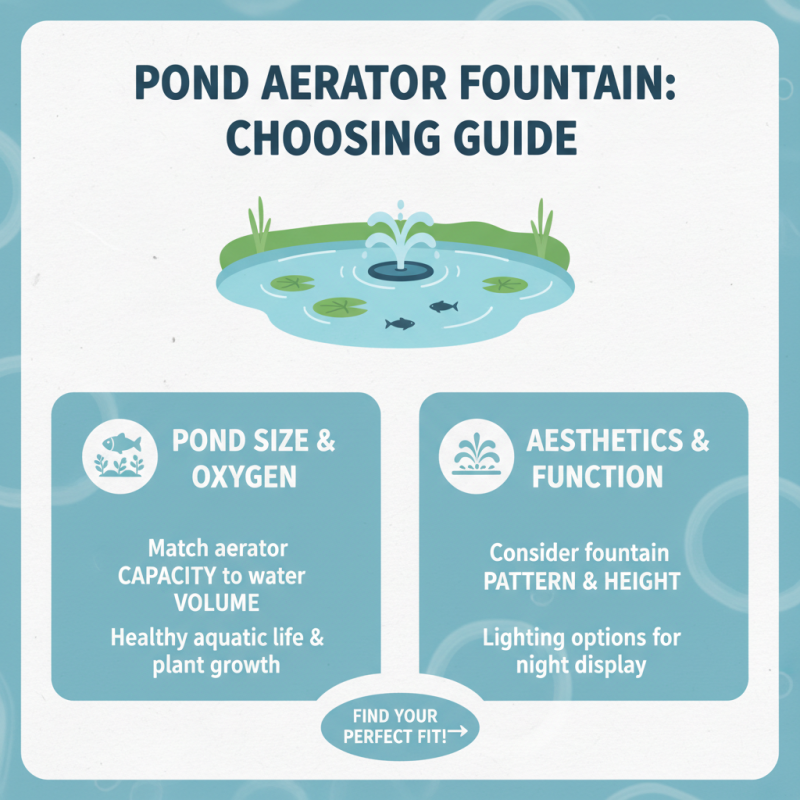
When selecting a floating pond aerator fountain for your water garden, several factors come into play to ensure you make the best choice for both aesthetics and functionality. Firstly, consider the size of your pond. The aerator's capacity needs to match the volume of water in your pond to maintain adequate oxygen levels. A well-aerated pond promotes healthy aquatic life and plant growth, so understanding your pond's specifications is crucial in finding the right fit.
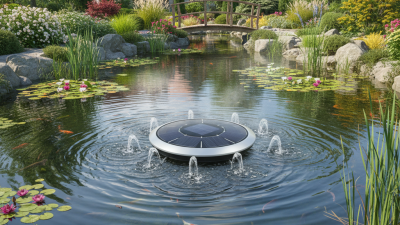
Another vital consideration is the design and style of the fountain. Floating aerators come in various designs, from simple spray patterns to ornate displays. Depending on your garden's overall theme and personal preferences, choose a fountain that complements your landscape while serving its purpose effectively. Additionally, think about the installation and maintenance requirements. Some models may be easier to set up and require less upkeep than others, so select one that fits your lifestyle and ensures that your water garden remains a serene oasis.
**Tips:** Before making a purchase, read reviews and seek feedback from other pond owners to gauge the performance and reliability of various models. It's also helpful to consider energy consumption; choosing a more energy-efficient aerator can save you money in the long run. Lastly, look for features like adjustable spray heights and built-in LED lighting, which can enhance the visual appeal of your pond while providing functionality.
Understanding the Benefits of Aeration for Pond Health and Clarity
Aeration plays a crucial role in maintaining the health and clarity of your water garden. By introducing oxygen into the water, aerators help stimulate the growth of beneficial bacteria, which break down organic matter and reduce harmful toxins. This process is essential for creating a balanced ecosystem that supports aquatic life. As a result, plants can thrive, and fish can enjoy a healthier habitat, free from algae blooms and stagnation that often arise in poorly oxygenated ponds.
Moreover, proper aeration enhances water circulation, distributing nutrients more evenly throughout the pond. This equilibrium helps prevent stratification, where layers of water become isolated and stagnant. By ensuring that water is constantly moving, aerators reduce the risk of unpleasant odors and murky water, making your pond more visually appealing and enjoyable. Ultimately, understanding these benefits will guide you in choosing the right floating pond aerator fountain, leading to a vibrant and flourishing aquatic environment.
How to Choose the Best Floating Pond Aerator Fountain for Your Water Garden - Understanding the Benefits of Aeration for Pond Health and Clarity
| Aspect |
Description |
Benefits |
| Aeration Method |
Floating fountain with aeration capabilities |
Improves water oxygen levels |
| Size of Pond |
Recommended for ponds up to 1 acre |
Effectively serves larger water bodies |
| Power Requirements |
Requires 110-120V power source |
Convenient for home use |
| Flow Rate |
Variable flow rate options available |
Customized aeration for specific needs |
| Material |
Durable, weather-resistant materials |
Long-lasting performance |
| Installation |
Easy setup with minimal tools |
Saves time and effort |
| Maintenance |
Regular cleaning of filters recommended |
Ensures efficient operation |
Types of Floating Pond Aerators: Comparing Performance and Efficiency
When selecting a floating pond aerator fountain for your water garden, understanding the different types available and their efficiency is crucial. Aerators primarily fall into three categories: surface aerators, bottom aerators, and fountain-style aerators. Each type serves to enhance oxygen levels in the water, but their effectiveness can vary significantly based on design and operational factors. According to the American Fisheries Society, surface aerators are particularly effective in smaller ponds as they facilitate direct air-water interaction, increasing oxygen transfer rates by up to 50%.
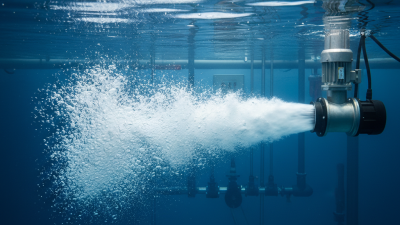
On the other hand, bottom aerators are designed to introduce air directly to the substrate, promoting deeper water circulation. These systems can be more energy-efficient, especially in larger ponds, as they minimize the need for continuous surface agitation. A report by the Pond & Garden Registry highlights that bottom aerators can reduce energy consumption by as much as 40% compared to surface models while maintaining optimal oxygen levels. Lastly, fountain-style aerators provide aesthetic appeal alongside functionality, often serving a dual purpose of aeration and water circulation. However, their performance can be influenced by nozzle design and water flow rates, making careful consideration necessary when assessing efficiency for your specific needs.
Maintenance Requirements and Lifespan of Floating Aerators for Ponds
When selecting a floating pond aerator fountain for your water garden, understanding its maintenance requirements and longevity is crucial for ensuring optimal performance and aesthetics. Regular upkeep is necessary to keep the aerator functioning effectively. This includes cleaning debris from the submerged components, checking for any wear and tear, and ensuring that the power supply is working efficiently. It's advisable to inspect the fountain at least once a month, especially during the peak seasons when algae blooms may be more prevalent. Neglecting maintenance can lead to reduced water circulation, which affects not only the fountain's appearance but also the health of the aquatic ecosystem.
The lifespan of floating aerators can vary significantly depending on factors such as build quality, exposure to environmental elements, and frequency of maintenance. Generally, a well-maintained aerator can last anywhere from 5 to 15 years. Choosing a model made from durable materials will enhance its longevity, while regular checks and timely repairs can prevent minor issues from escalating into major problems. Additionally, seasonal adjustments, such as winterizing the fountain, can protect it from harsh weather conditions, further extending its operational life. By prioritizing maintenance and mindful care, pond owners can enjoy the benefits of a vibrant and healthy water garden for many years.