Why You Should Build Your Own Nano Bubble Generator DIY?
Building your own Nano Bubble Generator DIY can be an exciting and beneficial project. This device creates tiny bubbles that improve water quality. It enhances oxygen levels and reduces pollutants. Many people overlook DIY projects, thinking they are too complicated. Yet, with some guidance, anyone can create one.
Imagine a clearer fish tank or healthier plants. The nano bubbles can penetrate small spaces that regular bubbles can't. It's a cost-effective solution, saving money in the long run. You might encounter some challenges along the way, such as sourcing materials or perfecting the design. Reflecting on these hurdles can lead to innovations in your approach.
DIY projects encourage creativity and problem-solving. While building your Nano Bubble Generator, you might need to rethink your methods. Experimentation can yield unique results. The journey is just as important as the final product, providing a personalized learning experience. Dive into this project and enjoy the unexpected discoveries!
Benefits of Nano Bubble Technology in Water Treatment and Agriculture
Nano bubble technology is transforming water treatment and agriculture. Nano bubbles are tiny gas-filled bubbles that can enhance water quality. Their unique properties make them effective in removing contaminants. Reports indicate that nano bubbles can reduce chemical use by up to 50% in farming. They improve nutrient absorption, leading to healthier crops.
In water treatment, nano bubbles can disintegrate harmful substances. Studies show they can eliminate up to 90% of bacteria in certain conditions. This is significant for enhancing drinking water safety. However, not all systems are equally effective. Some setups may struggle to maintain bubble stability or require constant monitoring.
The benefits of this technology are substantial, yet challenges persist. Users might find it difficult to create an optimal setup. Technical know-how is often necessary, which can be a barrier for beginners. Despite these hurdles, the potential advantages, like reduced environmental impact and improved efficiency, make it worth exploring. Experimentation is key for achieving desired results.
Understanding the Science: How Nano Bubbles Are Generated and Stabilized
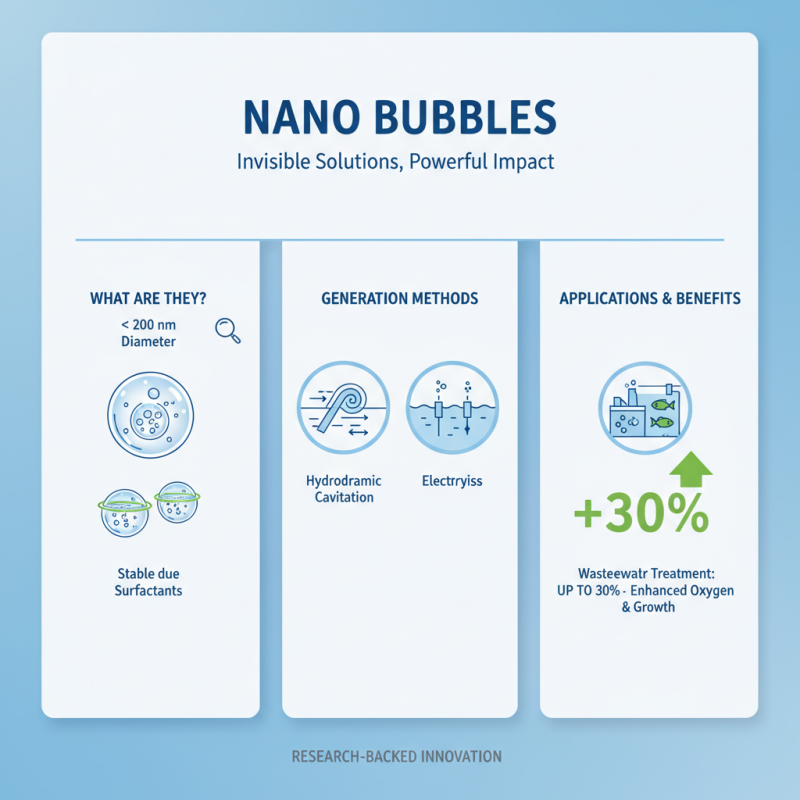
Nano bubbles are incredibly small gas bubbles, typically less than 200 nanometers in diameter. Their generation involves various methods, including hydrodynamic cavitation and electrolysis. These methods create conditions that allow gas to dissolve into water. As the bubbles form, they remain stable due to a thin layer of surfactants that prevent them from collapsing. Research from industry experts shows that nano bubbles can enhance reactions in wastewater treatment and aquaculture, improving efficiency by up to 30%.
When building your own nano bubble generator, focus on maintaining consistent pressure and flow rates. Problems can arise if the bubbles are not stabilized properly, leading to rapid collapse. This can defeat the purpose of enhancing water quality. Incorporate materials that can withstand high pressures. Simple PVC pipes may not cut it for long-term use.
**Tip:** Experiment with various surfactants to find the best combination for stabilization. Keep in mind that each environment may require different adjustments.
Some issues could arise from improper assembly. Always double-check connections and fittings. Observing the performance of your generator can provide valuable insights.
**Tip:** Take notes on how changes affect bubble size and stability. Documenting your process can lead to better results over time.
Cost Analysis: DIY Nano Bubble Generators vs. Commercial Alternatives
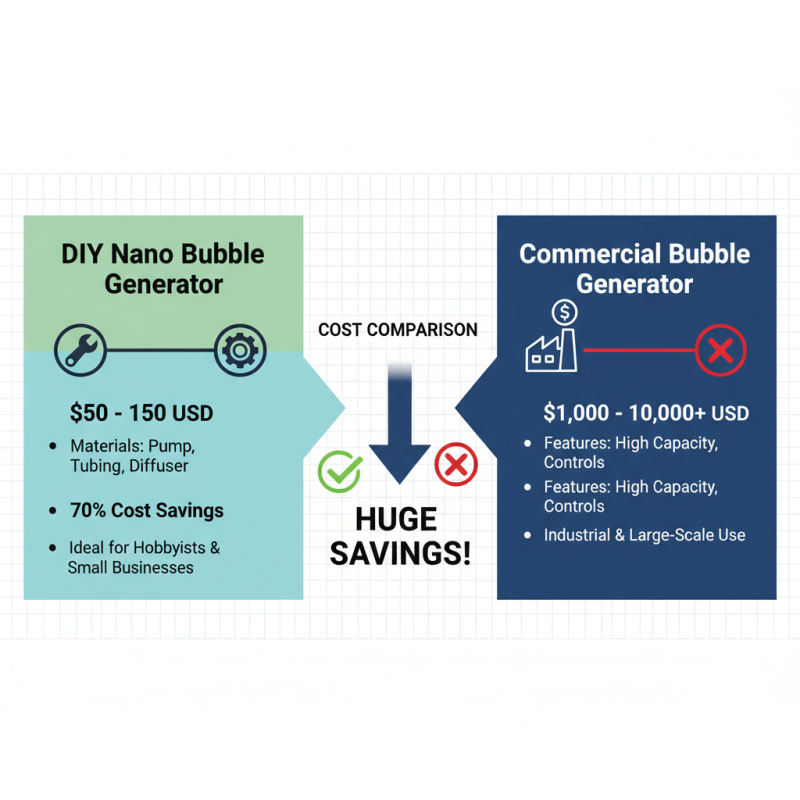
When considering the cost of a DIY nano bubble generator, it's essential to compare it against commercial options. A DIY setup typically costs between $50 and $150, depending on materials. In contrast, commercial generators can range from $1,000 to $10,000. This stark difference makes DIY appealing for budget-conscious individuals or small businesses. Data from industry reports suggest that over 70% of DIY enthusiasts find significant cost savings in their projects.
However, building your own generator isn't without risks. The efficiency of a homemade unit may not match that of professional models. A report from the Journal of Environmental Engineering indicates that some commercial systems can achieve bubble sizes below 100 nanometers, which can improve performance in water treatment processes. In comparison, a DIY approach might only result in larger bubbles, reducing effectiveness.
Moreover, crafting a reliable nano bubble generator requires technical knowledge. Mistakes can lead to suboptimal performance or even failure of the project. It’s crucial to weigh the initial savings against potential future costs if the DIY solution doesn’t perform as expected. Continuous improvements and adjustments may be necessary, showcasing the ongoing commitment involved in DIY projects.
Essential Materials and Tools Needed for Building a Nano Bubble Generator
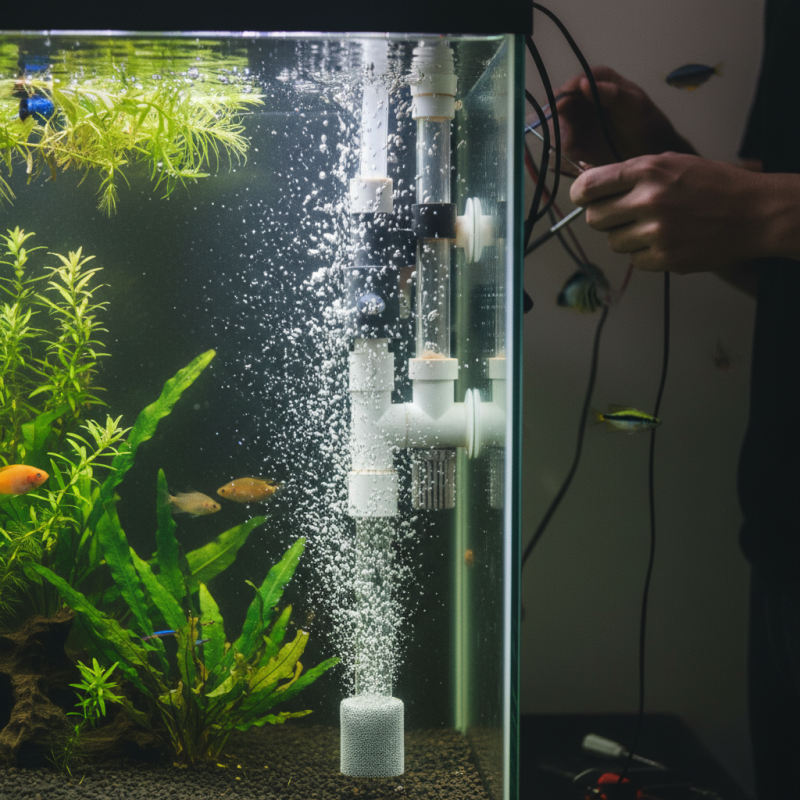
Building a nano bubble generator is an engaging DIY project. The right materials and tools make this effort feasible. Essential components include a high-efficiency air pump. A small size is preferable for compact setups. Next, a diffuser is necessary for bubble creation. Micro-perforated membranes work best.
Using water is vital in this process. Quality matters—tap water may not suffice. Consider using filtered water for better results. Additionally, you will need tubing to connect the pump and diffuser. Ensure the tubing is airtight. Any leaks reduce efficiency.
Tools like pliers and a cutting device are also crucial. The assembly might have trial and error phases. It’s important to note that research shows nano bubbles improve oxygenation in water by up to 30%. While exciting, it's clear that imperfections in the design may hinder outcomes. Regular adjustments are key to optimizing your generator's performance. With patience and creativity, crafting your nano bubble generator can lead to impressive results.
DIY Nano Bubble Generator: Material and Tool Usage Comparison
Real-World Applications: Case Studies of Successful Nano Bubble Implementations
Nano bubbles are revolutionizing various industries. Recent studies show that these tiny bubbles can improve water treatment processes significantly. For instance, in aquaculture, the application of nano bubbles increased oxygen levels by over 30%. This led to healthier fish and better yields for farmers.
In agriculture, nano bubble technology is making waves. Farmers using nano bubble generators report up to 20% higher crop yields. This is due to better nutrient absorption and enhanced soil health. However, not everyone has achieved these results. Some have faced challenges in maintaining optimal bubble size and dispersion.
Case studies highlight both successes and pitfalls. One facility reported a dramatic decrease in algae blooms using nano bubbles. Yet, another struggled with inconsistent performance, pointing to the need for proper calibration. Ongoing research is critical to understanding these discrepancies. The potential is vast, but so are the challenges in implementation.
Why You Should Build Your Own Nano Bubble Generator DIY? - Real-World Applications: Case Studies of Successful Nano Bubble Implementations
| Application Area |
Case Study |
Outcome |
Benefits |
| Aquaculture |
Increased fish survival rate |
90% survival rate, reduced stress |
Improved water quality, faster growth |
| Wastewater Treatment |
Enhanced sludge reduction |
50% reduction in sludge volume |
Lower disposal costs, better efficiency |
| Agriculture |
Soil revitalization |
35% increase in crop yield |
Sustainable farming, reduced chemical use |
| Food Processing |
Extended shelf life |
20% longer freshness |
Reduced waste, enhanced quality |
| Environmental Remediation |
Pollution cleanup in rivers |
Significant reduction in contaminants |
Improved ecosystem health, community benefits |