10 Best Wastewater Screw Press Solutions for Efficient Treatment?
In the evolving landscape of wastewater management, finding efficient treatment solutions is crucial. One such solution is the Wastewater Screw Press, which has garnered attention for its effectiveness. According to Dr. Emily Carter, a renowned expert in wastewater treatment, “The Wastewater Screw Press offers innovative technology that transforms waste treatment."
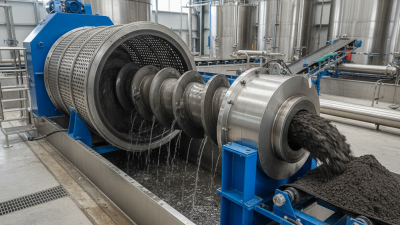
This technology efficiently separates solids from liquids, reducing sludge volume significantly. As more wastewater facilities implement these systems, the benefits become evident. However, not all Wastewater Screw Press models perform equally. Some may require frequent maintenance or lack optimal efficiency.
Choosing the right design is vital. Facilities must consider factors like capacity and durability. It's imperative to engage with industry experts and conduct thorough research. Reflecting on real-world applications, the choices made today will shape the future of wastewater treatment. Embracing advanced technologies like the Wastewater Screw Press is a step toward better environmental sustainability.
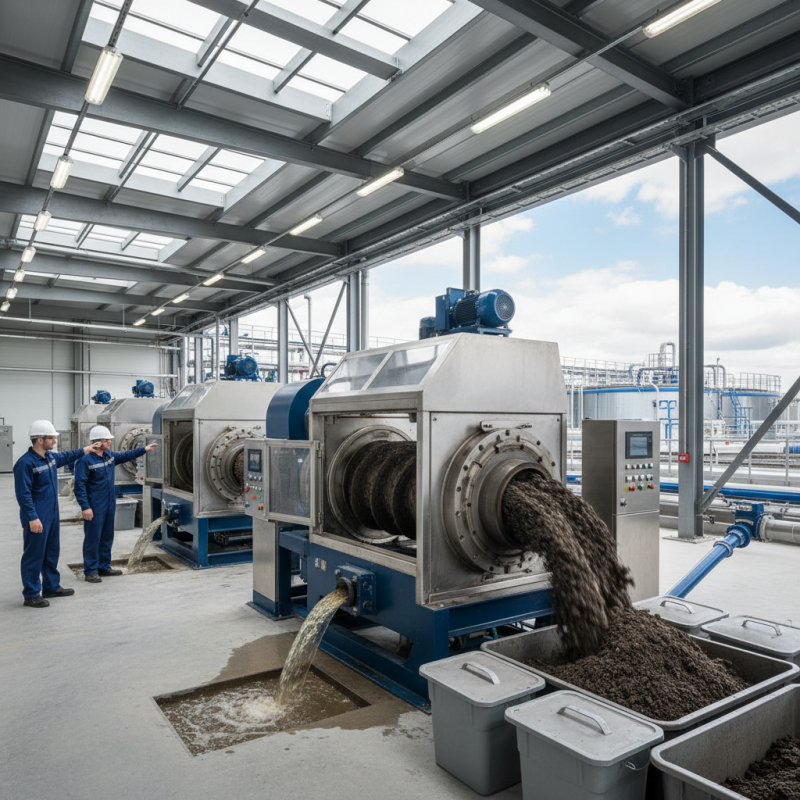
Overview of Wastewater Screw Press Technology
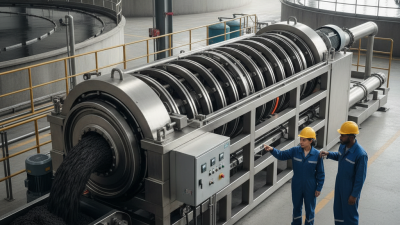
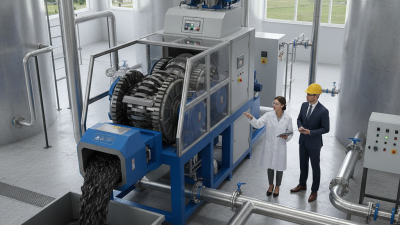
Wastewater screw press technology has emerged as a significant innovation in the treatment of wastewater. This method involves the use of a helical screw to dewater sludge. According to industry reports, screw presses can achieve over 80% water removal efficiency. Due to their compact design, they can be easily integrated into existing treatment facilities. This feature helps in optimizing space and reducing operational costs.
One interesting aspect is the variability in performance. Factors such as sludge characteristics and flow rates can greatly affect results. It's crucial to continuously monitor these conditions to ensure the technology operates at peak efficiency. In some cases, alternative dewatering options may yield better results. Thus, periodic evaluations are essential for optimizing operations.
**Tip:** Regular maintenance is key for efficient performance. A simple cleaning schedule can prevent clogging and ensure consistent operation. Furthermore, training staff on best practices can significantly improve dewatering outcomes. Always consider the nature of the sludge before deciding on the technology to use.
10 Best Wastewater Screw Press Solutions for Efficient Treatment
| Model |
Capacity (m³/h) |
Solids Reduction (%) |
Power Consumption (kW) |
Maintenance Frequency (months) |
| Model A |
10 |
75 |
5 |
6 |
| Model B |
15 |
70 |
7 |
5 |
| Model C |
20 |
80 |
6 |
8 |
| Model D |
12 |
76 |
5.5 |
7 |
| Model E |
18 |
70 |
6.5 |
5 |
Key Factors in Selecting a Wastewater Screw Press
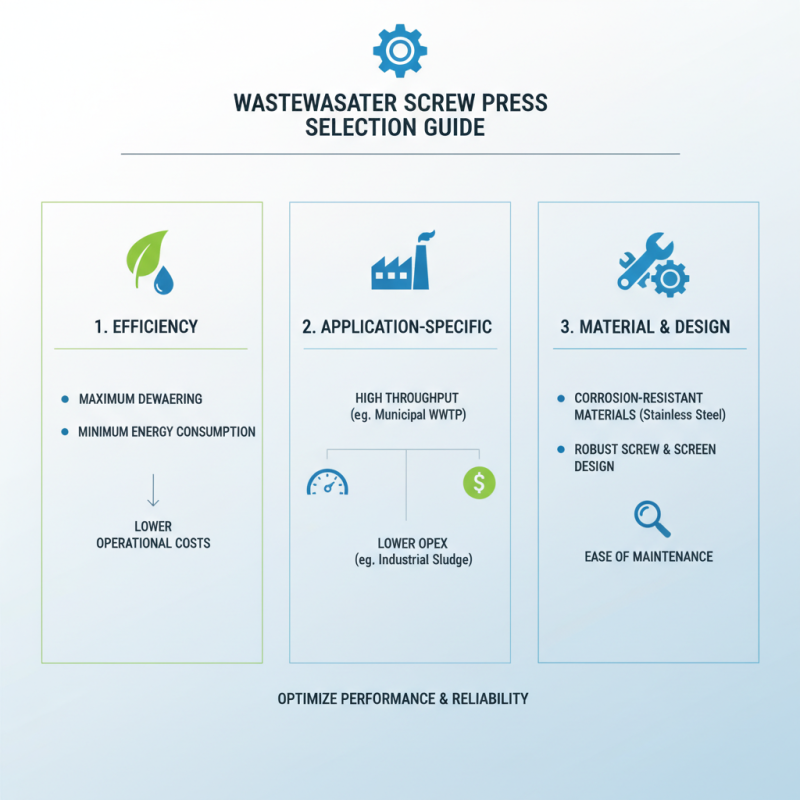
When selecting a wastewater screw press, several key factors must be considered. Efficiency is crucial. Look for designs that maximize dewatering while minimizing energy consumption. Different applications may require distinct performance metrics. For instance, some processes may benefit from higher throughput, while others emphasize lower operational costs.
Consider the material construction as well. Durable components can prolong the lifespan of the equipment. Corrosion resistance is vital in aggressive environments. Yet, it is equally important to keep maintenance in mind. Complex units may require significant downtime for repairs, which can disrupt operations.
Another aspect to reflect upon is the size and footprint of the unit. Space constraints can influence choices, especially in urban settings. A compact design may be beneficial, but ensure it does not compromise performance. Furthermore, compatibility with existing systems is paramount for seamless integration. This often requires a careful assessment of existing infrastructure and potential upgrade paths. Making these selections thoughtfully can lead to improved treatment efficiency and long-term sustainability for wastewater management.
Top 10 Wastewater Screw Press Solutions Reviewed
Wastewater treatment has evolved significantly in recent years. Screw press solutions are crucial for efficient dewatering. According to a 2022 industry report, the global market for wastewater treatment technologies is expected to grow by 7.5% annually. This illustrates the increasing demand for effective solutions.
In this competitive landscape, numerous options exist. For instance, some screw press designs can achieve over 90% dewatering efficiency, reducing operational costs significantly. However, not all solutions are perfect. Some systems may struggle with certain types of sludge, leading to suboptimal performance. It's important to evaluate these cases carefully.
Additionally, user feedback often highlights issues with maintenance and durability. Regular upkeep is critical to ensure longevity and efficiency. Some operators have reported frequent clogging, which requires immediate attention. These challenges remind us that no solution is without its flaws. Identifying the right technology involves considering both benefits and limitations carefully.
Advantages of Using Screw Presses for Wastewater Treatment
Wastewater screw presses have become essential in modern treatment processes. These machines efficiently dewater sludge, reducing the volume significantly. The advantage lies in their simple design and effectiveness. They operate with minimal parts, leading to lower maintenance costs. This aspect is attractive for many facilities. However, improper operation can lead to inefficiencies.
Screw presses can handle varying sludge types. This flexibility allows treatment plants to adapt to changing conditions. The energy consumption is also lower compared to traditional methods. This makes them more environmentally friendly. However, the initial investment may be a concern for some. It's crucial to weigh long-term savings against upfront costs.
Higher dry solids content is another benefit of screw presses. This means less liquid to manage after treatment. Decreased disposal costs can be a significant advantage. Yet, achieving optimal performance can be challenging. Operators must monitor the process closely for best results. It’s not a set-and-forget solution; continuous attention is necessary for efficiency.
Future Trends in Wastewater Screw Press Technology
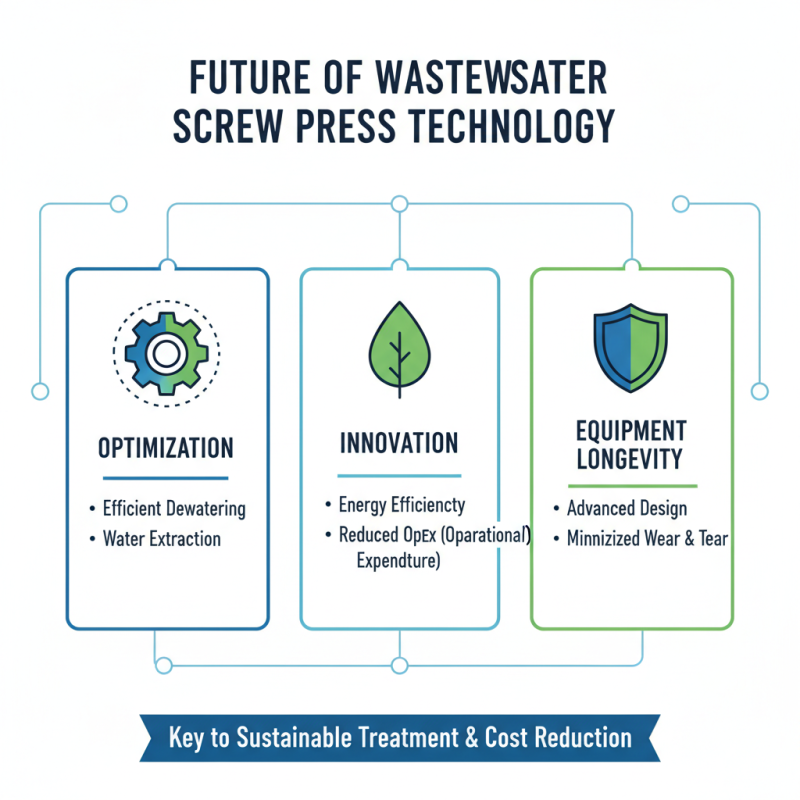
The future of wastewater screw press technology is gaining attention. These systems are crucial for efficient treatment processes. Innovations are emerging, focusing on energy efficiency and reduced operational costs. Many plants are seeking ways to optimize water extraction. Advanced designs can minimize wear and tear, extending equipment lifespan.
Moreover, automation is a growing trend. Smart technologies are integrating with screw presses. This allows for real-time monitoring and adjustments. Operators can access data remotely, improving decision-making. However, this shift raises concerns about the dependence on technology. What if systems fail? Reliance on automation can sometimes overlook human expertise.
Environmental sustainability is a key driver. Technologies are evolving to recycle and reuse water more effectively. However, not all solutions are equal. Some may prove inefficient in unique plant conditions. There's a need for tailored approaches. Every facility has different needs, and a one-size-fits-all solution may falter. Continuous learning and adaptation are essential for the industry's future growth.