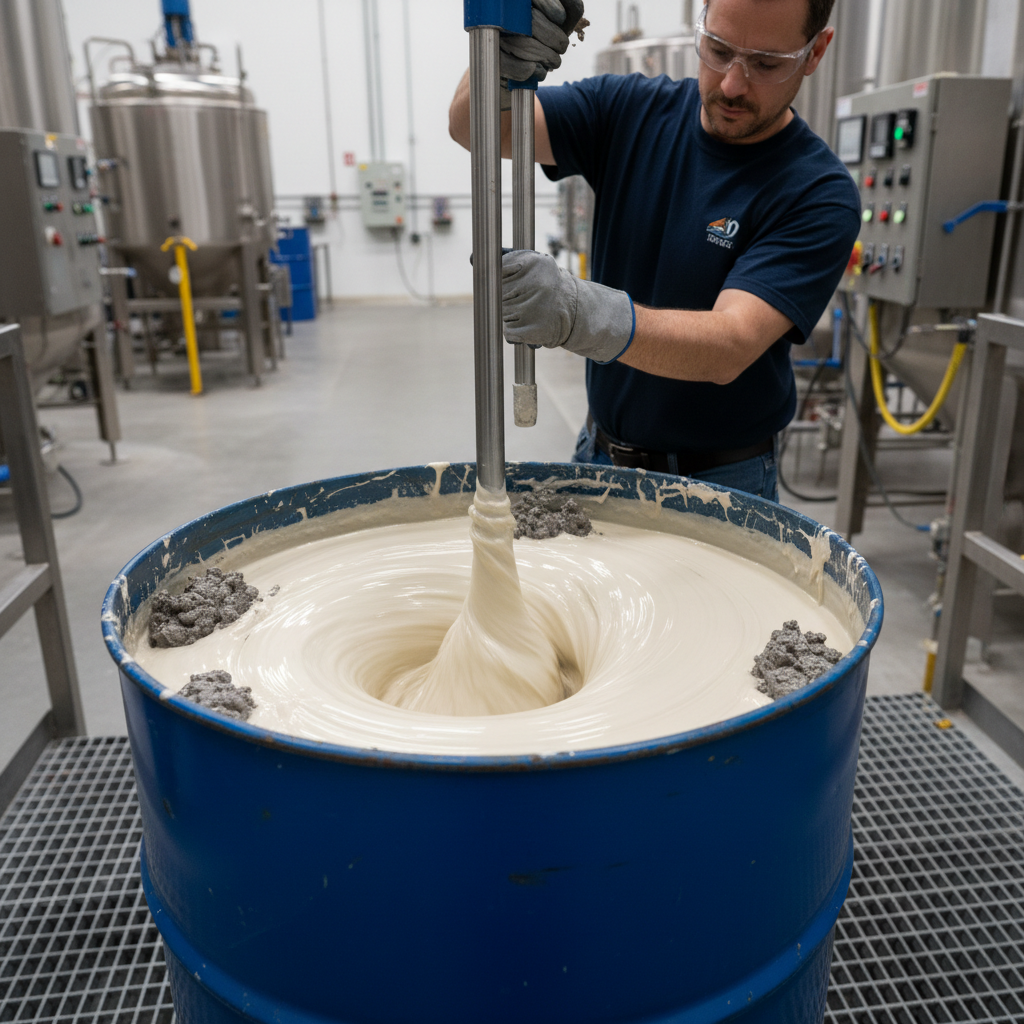
55 Gallon Drum Stirrer Tips for Optimal Mixing and Efficiency
In the world of industrial mixing, the efficiency and effectiveness of processes can make a significant impact on overall production. As manufacturers look for ways to optimize their mixing techniques, the role of the
"55 Gallon Drum Stirrer" becomes increasingly crucial. According to mixing industry expert Dr. John Mills,
“The key to achieving uniform consistency in large containers is mastering the art of stirring with the right tools and techniques.” This statement highlights the importance of selecting the appropriate stirrer for 55-gallon drums as a vital component in ensuring
product quality and operational efficiency.
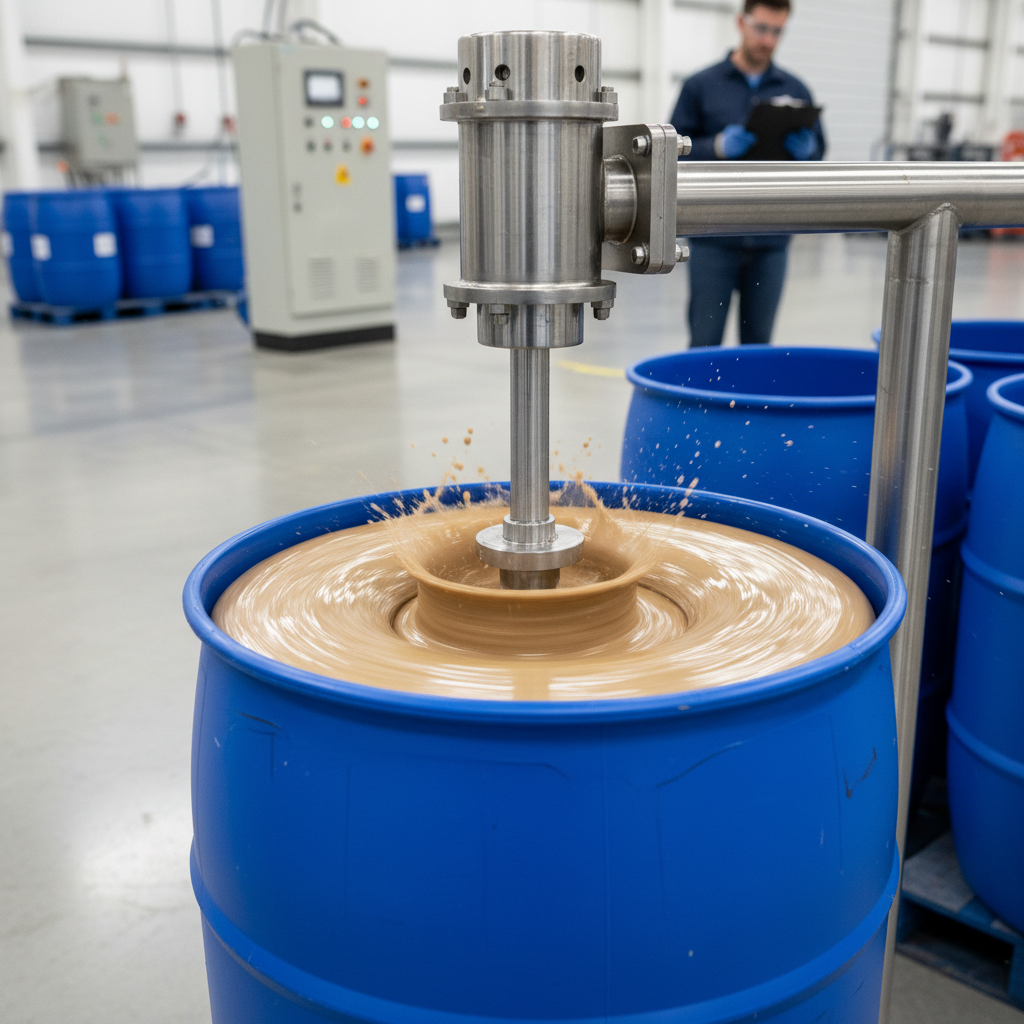
To maximize the performance of a 55 Gallon Drum Stirrer, understanding the dynamics of fluid movement and the properties of the materials being mixed is essential. Not only does the right stirrer facilitate a smooth mixing process, but it also helps reduce
energy consumption and minimize operational downtime. By implementing best practices in mixing and choosing the most suitable stirrer, businesses can improve their production processes and achieve
better outcomes, paving the way for enhanced productivity.
In this article, we will explore key tips and techniques for using a 55 Gallon Drum Stirrer effectively. By drawing on expert insights and practical strategies, we aim to provide valuable guidance that will enable businesses to elevate their mixing processes and ensure optimal efficiency.
Best Practices for Choosing the Right 55 Gallon Drum Stirrer for Your Needs
When selecting the ideal stirrer for a 55-gallon drum, it’s essential to consider the specific properties of the materials you'll be mixing. Different materials require different mixing techniques; for instance, thicker substances may need a more robust stirrer with a high-torque motor. Also, understanding the viscosity of your liquid will help in choosing a stirrer that ensures thorough mixing without overworking the equipment.
Another crucial aspect is the design of the stirrer blades. Various shapes and sizes affect how effectively a stirrer can create currents within the drum. Flat blades are excellent for blending, while helical designs can be suitable for suspending solids. Additionally, adjustable speed settings provide versatility in mixing—allowing users to control the intensity based on the task at hand.
Ultimately, choosing the right stirrer will enhance efficiency, improve product consistency, and save time during the mixing process, leading to better overall outcomes.
Key Factors Affecting Mixing Efficiency in 55 Gallon Drums
When it comes to achieving optimal mixing in 55-gallon drums, several key factors influence the efficiency of the process. According to a report by the Mixing Technologies Institute, the shape and size of the drum can significantly affect the flow dynamics and the mixing homogeneity. A standard 55-gallon drum typically has a circular cross-section that encourages the development of vortices, which can enhance mixing but also lead to dead zones if not adequately addressed.
One practical tip to improve mixing efficiency is to select the right stirrer type. For instance, helical or turbine stirrers can provide better axial flow, reducing the energy required for uniform mixing. Additionally, maintaining appropriate stirrer speeds is essential; studies show that optimal speed ranges can vary significantly depending on the material being mixed. Keep in mind that excessive speeds can lead to increased shear stress, potentially damaging sensitive components within the mix.
Another important factor is the temperature of the materials being mixed. Higher temperatures often reduce viscosity, which facilitates improved mixing. Data from an industry study indicate that adjusting the material temperature can enhance mixing efficiency by up to 30%. Therefore, evaluating these factors can lead to more effective and efficient mixing processes in your 55-gallon applications.
Common Misconceptions About Drum Stirring Techniques and Their Impacts
When it comes to stirring materials in a 55-gallon drum, there are several misconceptions that can lead to inefficient mixing. One common belief is that simply inserting a stirrer into the drum at a fast speed will yield the best results. However, this approach often creates turbulence rather than a uniform mixture. Instead, it's crucial to understand the proper techniques that facilitate effective mixing without overwhelming the contents.
Tip 1: Start with a lower speed to gradually incorporate the materials, which helps avoid splashing and ensures a well-blended mixture. Gradually increase the stirrer speed as needed, paying attention to how the materials respond.
Another misconception is that larger stirrers are always better. While size can affect the mixing process, the configuration and placement of the stirrer inside the drum are equally important. A well-designed stirrer that fits the drum’s dimensions can enhance efficiency considerably.
Tip 2: Position your stirrer off-center to create a swirling motion that promotes even mixing and prevents dead zones where materials can settle. By acknowledging these misconceptions and applying targeted tips, you can optimize your mixing process and achieve better results with your 55-gallon drum.
Analyzing the Role of Stirrer Speed and Design on Material Homogeneity
The efficiency of mixing materials in a 55-gallon drum is heavily influenced by the stirrer's speed and design. Research indicates that optimal stirring speeds generally range from 200 to 600 RPM, depending on the viscosity and density of the substances being mixed. For instance, a study by the American Institute of Chemical Engineers highlights that achieving a homogeneous mixture often requires maintaining a shear rate that is sufficient to break down particle agglomerates and minimize settling. Stirring systems that operate below this threshold can lead to uneven mixtures, resulting in inefficiencies or suboptimal product quality.
In addition to speed, the design of the stirrer itself plays a crucial role in material homogeneity. Impeller designs, such as high-shear mixers or propeller-type stirrers, can significantly improve mixing outcomes by generating turbulent flow patterns that enhance radial and axial mixing. According to the Journal of Mixing Technology, specific designs that promote vortex formation can improve the mixing index by as much as 30%. When selecting a stirrer, it’s vital to consider the specific properties of the materials involved to ensure the design aligns with desired mixing outcomes, thereby ensuring optimal performance and material consistency.
Assessment of Energy Consumption and Operational Costs in Drum Mixing Systems
When evaluating the energy consumption and operational costs associated with drum mixing systems, it is essential to consider the balance between efficiency and effectiveness. The energy required for mixing can significantly impact overall operational expenses. Using a 55-gallon drum stirrer, it is crucial to optimize the mixing process to minimize energy usage while still achieving the desired product homogeneity. Factors such as stirring speed, duration, and the design of the stirrer all play a critical role in determining energy consumption levels. A well-designed stirrer can reduce the time and power required for effective mixing, leading to lower energy costs.
Operational costs also encompass maintenance, labor, and potential downtime associated with inefficient mixing practices. Regular assessments of the mixing system's performance can help identify areas where improvements can be made. Implementing modern technology, such as variable frequency drives, can allow for more precise control of stirring speeds, further improving energy efficiency. Additionally, training staff on best practices for operating drum stirrers can lead to significant cost savings by ensuring optimal mixing conditions and reducing wasted resources. By focusing on these factors, businesses can enhance their mixing operations while keeping energy consumption and costs in check.
55 Gallon Drum Stirrer Tips for Optimal Mixing and Efficiency
This chart illustrates the energy consumption and operational costs associated with different stirrer setups used in 55-gallon drum mixing systems. The data reflects the average energy usage (in kWh) and operational costs (in USD) per hour for various stirrer types.