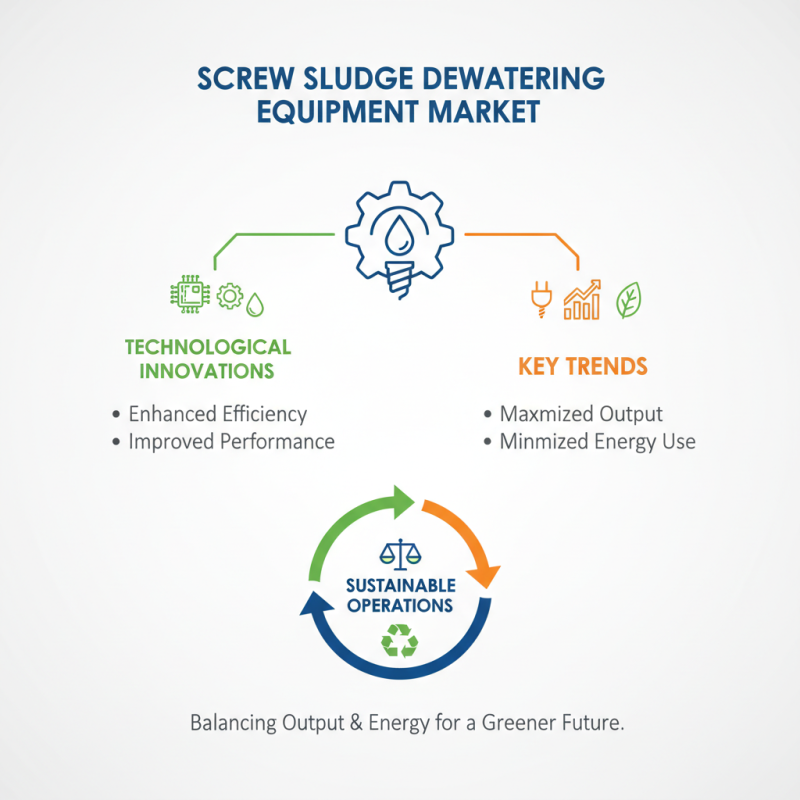
2026 Top Trends in Screw Sludge Dewatering Machines What to Expect?
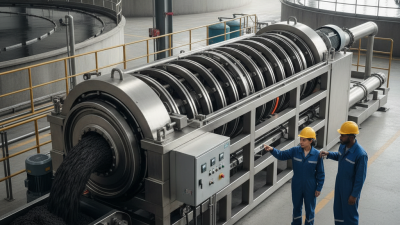
The landscape of wastewater management is evolving rapidly, and the role of the Screw Sludge Dewatering Machine is becoming more significant. According to a recent report by the Global Water Management Association, the demand for efficient sludge dewatering solutions is projected to increase by 15% annually through 2026. This growing trend indicates an urgent need for innovative technology in waste treatment processes.
Expert Dr. Emily Ross, a leading authority in sludge management, emphasizes the importance of advancements in this area. She states, "The future of waste treatment hinges on optimizing screw sludge dewatering technology." This sentiment reflects a broader recognition within the industry that traditional methods may no longer suffice. The challenges of rising urbanization and stricter environmental regulations have intensified the focus on effective dewatering techniques.
However, despite these advancements, several obstacles remain. The technical complexity of Screw Sludge Dewatering Machines can lead to maintenance issues. Many operators still experience inefficiencies or higher operational costs than anticipated. Analyzing user feedback reveals areas needing improvement, emphasizing the balance between innovation and practicality in developing future solutions. Adaptation to these challenges will define the next wave of growth in this vital sector.
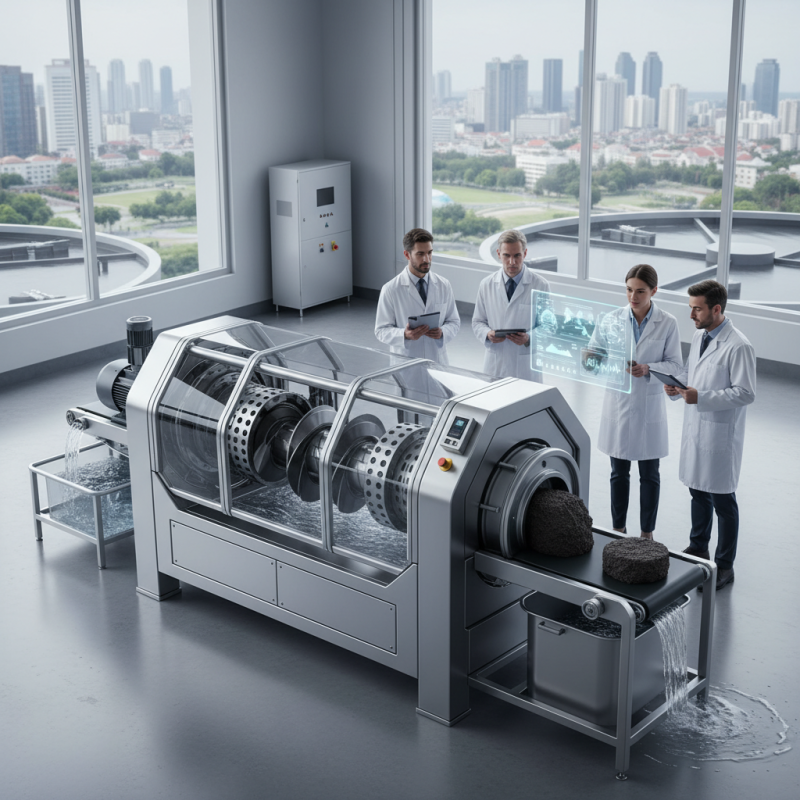
Future Innovations in Screw Sludge Dewatering Technology
The future of screw sludge dewatering technology looks promising. Emerging innovations aim to enhance efficiency and reduce energy consumption. According to a recent industry report by Global Market Insights, the screw press market is projected to grow at a CAGR of 5% from 2023 to 2028. This growth is largely driven by the increasing need for wastewater treatment solutions.
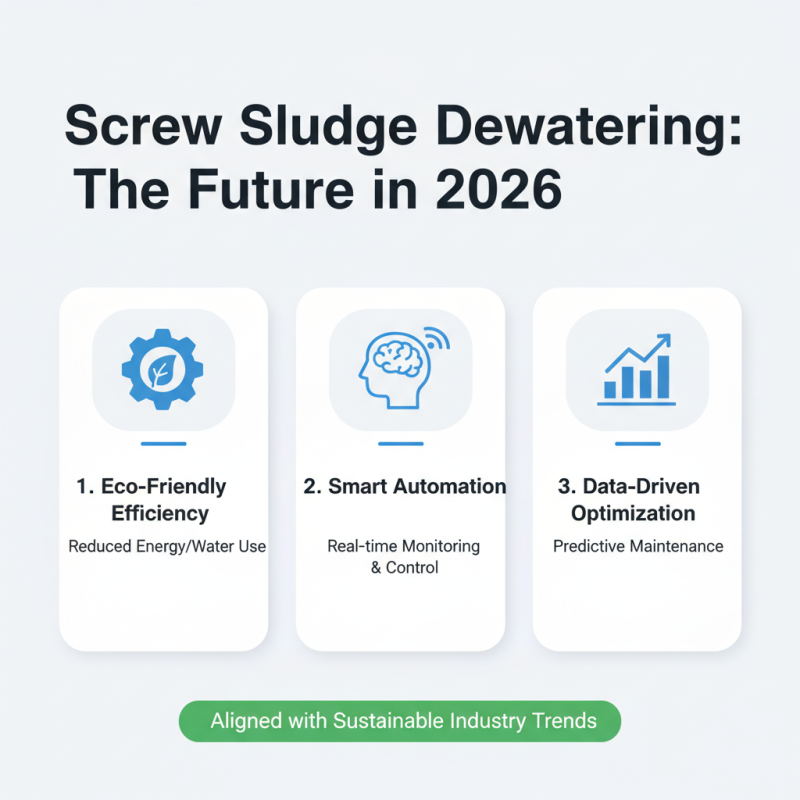
Recent advancements focus on automating the dewatering process. Automation improves precision, which minimizes operational errors. Many facilities still struggle with manual intervention. Inefficiencies can lead to excess costs and lower throughput. New sensor technologies are now available. These can optimize the entire dewatering cycle, adapting to changing sludge characteristics in real-time.
Another trend is the rise of biodegradable materials in sludge treatment. This push aligns with global sustainability goals. However, the integration of these materials into existing systems presents challenges. Not all facilities are ready to embrace these changes. Real-world applications often require significant adjustments. Reflections on operational limitations will be crucial for successful implementation. Efforts are being made, but hurdles remain.
Environmental Impact of Advanced Dewatering Solutions
Advanced dewatering solutions are transforming the approach to managing sludge. Traditional methods often lead to high energy consumption and environmental degradation. In contrast, modern screw sludge dewatering machines enhance efficiency while minimizing ecological footprints. They utilize innovative technology to reduce liquid content in waste, generating less waste and recycling valuable resources.
The environmental impact of these technologies is significant. By lowering energy requirements, they can lead to decreased greenhouse gas emissions. However, not all systems are equally effective. Some still rely on outdated practices that negate potential gains. The challenge lies in properly implementing these advanced solutions to maximize their benefits. Wastewater treatment facilities must examine their processes critically to ensure sustainability.
Moreover, public awareness is crucial. As communities grow more environmentally conscious, they demand better waste management practices. Facilities need to communicate their efforts transparently. This builds trust and encourages innovation. There’s a way forward, but it requires diligence, investment, and a commitment to lasting change. The journey is long, but the potential rewards are immense.
2026 Top Trends in Screw Sludge Dewatering Machines
This chart illustrates the top trends in screw sludge dewatering machines for the year 2026, showing their expected popularity percentages in relation to environmental impact and technological advancement.
Challenges and Solutions in Screw Sludge Dewatering Processes
The screw sludge dewatering process faces numerous challenges that affect efficiency. One major concern is the unpredictable nature of sludge composition. Different wastewater sources provide varying levels of solids and contaminants. This variation can complicate the dewatering process. Operators may struggle to maintain optimal performance without consistent feed quality.
Another challenge lies in equipment wear and tear. The harsh conditions within dewatering machines can lead to mechanical failures over time. Regular maintenance often becomes a necessity, yet downtime for repairs can reduce overall processing efficiency. Operators need to balance cost and reliability while considering these factors.
Innovative solutions are emerging to address these issues. Enhanced monitoring technologies can provide real-time data on sludge characteristics. This allows for better adjustments in the dewatering process. Additionally, advancements in material science may yield more durable components for machines. However, the industry must remain vigilant. Adapting to new challenges in sludge properties will require continuous learning and innovation.