Leave Your Message
A Birdbath Aerator can keep water moving, discourage a surface from becoming stagnant, and add a soft ripple that catches the light. But the best choice is not always the strongest one. A small basin can splash onto nearby paving, while a quiet garden may make even a modest pump sound noticeable. Before comparing models, consider your bath’s depth, power access, cleaning routine, and the birds that visit.
This guide compares aerators by practical details: water movement, noise, installation, energy use, and upkeep. Look for stable placement, weather-appropriate construction, and clear cleaning instructions. A fountain-style unit may create an attractive plume, but it can lose water to splashing. A bubbler may be gentler, though its effect depends on basin size and pump strength. Small differences matter.
One sourcing note: no articles or verifiable expert quotation were provided, so I can’t responsibly invent a specialist’s name or attribute words to one. A useful buying principle is: “Choose controlled movement, not maximum spray.” Treat it as editorial guidance, not a quotation. The comparisons ahead aim to help you match an aerator to your actual birdbath, rather than chase features you may not need. Even a well-reviewed model can disappoint if it is too loud, awkward to clean, or poorly suited to the basin. That trade-off deserves a closer look.

A birdbath aerator is a compact pump or air device that creates bubbles or gentle circulation in a basin. Unlike a decorative fountain, many aerators move water without sending a high spray over the rim. The pump draws water through an intake, then releases it as bubbles or a low ripple. Small, steady ripples help.
Moving water can make a birdbath easier for birds to notice. It may also reduce surface stagnation, but it does not replace regular cleaning. In freezing weather, an aerator alone may not keep water open. A separate heater may be needed. Check the pump’s flow against the basin’s depth; strong currents can make shallow bathing less comfortable. The effect varies with wind, shade, and basin shape. A little less flow is often better.
Tips: Keep the intake clear of leaves and grit. Use a suitable outdoor power connection if your model requires electricity. Sun-powered units may slow on cloudy days. Watch the basin for a day; a lively-looking setup may still splash water out.
A birdbath aerator moves air through the water, usually with a small pump and an air stone or diffuser. Rising bubbles agitate and circulate the water. The best setup depends on sunlight, access to an outlet, desired maintenance, and the birdbath’s size. The comparison below describes common aerator types rather than ranking specific products.
| Aerator Type | How It Works | Power Source | Best Suited For | Advantages | Limitations and Care |
|---|---|---|---|---|---|
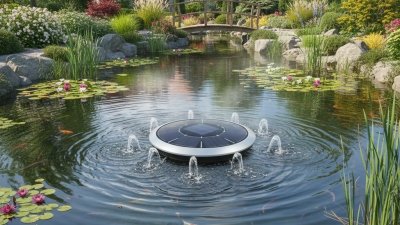
| Solar aerator | A small solar panel powers a pump that sends air through tubing to a diffuser in the bath. | Direct sunlight; some models include a battery for stored energy. | Outdoor baths with a sunny location and no convenient nearby outlet. | No mains power is needed at the bath; installation is often straightforward. | Output can vary with sunlight, shade, and panel placement. Check whether the unit stores energy if operation after sunset is important. |
| Plug-in air-pump aerator | An electric air pump pushes air through a tube and diffuser, producing a steady stream of bubbles. | Outdoor-rated electrical supply; use a ground-fault circuit interrupter (GFCI) where required. | Locations with safe access to outdoor power and a need for more consistent operation. | Operation is less dependent on sunlight; airflow can often be adjusted on models with a control. | Requires safe cable routing and protection from weather as specified by the manufacturer. Keep electrical connections away from standing water. |
| Battery-powered aerator | A battery runs a compact pump that supplies air to a diffuser. | Replaceable or rechargeable batteries, depending on the unit. | Portable setups, temporary use, or baths far from an outlet. | Does not require a permanent electrical connection; easy to relocate. | Runtime depends on battery capacity and pump demand. Batteries need recharging or replacement, and the pump still needs routine cleaning. |
| Small submersible fountain pump | A submerged pump moves water through a nozzle, creating a spray or small fountain rather than injecting air through a diffuser. | Solar, battery, or mains power, depending on the pump. | People who want visible water movement as well as circulation. | Moving water can make a bath more noticeable to birds and can reduce stagnation in some setups. | Spray can lose water through splash or evaporation. Keep the bath shallow and check water level, pump intake, and nozzle for debris. |
| Air pump with airstone | An air pump sends air through a porous stone, which releases many small bubbles into the water. | Solar, battery, or mains-powered pump. | Baths where gentle bubbling and simple water movement are preferred. | The diffuser spreads bubbles through a small area and can be replaced if worn or clogged. | Mineral deposits and debris can restrict airflow. Clean the diffuser and tubing as directed, and position equipment so it does not make the bath difficult for birds to use. |
What to choose: For a sunny site without an outlet, consider a solar unit; for more predictable operation, consider a safely installed plug-in pump; for portability, consider a battery-powered option. An aerator circulates or agitates water, but it does not replace regular cleaning and fresh-water changes, guarantee that water stays unfrozen, or make an unsuitable bath safe. Keep water shallow, provide a stable foothold, and follow the equipment maker’s installation and electrical-safety instructions.